Re-reading Franco “Bifo” Berardi’s ‘cognitarian subjectivation’ 13 years later.

Around the time of all the stuff kicking off in 2011, the student protests, the English Riots and the Occupy movement, a friend, noticing that I was projecting slightly more nervous energy than usual, suggested an article by a writer I’d never heard of.

I’d only started reading in my mid 20s. After the financial crash of 2008 I’d learnt to meticulously study the words on a page, because I wanted to know, in my own words, “what the hell was going on”. Because I worked in a gallery, with no Wifi, little reception, little interruption, and with more panic about the state of the world than the state of my professional and personal life, I had a good chance to do what I intended.

I still found most philosophy texts impenetrable, and just hoped the ‘message’ inside would come to me at a later date. I was still reading cultural theory with a limited understanding of the English language, and when my friend, over Facebook, suggested I read “Cognitarian Subjectivation” by Franco “Bifo” Berardi I read it for the most part with the desire to show him that I understood it and was as intelligent as he was.

This is how it goes:

Recent years have witnessed a new techno-social framework of contemporary subjectivation. And I would like to ask whether a process of autonomous, collective self-definition is possible in the present age. The concept of “general intellect” associated with Italian post-operaist thought in the 1990s (Paolo Virno, Maurizio Lazzarato, Christian Marazzi) emphasizes the interaction between labor and language: social labor is the endless recombination of myriad fragments producing, elaborating, distributing, and decoding signs and informational units of all kinds. Every semiotic segment produced by the information worker must meet and match innumerable other semiotic segments in order to form the combinatory frame of the info-commodity, semiocapital.

Semiocapital puts neuro-psychic energies to work, submitting them to mechanistic speed, compelling cognitive activity to follow the rhythm of networked productivity. As a result, the emotional sphere linked with cognition is stressed to its limit. Cyberspace overloads cybertime, because cyberspace is an unbounded sphere whose speed can accelerate without limits, while cybertime (the organic time of attention, memory, imagination) cannot be sped up beyond a certain point—or it cracks. And it actually is cracking, collapsing under the stress of hyper-productivity. An epidemic of panic and depression is now spreading throughout the circuits of the social brain. The current crisis in the global economy has much to do with this nervous breakdown. Marx spoke of overproduction, meaning the excess of available goods that could not be absorbed by the social market. But today it is the social brain that is assaulted by an overwhelming supply of attention-demanding goods. The social factory has become the factory of unhappiness: the assembly line of networked production is directly exploiting the emotional energy of the cognitive class.

You didn’t need to be present at Occupy London, see the fires burning in Tottenham, or be kettled by police with other Millennials to be present in 2011. We were all there in 2011: we were all online, perhaps for the first time.

The febrile quality of social media interaction in the early days of the previous decade was an initial, less monitored and managed, manifestation of what it is now.

We can read the previous passage by Berardi in the way we may look at the results of our own medical examination, or x-ray. We may not know, or understand every specific word for everything we can see, but we know what we are shown, because we know that what we are presented with is ourselves.

Reading it in 2024, we may find ourselves saying that anxiety, depression, paranoia, ADHD and burnout are “just part of life now”,

When our “neuro-physical energies are tethered to a mechanistic speed, our relationship to the capital machine is deeply more involved in our every breath more than the mill workers, and ship builders of the 19th century could ever imagine.

Reading this in 2024 makes me nostalgic for 2011, which even with everything going off, seemed like a less panicky time, a time when breathing was easier.

I could go on, but I think it’s unnecessary. I rarely like the sound of my own words upon the those written by others. I just wanted to highlight this essay for what I believe is it significance more than ever.
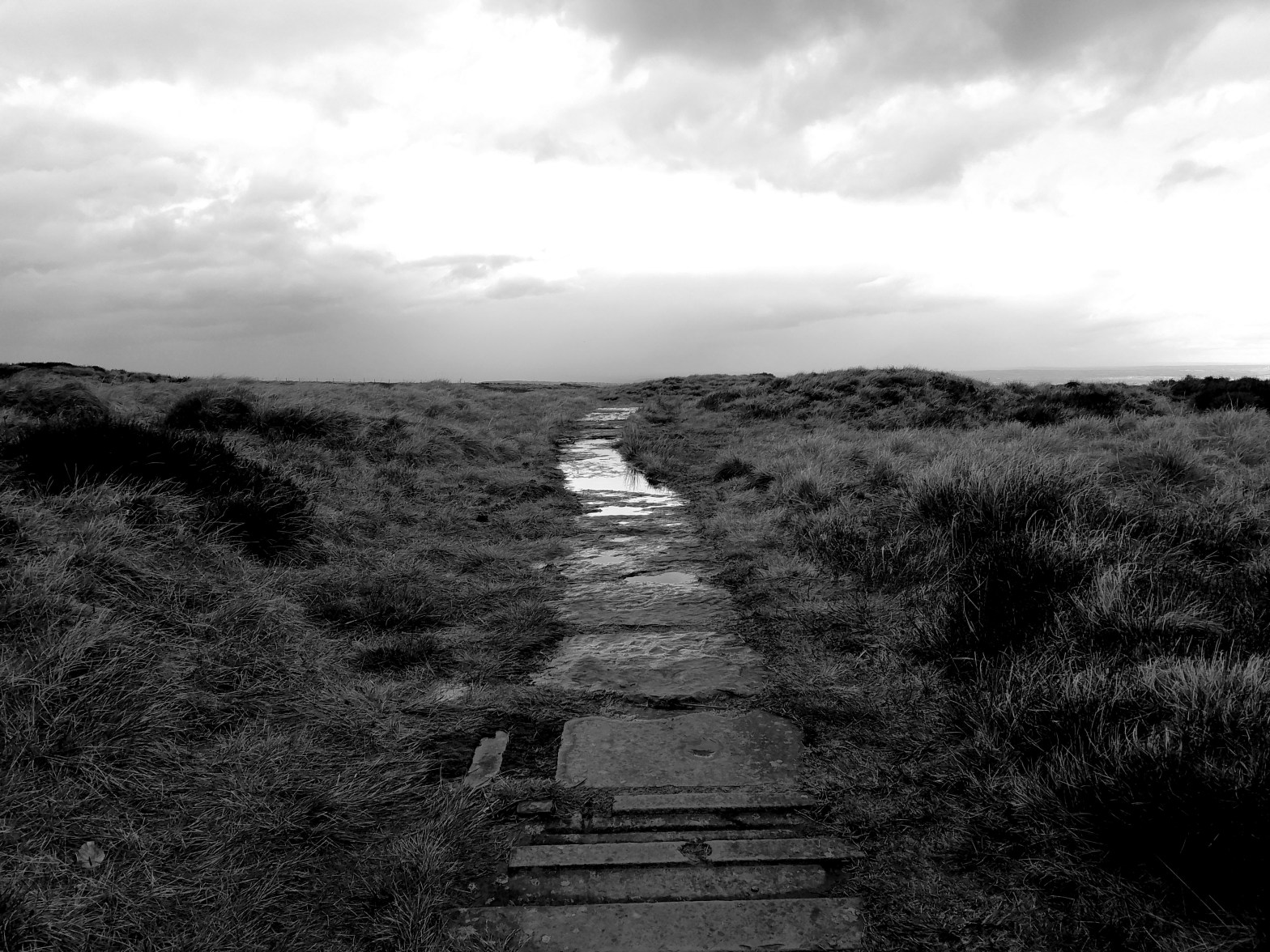
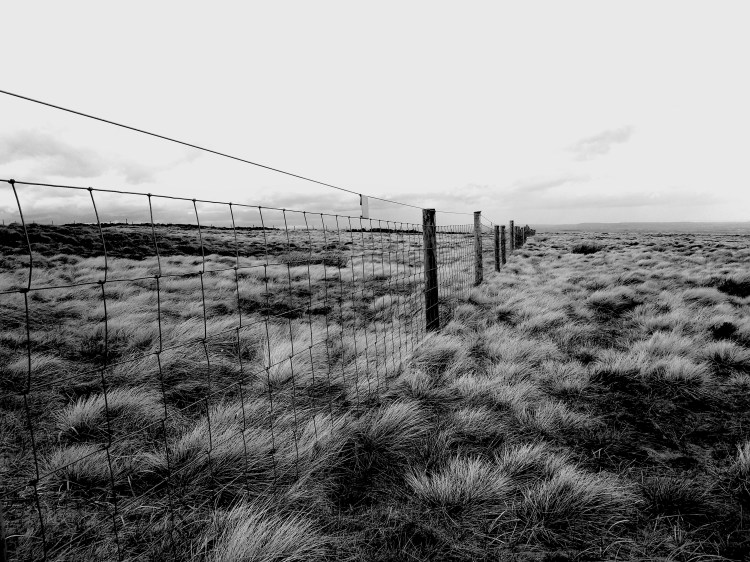
The ascent (Black Hill)

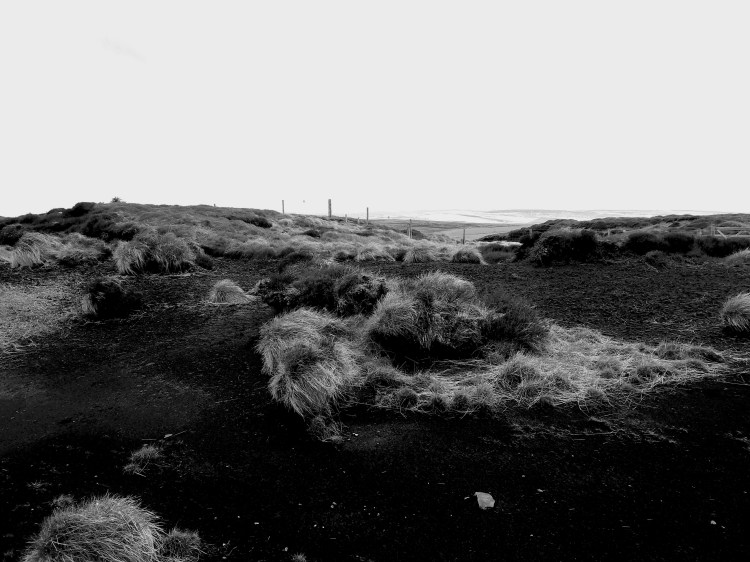
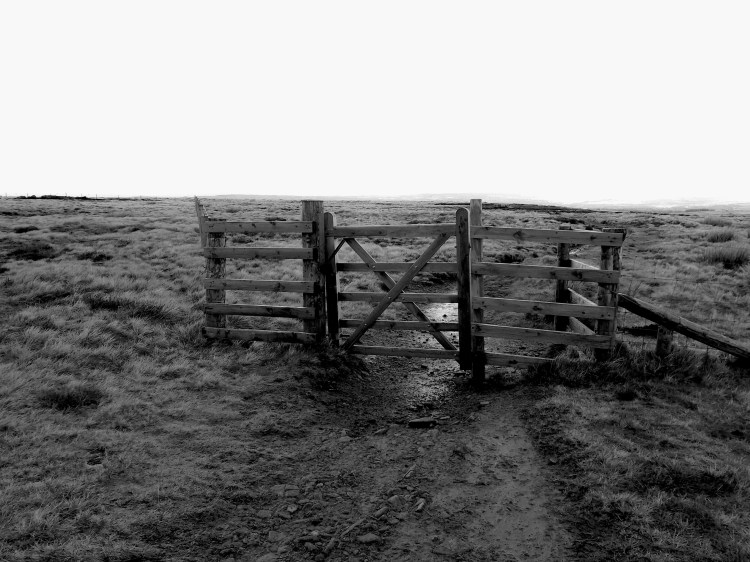
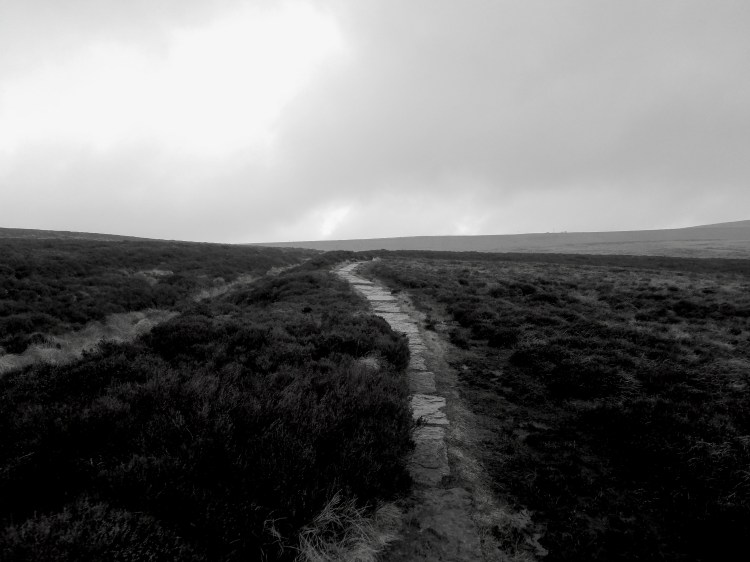
Where do you go when the direction, momentum, you indirectly, but nonetheless wholeheartedly placed your future state of being within, dissolves into thin air, and you see nothing in front of you? You go sideways. Westwards. Up here…scouring for answers.

The moors are plural. One moor is every moor.

But the Moors is a state of being that is singular. Everything, every doing, every trauma is folded into one form, and laid flat out, without judgement, retribution or recourse – just like the rocks strewn around up here over millennia.

The ascent itself is only thus if you can see that which you are ascending from.

The ascent is a meditation that looks back down on the place below that you can never be within, yet must be. but can’t be, but must be(!). The ascent beckons us to voluntarily relieve ourselves of the duty of all living flesh: to show up. Instead it invites us to play dead, to play at being the outcast that one day may be irredeemably forced upon us.

Any other climb is merely a pursuit, a thrill, more Youtube content; it doesn’t involve the deep desire to unzip oneself from a political body that one must posture and be ventriloquised for, and keeping smiling for as if it was their own smile.

Walking 100 metres west from Black Hill, away from the vantage over the scattered urbanisation of Yorkshire, the shiny towers of the Manchester skyline can momentarily seem distantly exotic. It’s an optical illusion, but not one without potency.

But it’s the same image, really. The Pennines makes parallels either side of them. Peering over them is like looking at yourself through a fractured mirror.

Both sides are witnessing the retroactive hipsterisation of history; a gentrification of the Northern soul. The collective trauma of endless austerity that cannot be spoken and must remain mute in polite spaces; it is squeezed into the recesses of town centres, into an emaciation we choose not to see, even as it comes for us; bent into a smile that must keep smiling, at every new real ale bar, street food kitchen, and every attempt to turn every run down town into a new tourist hotspot.

As we willingly play along with this nihilism, smiling into the camera as the world burns, the moors wouldn’t look that visibly different even in the wake of a nuclear wipeout. After all, they already cater for all the traumas that cannot be accounted for down there – what’s another one?


But really, what now plays out down there is capitulation with a cuddly facade.

We may speak of inner peace, mindfulness and body positivity, but we are merely smiling casualties of a failed dream of another kind of 21st century.

Maybe it’s too late now. Maybe the ample advice, facts, solutions of the 2010s came too late to change course. Neither the macro, the micro, nor the global or the personal could do the work in the time allocated to it.

Mental health awareness abounds but will not save us.

We only dare speak of ‘good’ mental illness. The safe space to sigh, to subscribe to ‘better help’.

…not the ‘bad and the ugly’ of mental illness, which remains as removed from discourse as when the monsters originally poured out the industrial hell holes below and found their way up here.

Working class identity is now a facade background to the gentrification of the Northern Soul. We bask under a fake authenticity, acting like animatronic museum pieces for which history has stopped. We split ourselves in two in order to play along.

E.P Thompson said ‘the working class was present at its own making”. But it was also present at the formation of its own monsters, either side of these hills. Brady, Sutcliffe, etc.

If the Moors Murders were not an act of mental illness, then nothing is. The ‘bad and ugly’ side of mental illness we dare not speak of until it’s too late. A Frankenstein’s monster, ground down and ground up, out of the grey, anonymous, mute trauma of working class life.

The Moors Murders are so important to the relationship between the moors and its civilised surroundings. The single fact that the victims were buried here is an horrific manifestation of a collective sickness that keeps on beckoning us to all to flee towards them.

Unlike the Derbyshire Dales further south, these hills still can’t easily be framed by a gentrifying gaze – the hold of the horrors upon these hills undoes their capture, and in a sense liberates them. All things can speak their name up here as the increasingly gentrified towns down below turn away from that which came out of them.

Like the moors, accountability is both singular and plural. Always individual and collective.

Who makes the monsters? And why did we look away when we had the answers?

Conversely, by looking away, out of the towns, since 2019, since the pandemic, it has been the only way to look back in at them.


“When we awoke it was spring”

The above line is taken from the film ‘London’ by Patrick Keiller.

Spring means more to me than I realise, if I’m foolish enough to let it slip me by. I see it specifically in the former mining areas of South and West Yorkshire, the rolling fields that still separate the sporadic built-up areas, always feel suggestive of my own renewal, social renewal.

I’ve got a lot that I need to put into Spring this year, a pretty hopeless few years and some deeply regrettable moments of self-destruction and self-sabotage, that I seek some resolve and closure on, moving on.

I took this photograph in very early May 2015, walking through Crofton, Wakefield, with my friend Michael Hill. It was the eve of the 2015 general election, a Thursday eve – the time of the optimist (if you ask me) before the realisation of the limitations of the weekend are upon us.

Perhaps things didn’t turn out how we desired that evening, but it sparked new possibilities, both personally and politically. And that’s always there, even after years without hope, a new spring.

Historicide/”Who made the monster?”

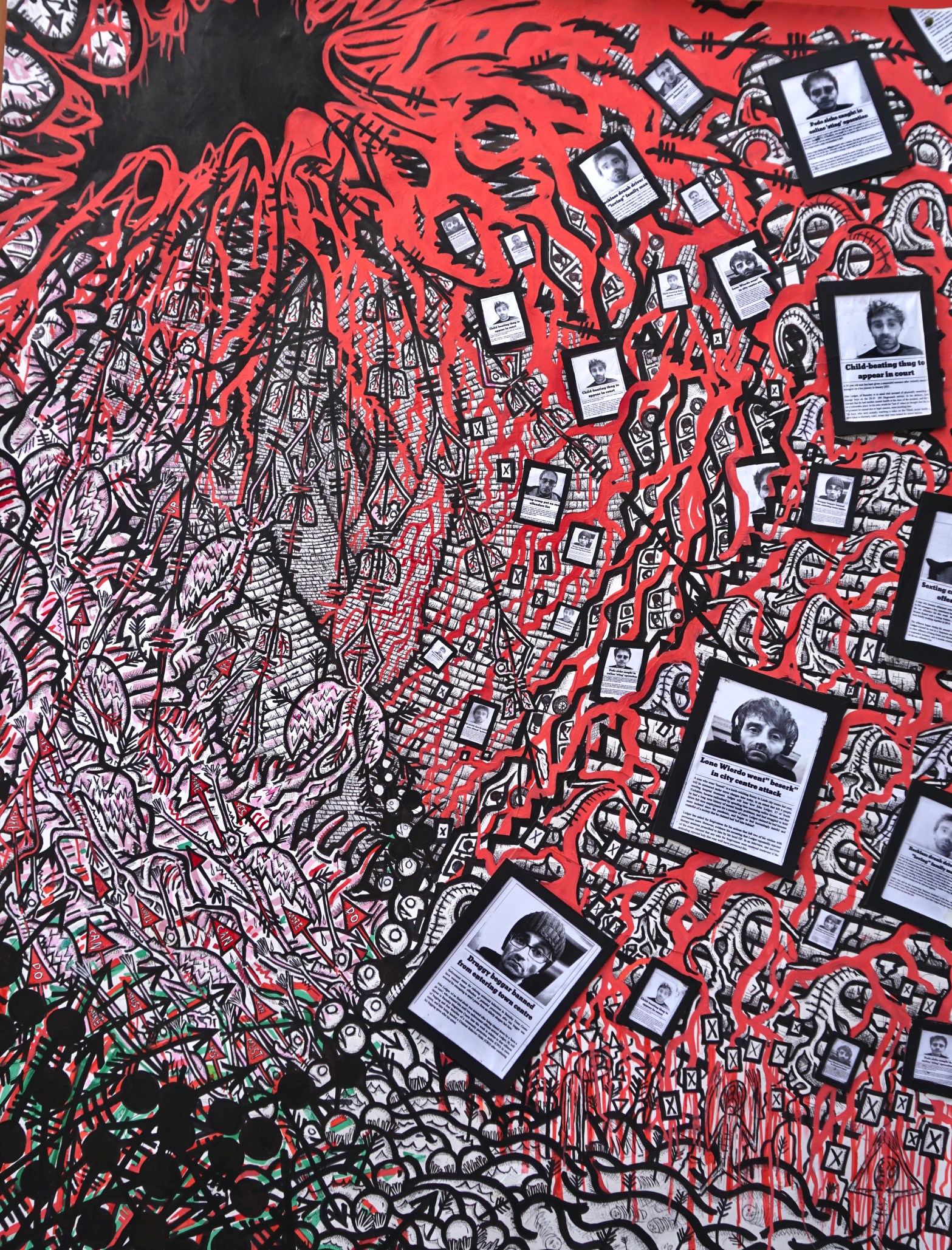
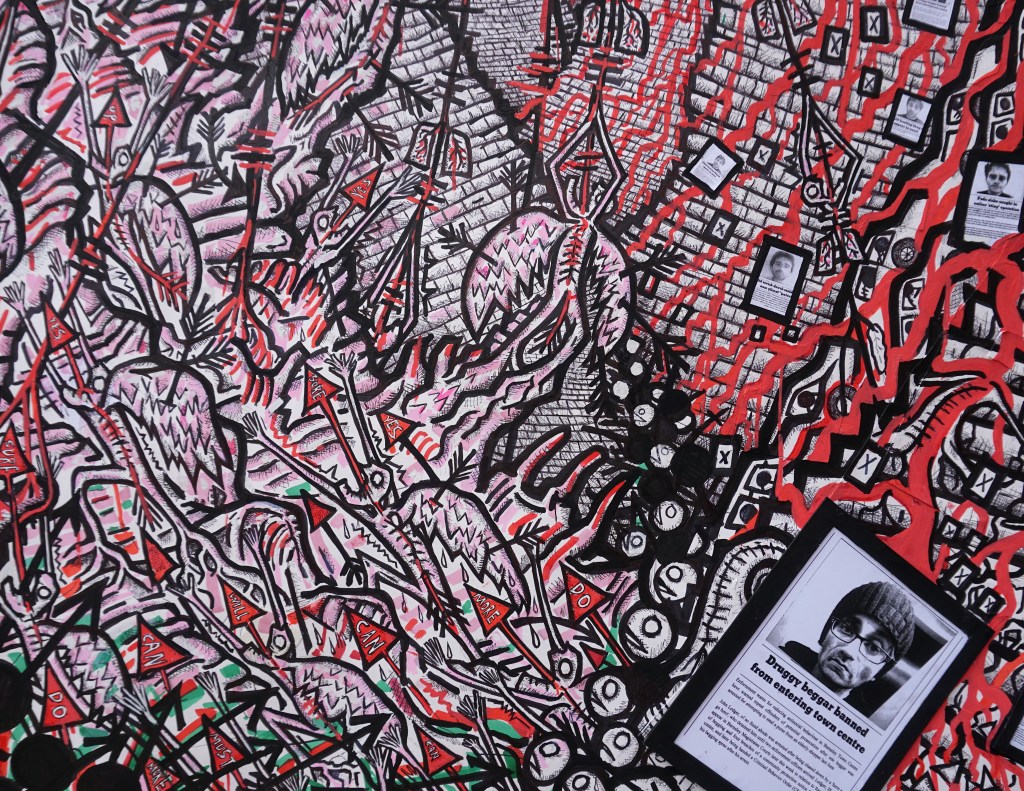
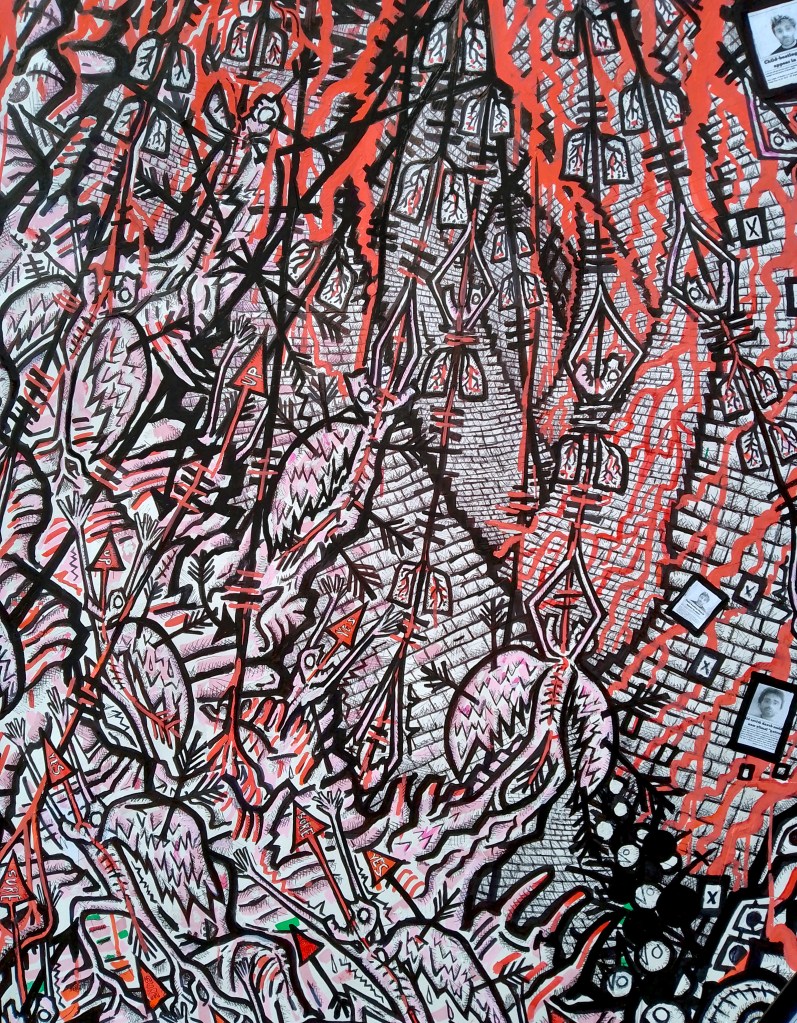
I admit this new drawing isn’t a cause for personal celebration. It’s a completion of a series of works spanning the last few years, that I wish to see the end of now, begging for a closure of a wound through which the works have spoken.

I once thought this was just self-dislike, but it’s much more; it’s a kind of self-monsterising, that I have had from at least my late teens. I have internalised not only assertions that I am insufficient for the world I must act in, but that I’m also going to do something horrible one day, humiliate and discredit myself in front of an unforgiving crowd. The sad fact is that on the level of self-humiliation and self-destruction this self-demonising has achieved its aims over the last few years.

There’s often the urge to get there before ‘they’ get there. But that urge has been created by the self-monsterisers, the inner ‘they’, who say they will protect me from the external ‘they’. But it’s the inner ‘they’ who have already convinced me to behave in ways that will ‘ruin myself’. My inner enemies are often far louder than any supportive or level-headed voice. They convince me that all the horrible presentations of criminals we see in newspapers are coming for me too. 

I have all too often been able to see through the perpetrators eyes more than the victim (s). What I have found is my inability to separate inner and outer, and to find a distinction between autonomy and being a meat puppet to external influences that will do what they will with me.

I often don’t feel I have control. And I fear the future, because I do not know how to find peace, and outrunning inner demons gets harder by the year.

The necessary arrogance in light of this was to think I could burn the oil so intensely that I could slip out of the system, be airlifted out of the ‘austericide’, and be safe from the fate awaiting a lowly man of little self-worth.

I have felt that I have had no choice but to ‘plough my own furrow’ with the art, even as life has passed me by, even as my ability to do this has got so hard and so unpleasant that my work has become incapable of anything but an introspection of this private unpleasantness.

The worst thing one can do is strive when they know they can’t do it anymore. When they keep on doing it because they feel that have no option, trying to pretend each time that there will be no more future articulations of the collateral damage further down the line.

Over the last few years it’s felt like the oxygen can’t get into my lungs fast and thick enough.

There is the truth that I’ve internalised some very unpleasant ideas about who I am, but there’s also an abstract structure of feeling, where life is collectively becoming more brutal – the internal and external diseases combining forces.

‘Historicide’ is the triumph of trauma as the collective understanding of reality through which a society reproduces itself, in the wake of what felt like viral blossoming of something different, almost Millenarian in its nature. It flopped into the mud under the murder of social progress, which has been cut down at the every chance; a reproduction of Victorian-style horrors for the many, and scapegoating for a convenient number of that majority, as their slow suffocation manifests into madness.

Brutal life is the option for the new allegiance of the powerful and reactionary, as we go through both the long unravelling of colonial privileges and capitalism itself. Their austericide sees no means to an end with the demonised ‘chavs’ it went for first.

There is a suffering caused by chasing a quality of life that’s long gone, which was always a dream, a new gold 90s dream of peace and safety. A promise to be released from history, and especially from the return of the horrors of the past. I am haunted by this dream, I remember a moment aged 9, in 1993, stood on a Cornish beach, where everything felt like it was going to be OK.

I earnestly believed that we were on a verge of a critical mass in the 2010s; the increasingly collective awareness of mental illness, global economic and climate injustice, and an emerging gender fluidity that if anything seemed like a shared willingness to circumvent the physical social barriers holding us in the past. It was naive, but it felt necessary to be scooped to safety by a rescue boat for another kind of 21st century. Life has felt unmanageably heavy since the pandemic, since the cost of living crisis, since Ukraine and Gaza, since the failure of this naive rush towards a different future proved an impossible dream for a world stuck in its traumas.

In all truth, I’m quite a bit fucked, with no idea how to stop becoming increasingly fucked. I’ve tried to step away from art many times in recent years. In truth, I want peace with myself. But cannot currently find it, as I encounter reality as a brutal thing, that I don’t know how to stop internalising, and letting it become me.

YSP: a requiem for a dream

Yorkshire Sculpture Park: the citizen’s park that never was

The following views are about an insider, albeit of no particular significance to the organisation, who wasn’t disgruntled, but who lamented and mused from the gallery benches over what this place could have been.

I spoke recently to a friend about how travelling by a city metro system feels so much better than bus travel, because the former has the ability to make you feel like a citizen, whereas the latter can often you feel like a pleb trapped in urban serfdom.

It’s like we can understand how we are treat as part of a society by how the design of architecture and infrastructure makes us feel. How things are designed impacts how we have to travel and exist within urban and suburban space – and we may, through emotional response, find ourselves feeling these questions:

Do I feel truly welcomed here?

Do I feel valued?

Do I feel part of something bigger than myself?

I suspect if you silently answered “no” to the last question, you are not alone…although you also are. Herein lies a problem.

Admittedly I dont actually want to talk about cities. I want to talk about the urban in the non-urban. And one place in particular that has had a big impact on a big part of my life. A ‘citizen’s park’ that never was: the Yorkshire Sculpture Park.

Something has been confirmed in the news this week that more or less finalises a sort of long death of a dream. A dream that may have only been held by those who still felt it and thought on it: a dream of social democratic progress, you could say.

But for myself and a few other friends I met whilst working there, its locus became one specific place.

It was announced that an exclusive private members club, which began in 1980s Soho is going to open another venue. This venue will be in the former Bretton hall college campus, which hasn’t been in use since Tony Blair was Prime Minister. Although not owned by the Yorkshire Sculpture Park, it is in the core of the landscape and is inseparable from it.

I started working at ‘YSP’ as a gallery attendant aged 23. This was just 3 months after the university campus on these grounds had been closed by the University of Leeds. I initially found a very laid back, relaxed place, only interrupted by the countless amount of visitors wanting to see the Andy Goldsworthy exhibition.

Once the Goldsworthy show had gone, I found myself in a situation that I still mourn as it could never occur again. I was naive, but bursting with creative ambition, and utilising a unique but unintended opportunity to literally get paid whilst sat reading books, and developing my creative ideas, inside an artistic environment (where I probably got more of a university education than I got doing a Bachelors in arts degree in my home town) I began to form a strong bond with a place that was still only technically 3 miles from where I grew up.

I could walk to the Sculpture Park in 45 minutes from my home on the outskirts of Barnsley. As the place slowly began take up a pivotal place in a mental map I was slowly building for a post-industrial Yorkshire and its unrealised potentials, the park no longer ended at its official border, and bled into the respective West Yorkshire and South Yorkshire conurbations at either side of it.

Although this may sound ridiculous, a naive fantasist’s thinking within the REAL we exist in, I began to envisage myself within a “municipally owned” landscape: a ‘citizen’s park’ for a somewhat-urbanised population that disjointedly existed either side of this one of many pockets of lush greenery within post-industrial Yorkshire.

But I believe there is good reasons as to why I felt like this.

Working here, where I felt heavily judged for not doing anything ‘proper’, I had enough grey-space time to read about something that I was all around me here, emanating in particular from the derelict architecture of the college campus: ‘lost futures’.

The Yorkshire Sculpture Park began as land laid to waste by the Normans, and was then given to a family called the Dronsfields around the 13 century. Over the late middle ages it became owned by the wealthy Wentworth Family, under which most of the construction of the present day hall and the landscaping of the pleasure park (in the style of Lance Capability Brown) was done in the late 18th century. A rich family who had all the ‘mod con’ features for a rich family in the emerging colonial super power of Great Britain, the estate family name became Beaumont at some point in the 1800s.

However, by the 20th century things were changing, and after being taken over by the War Office during the Second World War, it then became a teacher training and arts college. For the first time this park and many parks like it up and down the land, had a more social democratic feel to them.

The idea for the sculpture park was conceived inside the house (Bretton Hall) which was now surrounded by Post-War architecture for student residence and facilities.

Peter Murray, who was teaching art at the campus, thought up the idea for a ‘European style sculpture park’ in 1977 whilst the dreams of post-war social democracy were still yet to be ultimately defeated by Thatcherism.

Murray wanted it to be a park for Modern sculpture, and with two of the leading 20th century sculptors coming from the region (Barbara Hepworth and Henry Moore) it must have felt like the ideal place to build, what I believe was at heart, a Modernist Dream.

Murray envisaged “a gallery without walls”. And only those who stubbornly refuse to extrapolate this beyond the literal idea of a building, can deny that this was an ambitious iteration of the earlier 20th century Modernist impulse to make art a part of everyday life for everybody: the Yorkshire Sculpture Park was born.

By the early 2000s, in a time of much more generous funding towards the arts by a government trying to build a ‘culture industry’ and with funding coming to areas in former coalfields from the EU, YSP became the giant arts venue that it is today.

In 2024, I think it’s fair to say that the sculpture park has not become what was perhaps initially envisaged.

But I think this is because that it was envisaged within a world which is no longer.

….it’s a question of what happens when a dream that becomes reality suddenly finds that reality has altered around that dream.

The Modernist Dreams, and the Social Democratic dreams weren’t identical, but were very compatible, and were thus both already fading into a sealed-off yesterday as Thatcherism and it’s war on the idea of society succeeded by the late 80s. But the YSP continued to grow in a different kind of reality.

By the time of Tory cuts, the YSP was ‘too big to fail’ as staff would often say. But after over 10 years cuts to public funding its founding ethos has been forced to bend beyond recognition. However, during the Pandemic restrictions to the park no longer allowed just anyone to walk into the land, and a flat charge to enter place has remained in place since.

The news about the opening of a ‘Groucho club’ which was set up and frequented by a more ‘arty’ crowd than the image of a ‘private members club’ may give you, might sound exciting to many. And I’m not here to argue against that. But all I see, to use a term used by Mark Fisher and Laura Grace Ford (sorry, can’t recall which one came up with it), is ‘Restoration Capitalism’, the return of what was once promised as accessible to everybody now returned to the property owning class.

As I’ve said, the ‘New Ruins’ of Bretton Hall Campus, were not officially part of the sculpture park. But they are undeniably at the heart of this landscape. They are the centre from which the overall ethos seems to emanate. Whilst it remained recent ruins, the park was haunted by the residue of a post war dream. You could detect traces of something other to a current world in which the purpose of art for everybody is all too often and so easily bastardised into a form of ‘artwashing’ for private endeavours.

This is no fault of the park itself; a vision born into a reality where it was forced to bend into something else in order to survive. And in one sense there is nothing wrong with what the sculpture park has become.

It’s true that engagement with art has never been greater; and the contemporary emphasis on public engagement has only good educative intentions.

And as much as I’d enjoy moaning about the survivalist tactics for arts and culture generating some of the most absurd and annoying situations (we once had to stop a wedding photographer taking a photo of the bride and groom drinking champagne next to an exhibition about a starving child in the South Sudanese famine) I know that it’s just venting over a more justifiable case: the longing for a citizen’s park.

Digging Deep – 40 years on since the Miners’ Strike’

Next Saturday I’ll be exhibiting new, old and re-imagined work for the exhibition ‘Digging Deep – 40 years on since the Miners Strike’, which will be held at @artbombuk , Unitarian, 60 Hallgate, Doncaster.

Opening event, Saturday 2nd March 1 – 6 PM, exhibition till 21st April 2024.

Art, Conversation, Music, Film.

A special event and exhibition commemorating the importance of the miner’s efforts and the strike of 1984.

Documenting community cohesion in Doncaster around the strike along with support for the miners from the cultural sector, what can be learned from those involved, in protecting contemporary rights and dignity? 40 years on since wholesale destruction of an industry and interdependent communities how can those experiences help build resilience and look to a better, future Doncaster ?

Art Opening in Shop: Ed Milliband MP and Sally Jameson

Intro/Welcome: Anne-Louise and Mike Stubbs

On the Sofa: Chris Kitchen & Jeffrey Lovell, Sheena Moore and Brenda Nixon, Mick Langhan

Sing-a-long miners songs with Rachel Horne

Music & Words, Jakno, Smizz, Sarah Wimbush, Ian Parks, GSD

DGLAM museums workshop “Handle history! Come along and see some objects from Doncaster Museum, related to the miners’ strike”.

Thank Yous: Rev Tom & Rosie Winterton MP

Film show: Pride + 80’s style food served

Exhibition Artists in ArtBomb Shop: John Ledger, Moira Lovell, Les Monaghan, Andrew Conroy, Katrine Barber & Documentary material: Miners banner, Danielle Ganley, The Miners Campaign Tapes, Miners Benefit Poster, other ephemera.

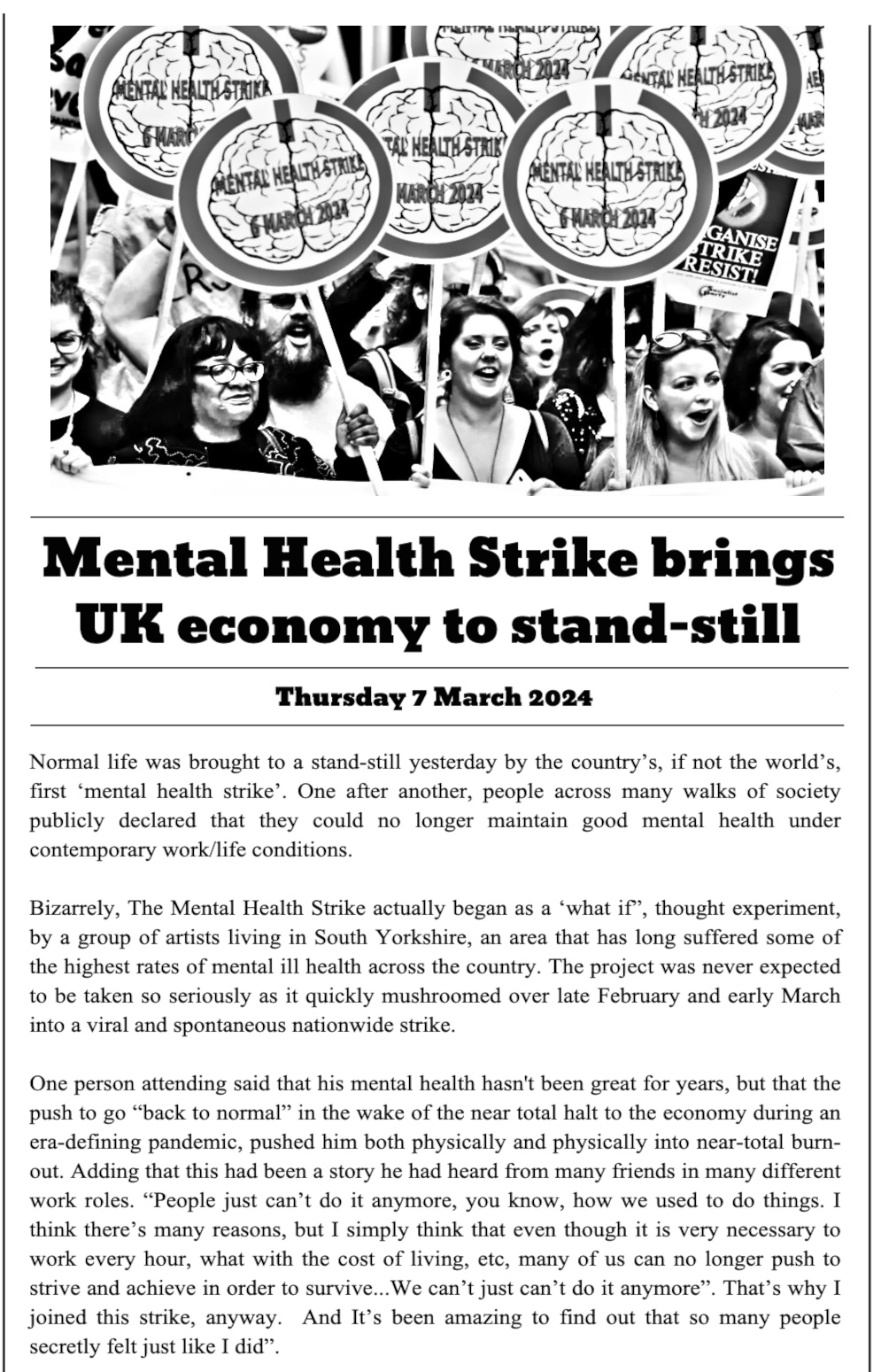
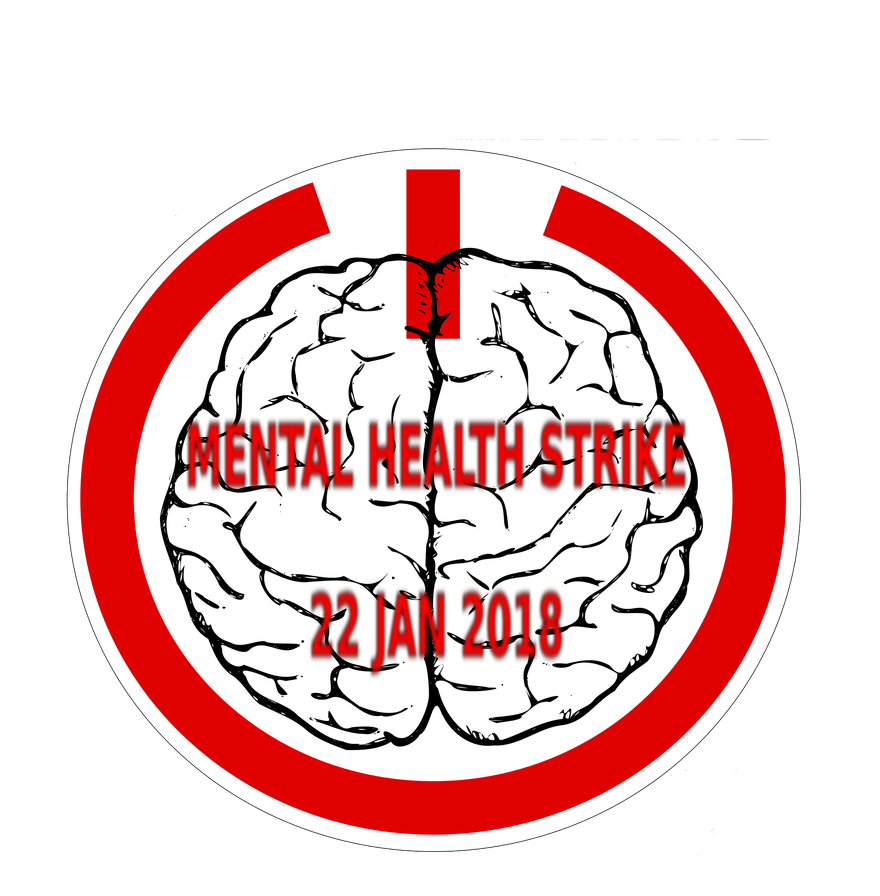
The Mental Health Strike ’24

On 6 March 2024 the world’s first Mental Health Strike brought normal life to a near-total stand-still.

One after another, people from many walks of life bridged the deep social divides, by publicly declaring that they could no longer maintain good mental health under contemporary work/life conditions.

The Mental Health Strike initially began as a ‘what if’ thought experiment by the artist-led collective ‘The Retro Bar at the end of this universe’. Their rallying callout ‘M.H.S Sunscreen’, was based on the 1999 hit spoken word track ‘Everyone’s got to wear sunscreen’. Unlike 1999, the future can no longer be sold to us. However, M.H.S Sunscreen begs us to believe that a better tomorrow is still possible, and that its revolutionary potential resides in great advances made in Mental Health Awareness. M.H.S Sunscreen ‘24 re-imagines ‘(Everybody’s Free to Wear) Sunscreen’ as ‘therapy’ based around collective care; therapy for a world trying to get out of free-fall.

One person partaking in the strike said that his mental health hasn’t been great for years, but that the push to go “back to normal” in the wake of the near-total halt to the economy during an era-defining pandemic, pushed him both physically and physically into near-total burn-out. He added that this had been a story he had heard from many friends in many different work roles.

“People just can’t do it anymore, you know, how we used to do things. I think there’s many reasons, but I simply think that even though it is very necessary to work every hour, what with the cost of living, etc, many of us can no longer push to strive and achieve in order to survive…We can’t just can’t do it anymore!”.

“That’s why I joined this strike, anyway. And It’s been amazing to find out that so many people secretly felt just like I did”.

Looking back 6 years

The mental health strike. A strike that I posited happened in an alternate reality in late January (the week always desrcibed as the most depressing) in 2018.

We do live in a very different reality now, though. A very unexpected one, still confused and defined by a vague sense of dislocation, after a pandemic nobody could have forseen back then. The geopolitical and national political climate seem far worse, partly due to confusion and dislocation within which they operate.

The Mental Health Strike was a ‘what if’ event – just a small project for an interim show as a mature Ma student in Leeds.

What if there was a collective consensus that contemporary reality, in all the variable life positions one may find themselves in, was becoming totally incompatible with living mentally well? Well, this was the seed, the interstition I was playfully trying to plant.

The installation I created was centred around The audio piece ‘M.H.S Sunscreen ’18’, which I created with friend, fellow-artist-led collective member, and music composer Ben Parker.

It was thematically based on Baz Lurhmann’s unexpected 1999 pop song hit ‘Everybody’s got to wear sunscreen’, which hit a nerve, perhaps because it presciently spotted something that would the so defining of the imminent next century, the rise of mental ill-health, emotional distress as a great social problem.

Because it wasn’t a big project I neglect to see it as one of the best projects I’ve worked on. Not only that, but this project kicked started possibly one of the most fruitful times I’ve had artistically. So I look back 6 years to see how I wish to proceed this year: that the faith that emanates from this project is not a done deal. It’s time to believe things can work out well once more.

Near desert…

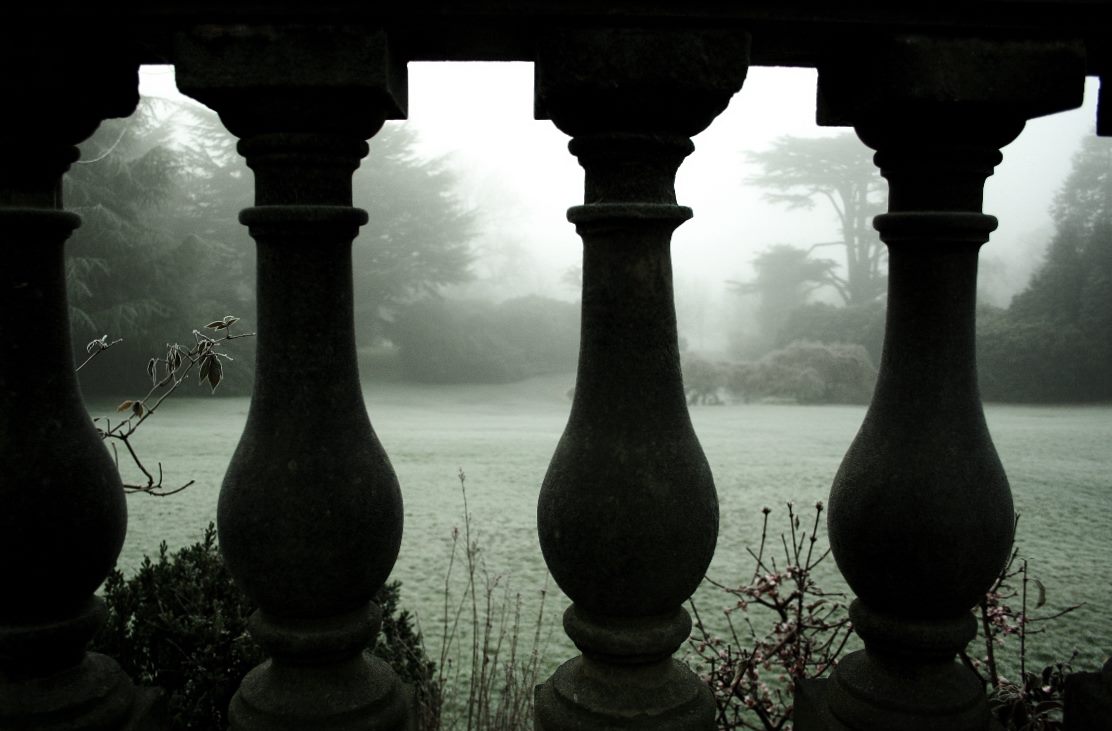
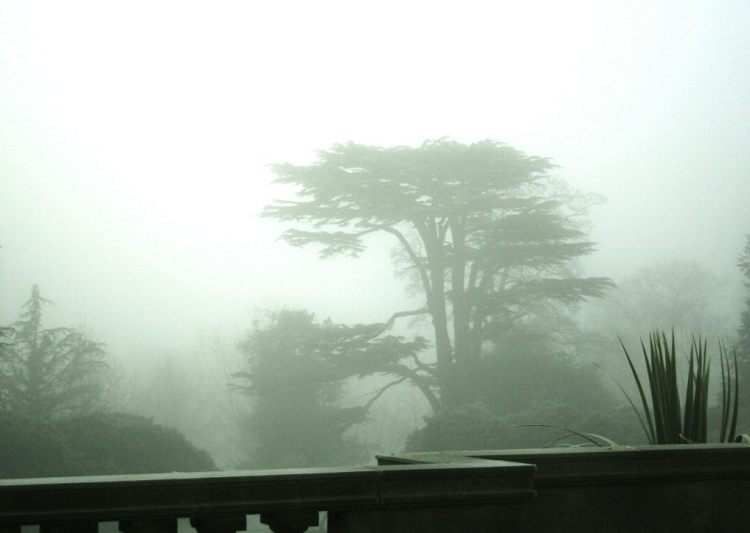
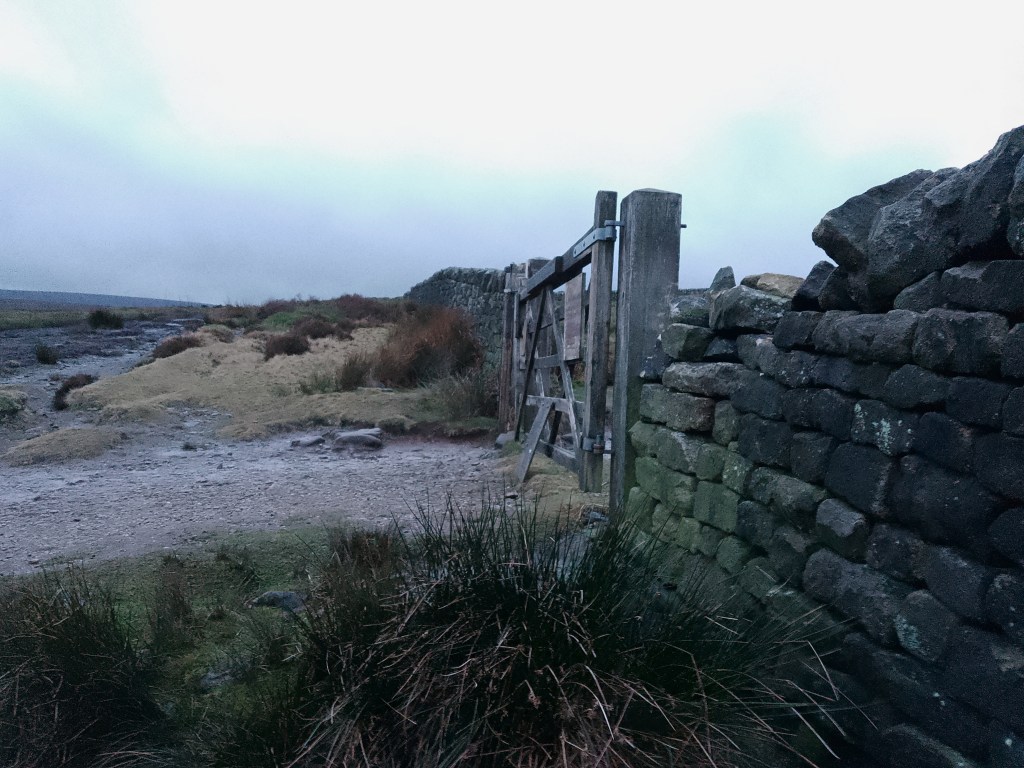
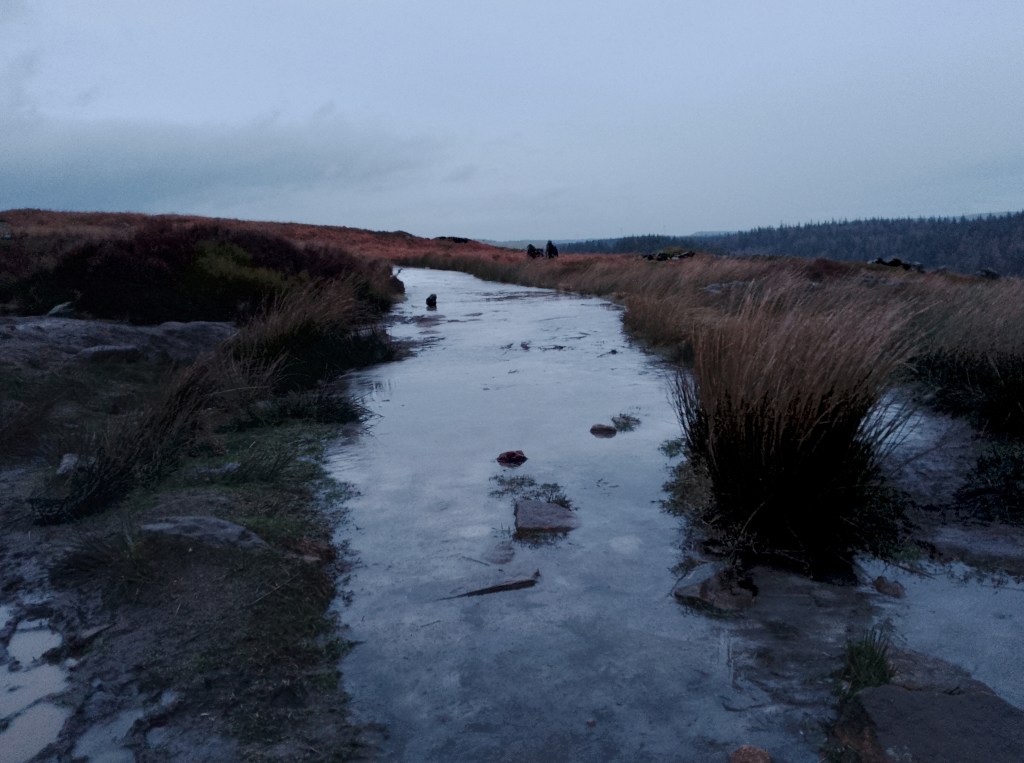
Langsett remains weird. An intrusion of the outside. Dream-like, in that all our dreams are breached by that which shouldn’t be there.

Nor should I… be here, ‘down there’.

I’m lost.

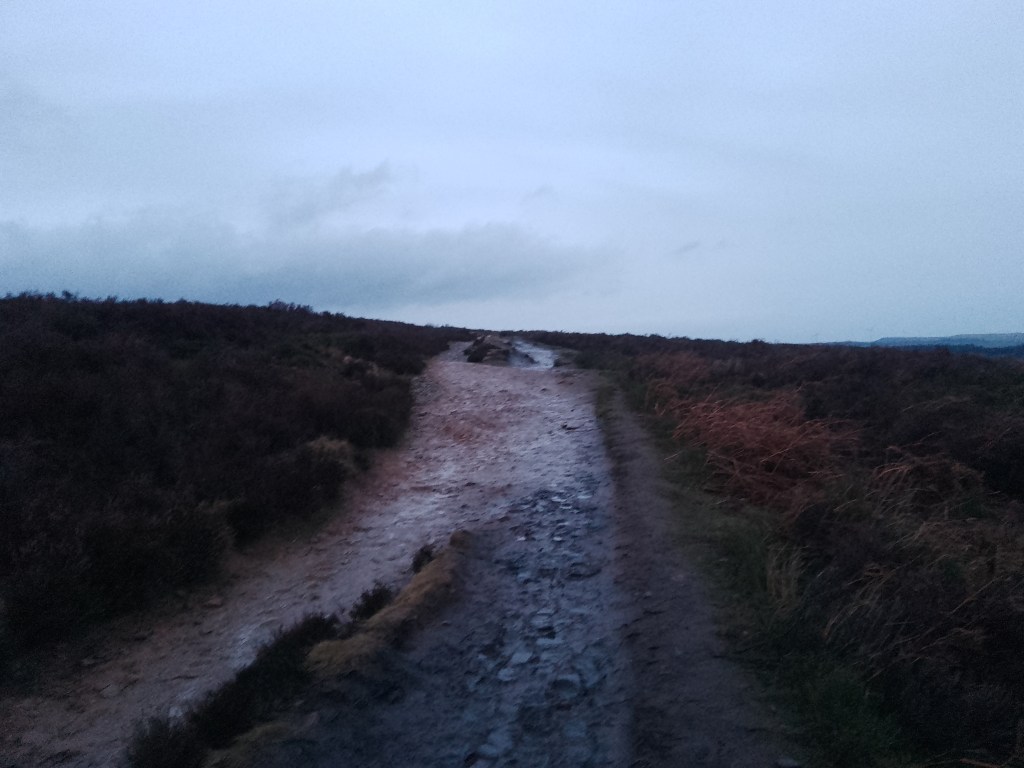
That horizon line that greats you as you ascend the first set of hills, with its weirdly rhythmical monotony, calls you forward…

Yet it cannot prepare the familiar to be easily breached, upon this fine line cut by the east/west trunk road and the reservoir walk that struggles to be itself underneath the heft of the Weird, uncaringly jotting out of its allocated zone.

This breach brings coastal nightmares onto water placed into the seemingly safe centre-land, gesturing to the great wildernesses of land and of sea alike, stalking our dreams with apocalyptic advancements.

For even though it is a place made austere by many human hands, it is never convincingly clasped from an amoral wilderness that annexes the plantation pines and 20th century pylons, which line up as marker points to the exodus sought through it.

What was once a wildwood has long since been a desert.

And a desert it must be, for it is the desert I seek.

… a nothing space with no more anything.

No more signs, fooling us into thinking all those ‘down there’ things. A place where gluttonous demands make mere meat of us, as we wrestle and twist unable to shirk the shape we assumed long ago at some fateful point, as options in life become harder to graft out of the setting stone of misplaced middle age.

There’s a black hole of comprehension in which 2000 became 2024, in which 16 became 40. Wondering how you managed to fuck up so embrassingly. To have allowed yourself to be spat out so easily. Back into your parents house, the four walls of a life humiliatingly trapped in teenage chains.

Even as I know more than ever that such admissions don’t bring saviour, and that the impetus for change is at red alert, as I twist and turn it’s still the same things reflected and inflected in the daily reconstitution of self-hood.  This Now consists of a daily dog fight, objectless lunges at a self-worth-sucking atmosphere, as ones eyes meet those of others in an internal contest for respect from ones inner critics.

But they, the inner critics, lose their hold up here, as the signage they utilise gives way to nothingness.

The wish to get lost up here is merely a logical response to how it feels down there.

Here is the site where elemental truth can speak clearly. Right here. About the great tragedy that befell our age, where soft Millennial promises mutated into a mute horror of which no polite voice dare speak.

That something has happened which may never be classifiable. Generations dislodged, like dislocated limbs. But yet a loose skin conceals the damage, leaving it to simmer in internal violence.

We all look the other way, only revealing our permanent stretch marks – the indelible stains of trying to hide collective trauma. But skin artificially held up in suspense flops to its death here, as the increasingly desperate displays of opulence, that overpower you and push you in a lowly road-side ditch, can now do one, and fuck off for an hour or two.

You can even laugh along with the hostile gale, as a shiny white Audi, a mere stand-in for a seemingly infinite amount of status cars that have poured into our hearts, forming part of the tapestry of 15 years of collective trauma, tries and fails to assert its power here.

As the near dark sets in, the landscape hunts you back to your place of safety. Stalking your imagination with un-belonging intrusions, as if it were a dream.

Evening beckons. Tomorrow will be hard, as life gets privately more painful, perhaps for all of us – but yet nobody is letting up.

The dark peak horizon which Langsett assertively unveils keeps calling, because it promises retreat to a place where you can’t possibly be lost because there is nothing to be lost in. A place where you can’t possibly be ashamed, because the social is withered to its bone up here.

Down there, one can only do their best to fight their shame. And this is me, here, doing that now, in real time.