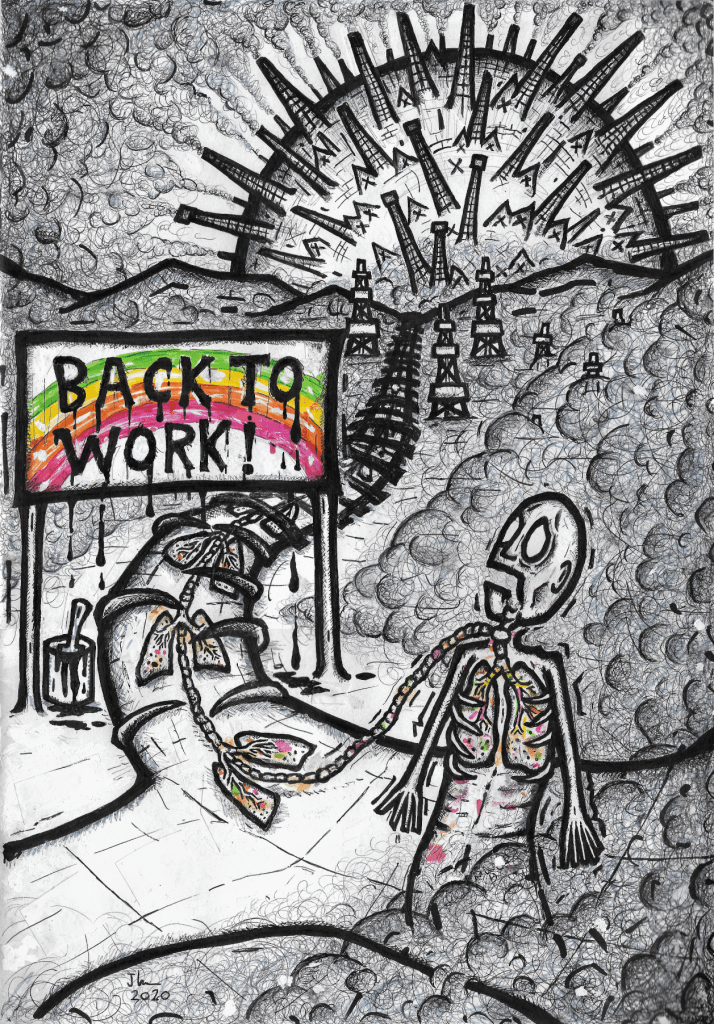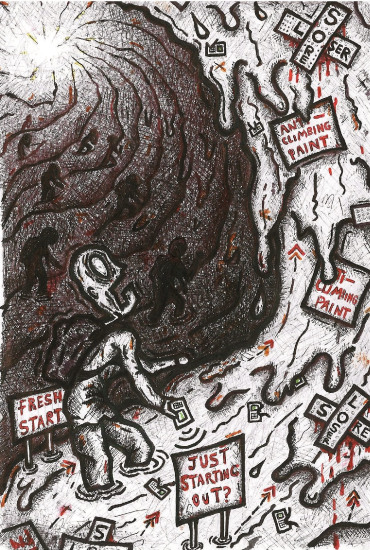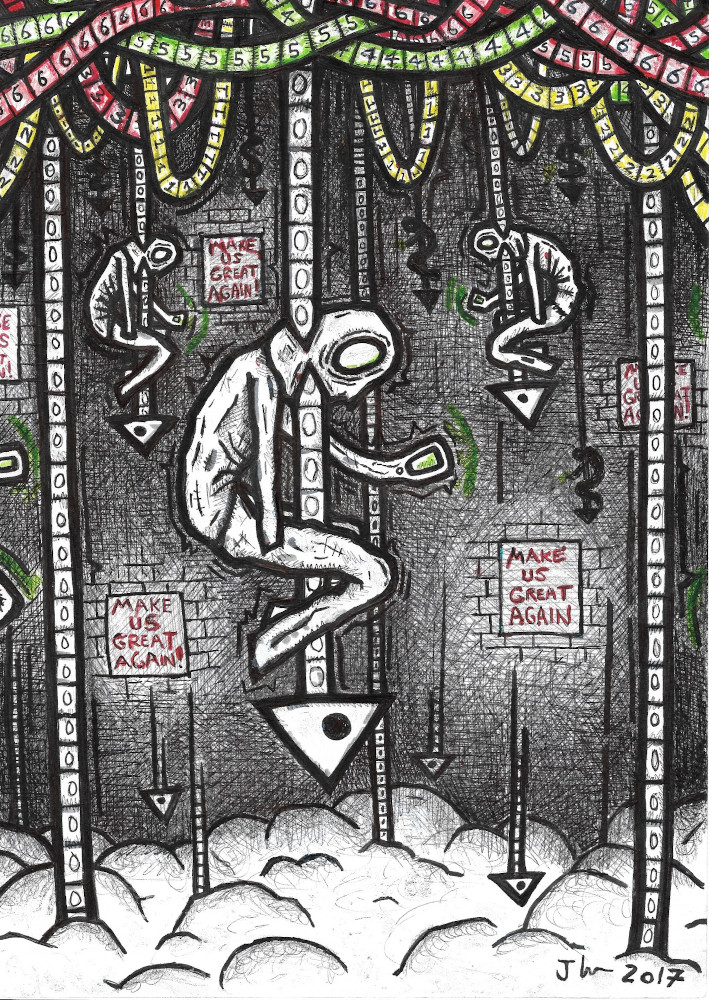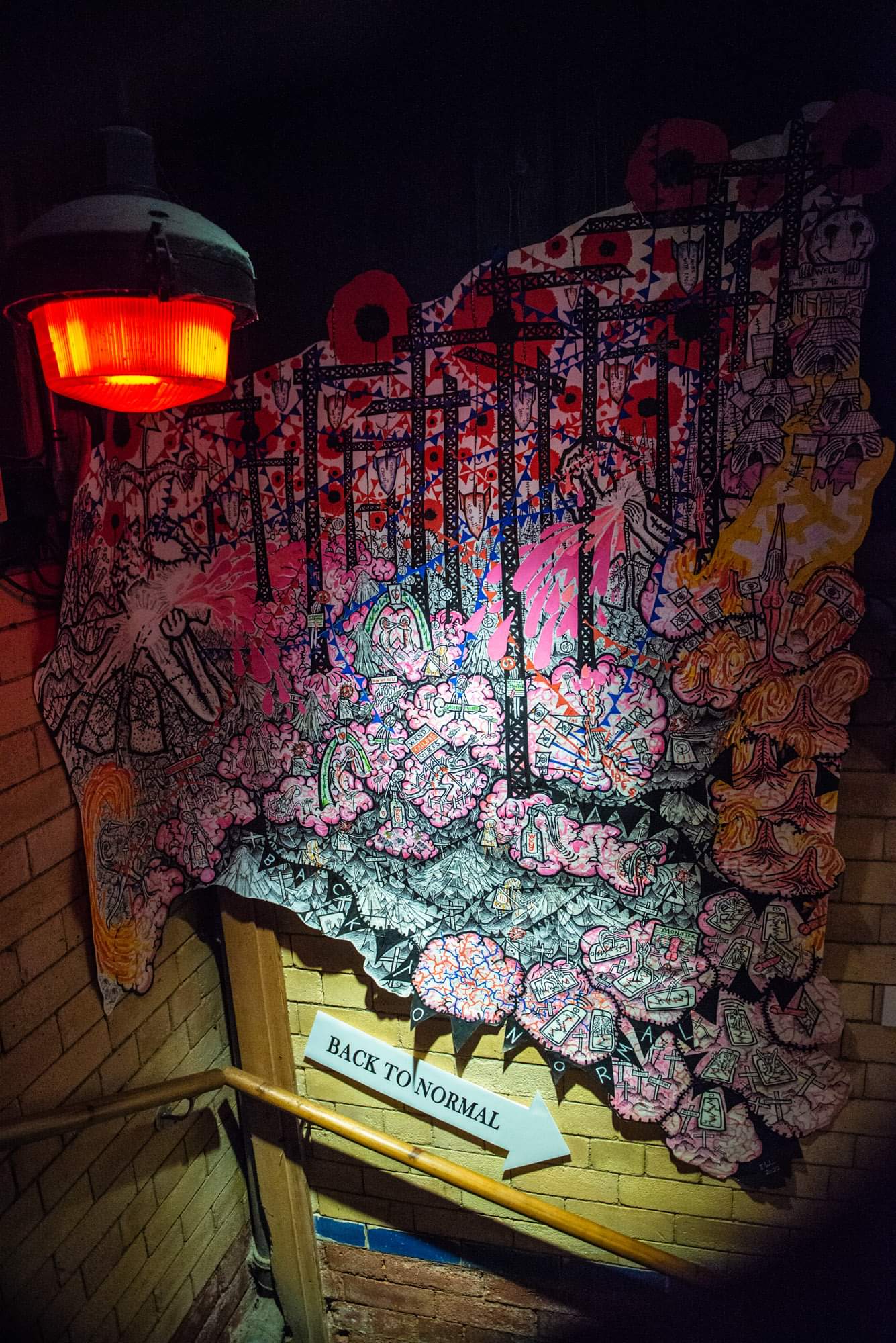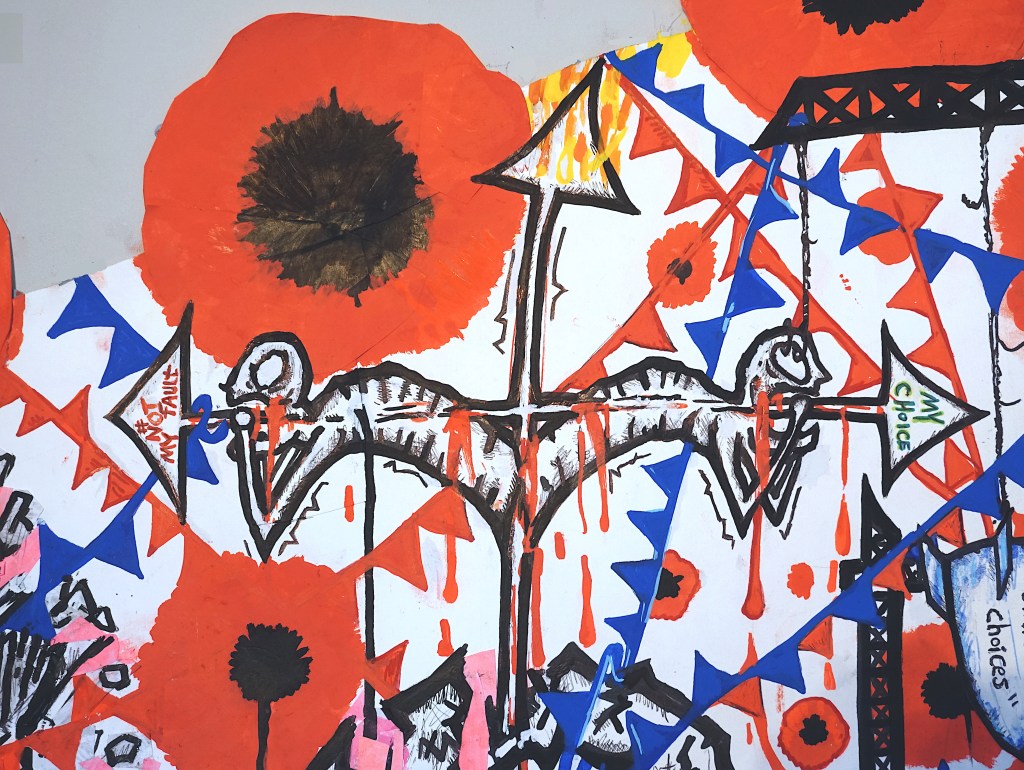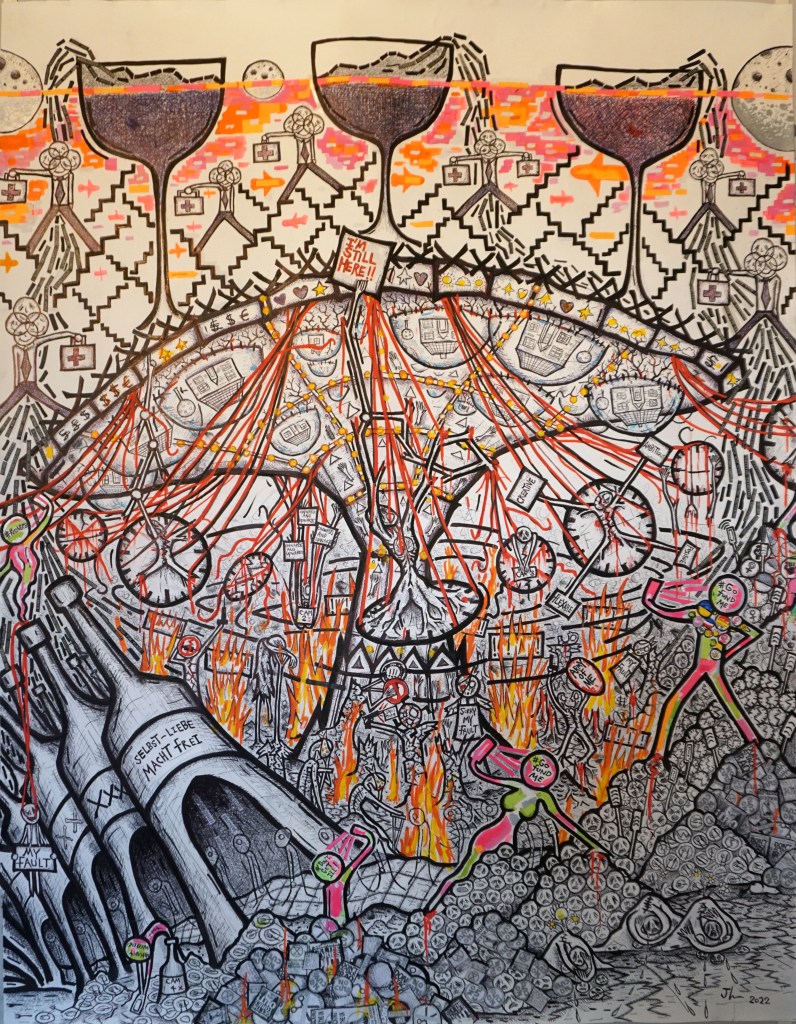
‘Bland alive’


…I dreamt that all this torment exited my body
It was uncanny. It was so surely the truth.
yet, I watched myself as if from a parallel earth, orbiting above, but never making contact.
Things have gone too far. Habits have gotten too bad. And I’ve dragged way too many to the mouth of my insatiable hell hole.
“This isn’t me!”, I protest.
But who the hell is it then?
I’m on a parallel earth, watching me descend into the hell hole, too scared to intervene.
Where do I go now? Whatever this demon within, it wants me to do the worst. To dig deeper and deeper.
If only I could cry. Be the parallel me, who speaks out in my dreams. Then, maybe there could be a road to redemption I could finally believe in.
..
What must I have looked like?
What sort of person must have I portrayed to provoke a girl, probably 4 school years younger, to shout “he’s’ one wi’ problem!”?
My friends made sure I knew they found it hilarious, which would had caused me far more immediate humiliation if I hadn’t had got other priorities.
I feel humiliated now, if I look back, and recall my shape. In my last year of secondary school, running everywhere, literally. Wearing ill-shaped school shoes, with an hair cut that had become a confidence-less variation on a style I assumed some years before.
The colours all seem grey. My uniform was ugly greys, a once-black jumper that always stunk, like everyone else’s, of the cooking fat used in the dinner hall. The greys of the old post war buildings, a mish-mash of make-shift blocks, with the exception of 2 walkways over the cut, which still seem retro-futuristic.
The sky was grey, my eyes were filled with grey, as was my mood. A grey, underlying anxiety.
My day was about getting from the start to end and fitting in as much exercise as possible to appease some demon I’d acquired a year or so back, coinciding with the mid-adolescent pressures that accompany GCSEs.
I wasn’t as thin as I was 6 months ago. A series of niggling injuries from playing football with my mates on the shittest of football pitches, and a boredom over eating too little, meant I was probably back no longer quite as gaunt.
And I knew it, and hated it. But I also hated exercise – or at least the punishment involved that I’d made sure of.
But I still ‘had’ to do it.
The evening would bring so much dread. Dread if I didn’t have any exercise fixture, forcing me to face my own willpower, and dread if I did – if tonight’s training session was going to make me gasp for air when deep down I’d rather be at peace.
The only exercise I actually looked forward to was five-a-side football with my mates at the nearest Leisure Centre. Their informality made the prospect more appealing, and not the apprehensiveness I’d get encountering the low-level bullying in games with the local football team.
My obsession with booking these five-a-sides was evident to my mates. They could clearly see it was “him wi’ problem”, which is why they found it so funny when the girl shouted this in my direction.
Of course, I didn’t see this, or if I did, it was damage limitation. I had no self-confidence, or self worth, and to be honest, none of our group did! But we treated each other terribly, rather than banding together, as young mates do in television shoes.
It was all background noise, to my bigger command to keep exercising for fear of….. Fear of something. The fear of being ‘fat’ was the shape my anxieties took, and only in hindsight do I know it was mostly a dread over being in this world: how to be? how to be a me I liked? how to go forth and be an adult, when I felt soaked in ridiculousness?
But back then, none of this was evident.
We were all Oasis fans, that’s just culture we came of age into.
They had just realised new music. In my head, lyrics about make believing one wouldn’t grow old became “let’s all make believe that in the end we want get fat” .
The aptly named ‘Gas Panic’ was going through my head like a worried ghost as I ran between the science and P.E blocks, making sure I exercised when I could.
I wonder who that then young girl was. She was probably not even teenager as she shouted this thing was somehow very accurate. Something that would haunt me for 23 years.
I’m still haunted by the version of myself who was running around between school blocks. Memories that are all in greyscale colours, the kind that makes you think of 20th century TV school dramas like Grange Hill.
It haunts me, because in differing ways I never stopped being this person. The only thing that is different now is a catalogue of manifestations of this coping mechanism, sometimes feeling like they are now coming home to roost.
I admit the blog I posted on Friday was a little incoherent. Because I don’t think I explained that it was really just a musing over what appears to be a connection between a retreat from the world and reactionary beliefs, and how I feel that I have seen myself wishing to retreat over the last couple of years (I even explained to my friend that I often find myself losing confidence when I write, and then proceed with the mere of hope of someone, with a little more intellectual heavy-weightedness, decoding it and letting it hatch it out properly into the world).
I think I was asking in the blog what conservatism (right wing beliefs and attitudes) is, and whether it is inherently bad.
Well, it goes against everything that could be characterised as a ‘Modern’ value; ie, progress, technological, intellectual, social.
However, since the beginnings of Modernity, an age of discovery, and improvements to life quality but equally one of chaos, crises and madness, the ‘Moderns’ and the ‘Conservatives’ have cancelled one another out to the point that they could silently agree to disagree, and actually join forces to prevent any genuine threat, such as a socialist one. Liberals and conservatives can argue until the end of the earth, knowing full well in their hearts that they couldn’t exist without one another.
But there’s the conservatism of those who hold political, economic, social power, and the conservatism of those who don’t.
For the powerless it’s a wish to preserve, and to keep the threats stirred up by ‘Modernity’ (or capitalism) at bay. It’s an anti-political politics, that wishes to be protected from it.
I spoke in the past blog about a shift occurring, at least here in the UK, that was accelerated by the pandemic; a shift from a society based around aspirationalist individualism, to one based around preservationist individualism.
Aspirationalist individualism could still be classed as Modern. Indeed, perhaps it was our last burst of Modernist ‘Future Shock’, in the brash, exciting, consumerist colours of the late 20th century, that now haunt us, like the run down shopping malls that were, for a moment, the embodiment of a luxurious future.
Capitalism, as the dominant force of Modernity, created crisis, but this was balanced out by the promises of Modernity, at times for a better society, and then for better individual opportunities to succeed.
It feels like the promises aren’t really believable anymore. Capitalism produced external crises caused by its rapacious need to expand, but it also creates a culture that keeps us in restless emotional crises, and the society of aspirationalism was about internally reprogramming our souls into non-stop go-getters.
Since the pandemic there’s been an implicit assertion that many are burnt out. Enough people saw a glimpse of a different sort of life, not as focussed on work, careers, or on competition between one another.
Before the pandemic there had emerged a contending promise, one recognisable from the early 20th century, of a ‘better tomorrow’ for the collective. It not only began to feel tangible, but necessary, not only in the face of the geopolitical and ecological challenges, but also because the aspirational promise was beginning to wane. Perhaps the symbolic first death knell of this promise (at least in the UK) occurred when Liberal Democrat leader Nick Clegg reneged on his promise to scrap student tuition fees, which was perhaps the catalyst for a what felt like an entire generation to become ‘anti-capitalist’.
Since that point, and in the aftermath of the intentional exhaustion (by powerful forces) of the energy that almost got the UK and USA their most left-leaning leaders in living memory, this ‘better tomorrow’ seems as far away as it ever did.
Because there is no socially-cohesive promise to believe in, many are retreating. They are retreating as much as possible from the emotional and physical trauma of the life of the careerist go-getter, and if they can’t because even bare existence has become way too costly, they are in a kind of quasi-spiritual retreat.
‘Mental Health awareness’, ‘quality time for myself’, ‘mindfulness’, none of which are bad, but are all signs of us finding solace by turning away from the world, putting our ’10 hours of relaxing rain to sleep to’ YouTube videos on.
I think my premise was that it is good that people are questioning the way work takes over our lives (even if they can’t physically work less hours, due to the cost of life), but that retreating into our shells, away from the world, is also potentially quite a conservative, reactionary thing to do. I ask if I am becoming right wing, because over the last few years I have found the state of the world, the constant demands to soul-search, and the competitiveness of things so much, that I was no longer thinking ‘I want the world to be different’, but merely ‘I want to feel better and that means not thinking about the world’.
Interestingly I have moved away to do seasonal work in a rural part of Cumbria, in an act that is kind of a retreat. However, in a remote place with poor reception, and no wifi, I’m starting to think about the world again, but momentarily without the exhaustion and guilt it used to cause.
Perhaps, just perhaps retreating doesn’t haven to be one-sided, politically. Although I haven’t thought about this enough to elaborate on right now.
Thanks,
John.
…and the shift from a society of aspirational individualism to one of preservationist individualism.

Ok, so the title sounds ironic, or even a reference to a Father Ted scene. But it does raise what has been one of my serious concerns over the past year or so: that a series of factors have altered my constitution and outlook, into a more right wing one.
What does it mean to be concerned about becoming right wing? Surely it’s a decision, an active choice I make, either to be or not be so?
Also, who am I scared for? Myself, or a left-leaning/progressive ‘Other’ for whom attitudes associated with right wing beliefs stand in for all evils at a quasi-religious level (even if that ‘Other’ has no genuine alternative to types of joy produced on the right)?
…yes, I think I am bit scared by this; i.e, “what would my piers think?” etc.
But only a bit.
It’s more about how I feel about myself, and my specific path in life.
But what do I mean, what does anyone mean, when they say ‘right wing’? And am I merely thinking of the aforementioned: a term to stand-in for all the perceived ‘badness’ that could be instilled within me?
Perhaps where to start, is with a sense of being on a road to resignation. A road that looks towards political hopelessness and a loss of faith in the ability to be surprised by the ‘other’, or, perhaps more importantly, the loss of faith in the ability to be able to surprise myself.
This, I see – and worryingly so – as a road to nihilism, or at least a ‘nihilism of the Now’; a sense that nothing can surprise or make the world a better place in its contemporary state.
This means that the type of ‘right wing’ I am describing is one that could be born after a ‘depressive realism’ takes hold, when one not only no longer believes that things can be any better, but is bitter and very hostile to any calls to try to make something better.
I don’t think I’m quite at this place, yet. But it may be like witnessing the zombie bite you arm, consciously aware that you’re about to succumb to a possession.
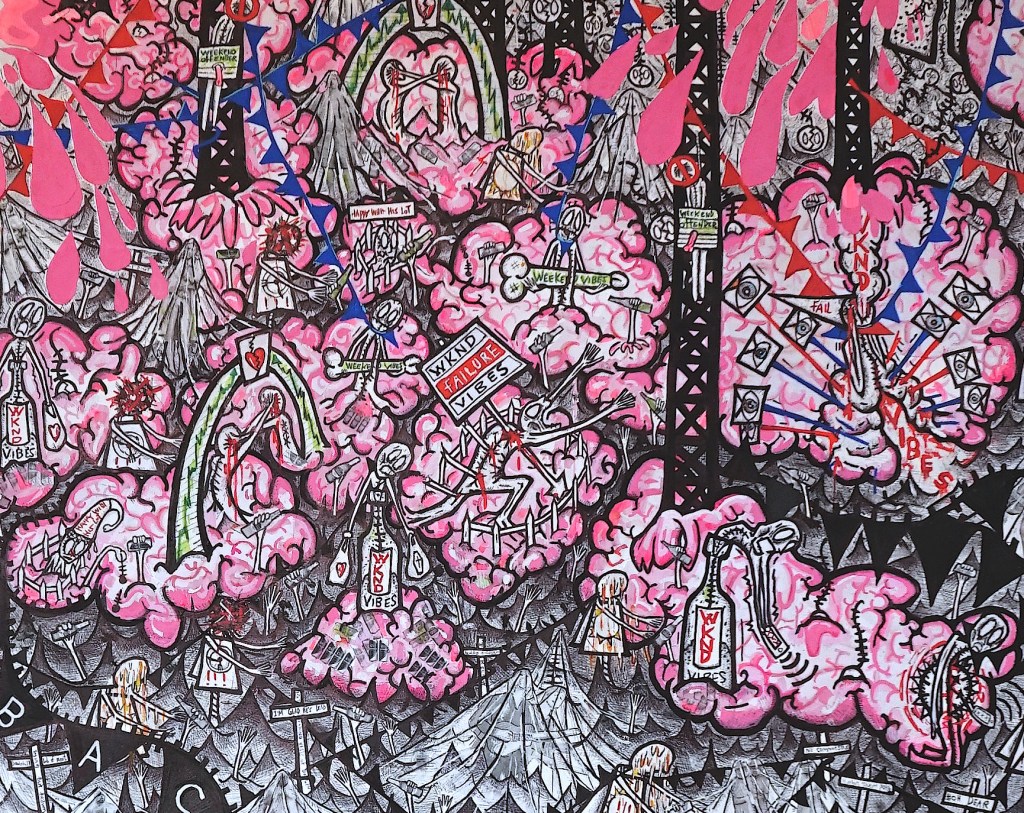
For many who know my art work, I have been there a long time, as they have always only seen despair in it, which I must admit has caused great disheartenment and made me wonder what I can do differently, because at its core I believe the point remains that my work is positive in its negativity, it’s refusal to play game to this presentation of reality I’ve always found so difficult and unnecessary.
Sorry: side-tracking, but necessarily so. Because I’m highlighting what is a lifetime’s output that has gone alongside years of being idealistic, even if, to use my home-made term, it has most been punch-drunk idealism.
So where am I atm?
I am sat in a coffee shop in Penrith, but I am also sat on the outside of myself. I’m looking in at myself , watching myself age like in a video of later life, fast-forwarded to a single minute. And to answer the above question, I don’t see becoming right wing as a choice, but more of a process, a slow happening, like the ageing process itself, but this one specifically set on by a confluence of subsequent societal crises and an accumulation of assumptions borne of experience.
But there is one choice here, just one: the choice to take actions to prevent, or overcome this. This is my plan. But I’ll come back to that later.
Where am I? I’m not alone.
Large numbers of us, especially in early adulthood right up to early middle age have been left politically shipwrecked by a subsequent series of crises, one after the other, with earlier ones initially activating us, only for later crises to disorientate and ultimately deflate us.
I am always speaking as if I am everybody. This is of course particular. But if it is it is collectively particular. So entrenched in the wake the pandemic, the crisis that was like a brain injury at the end of a car crash of political hope.
I was 24 when the 2008 financial crash changed the texture of reality. I was 17 when 9/11 happened, but for all 9/11’s aftermath, it was the financial crash that set in motion a political activation of millions of people across the world, especially those 5-10 years younger than myself. We’re all now in our thirties, many of us wondering what we’ve just gone through. I am certainly thinking this – I turn 40 in 6 months.
Over the last 5 or so years politics has become ever-more personal. Perhaps more so than it was at any point since Margaret Thatcher heralded the death of society (which isn’t what she actually said, but may as well have).
Or perhaps it’s more that it’s become personal in an unexpected way?
The age of individualism was built on a shifting a societal focus onto aspirationalism. In the UK this began aggressively with Margaret Thactcher, was standardised under Blairism, and had a last ditch champion in David Cameron.
I believe our age of individualism has now shifted its focus from aspiration to a society of individuals focused on preservation. Both are aspects of an individualistic society, but I believe that the dominance of preservation is a new thing. It has taken hold most notably since the pandemic and then the so-called ‘cost of living crisis’.
However, I believe that this shift has been most pronounced, and perhaps at its most ideological, through the emergence of ‘mental health awareness’.
Despite so much work done by many, most notably Mark Fisher and the legacies he left, to highlight the obvious political dimensions of any mental health crisis affecting so many people, it does no good when one is in the Now, experiencing it, and without the tools to even believe it could be collective. Fisher was so good at highlighting how our system encourages one to blame ourselves for our mental ill-health, but once one is in this state, the last thing you often feel capable of is being collective in mindset.
After the pandemic there has certainly been a lot of people questioning the role of work in their lives, but not necessarily with an active political angle, but more of a wish to turn to themselves, and prioritise self-care over career go-getting.
Aspirationalism as a societal glue stood in for a collective vision of progress towards a better future, but after 2010 this collective energy re-emerged, if only as a competing force. At the moment that energy feels lost somewhere. Not once again replaced by an individualist idea of progress, but by a vacuum of progress, leading progressive political energies to be based around obsessively seeking out accountability for the damage done in the world we inhabit.
There are many people who may not be the most historically repressed, but who certainly need a better vision for a future of society/the world.
And I have seen a lot of people become more conservative of late, not out of age, and a change of typical life priorities, but largely because they feel somewhat abandoned and alienated from any calls for collectivity. I have friends sympathetic to the deeply conservative ideas of the likes of Jordan Peterson, for the direct help he offers many people, when ‘progressive’ voices seem more energised by encouraging us to think of others and ignore our own needs.
Admittedly I am a white, heteronormative man, and these ‘people’ who I speak of are largely friends who are also this. Although assessing ones privilege can be like looking at your shape whilst walking through a hall of mirrors, they are certainly not the most historically repressed people.
Yet, they are most certainly people in need a better vision for a future of society/the world.
The present is marked by a desire to retreat both from individualist clambering and politics. The political appeal of conservatism is precisely in its promise to keep politics out of our lives.
This is what I see, and also what I fear I have felt over the last few years.
The past few years have felt so overwhelming that retreat into introspective solace seems ever-more appealing. I, like many have found myself listening to rain water, or seashore wave relaxation videos on YouTube over the last few years, actively turning away from anything that could stimulate. Purposely deactivating myself from the world, becoming more ill at ease listening to political debates, hearing arguments that perhaps require that I do soul-searching.
I know how all of this is sounding. “It’s up to me to sort this out” and, if the last few months are anything to go by, I am beginning to do so.
Perhaps what I’m doing is using myself to talk more about what at present seems like a wider abandonment of a better tomorrow, in favour of solace in the present. A path that I’m sure many philosophies would agree is the only true path to peace anyway.
But I still feel fidelity, and oath, somewhat, to the pursuit for a better tomorrow, and as present processes continue to make tomorrow look ever-more bleak for human life, never before has it been more important to work against the conservatism wanting to crawl into our disillusioned bodies.
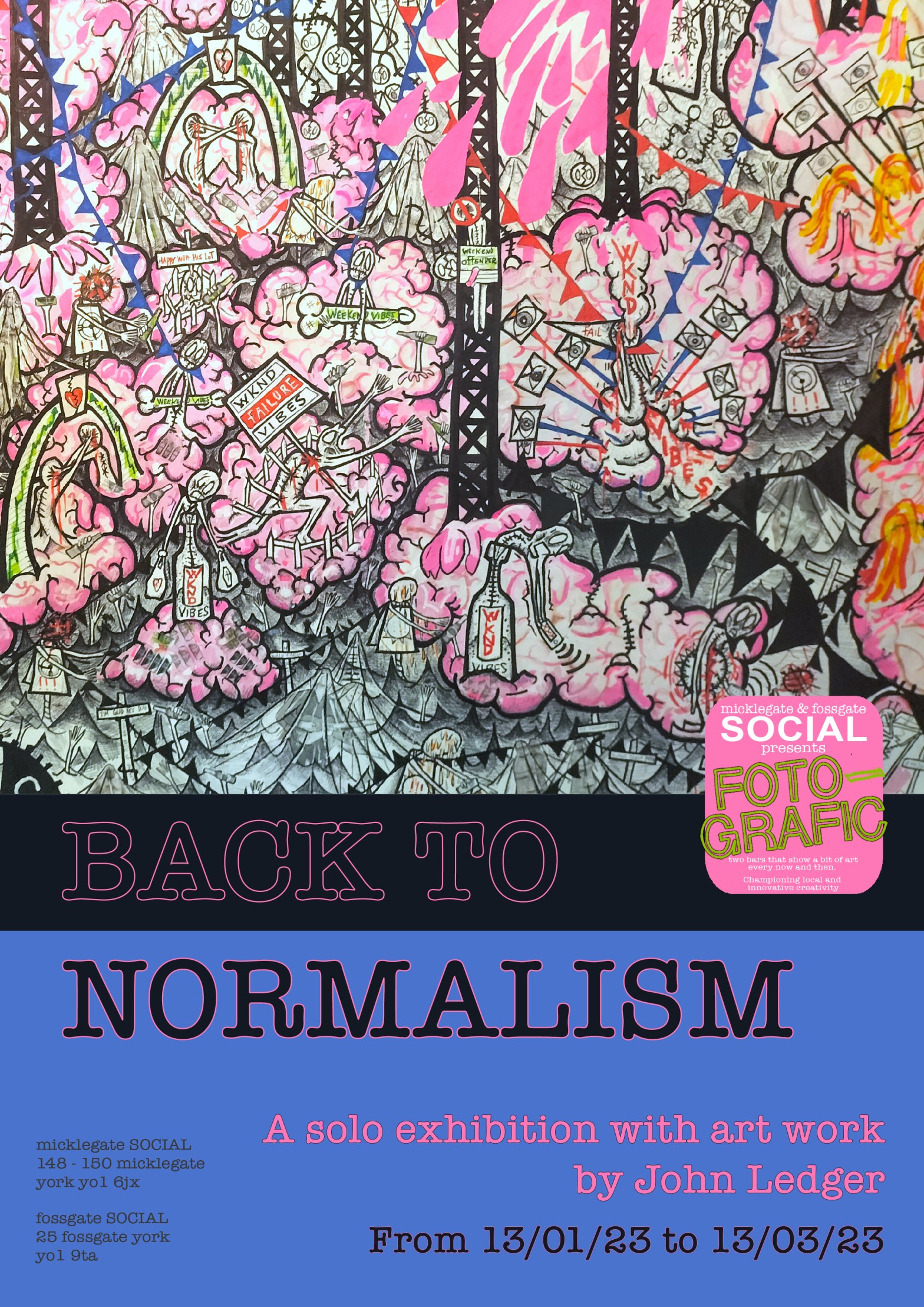
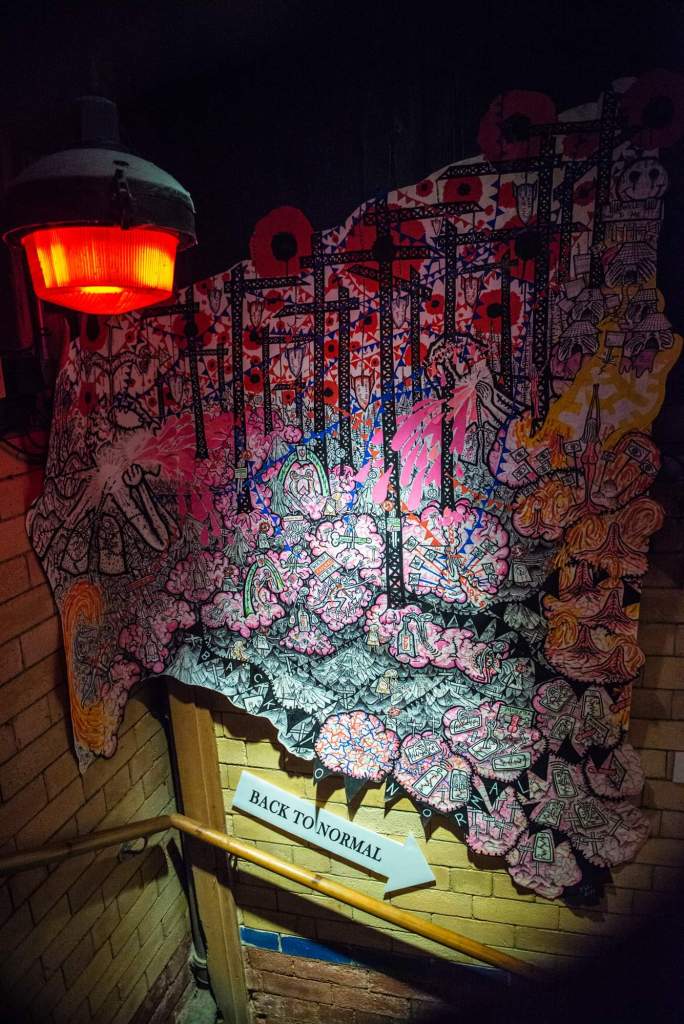
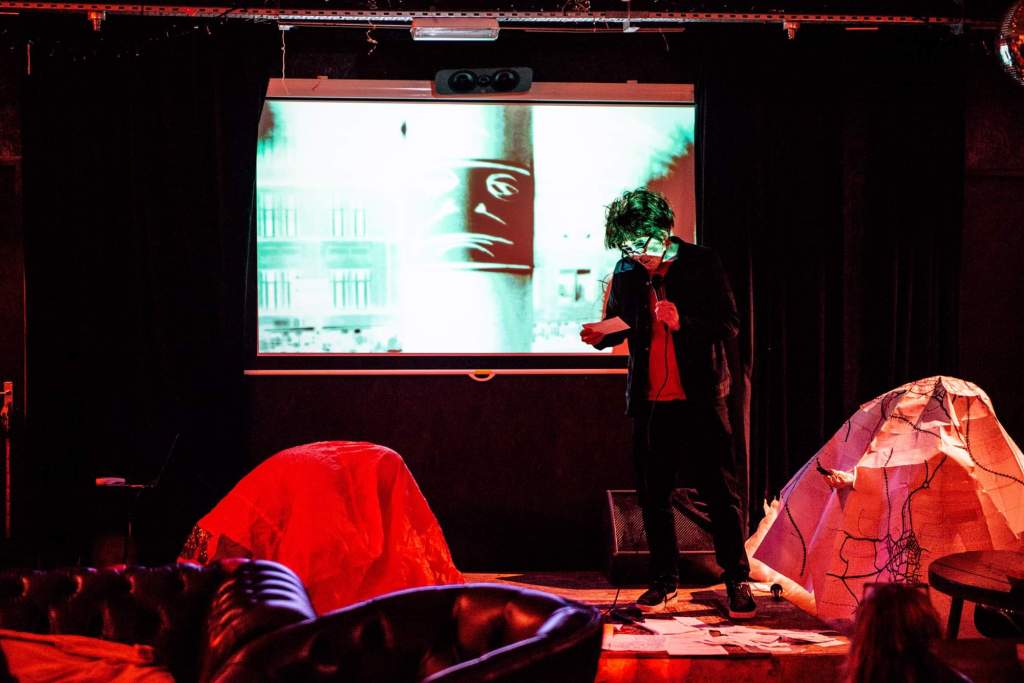
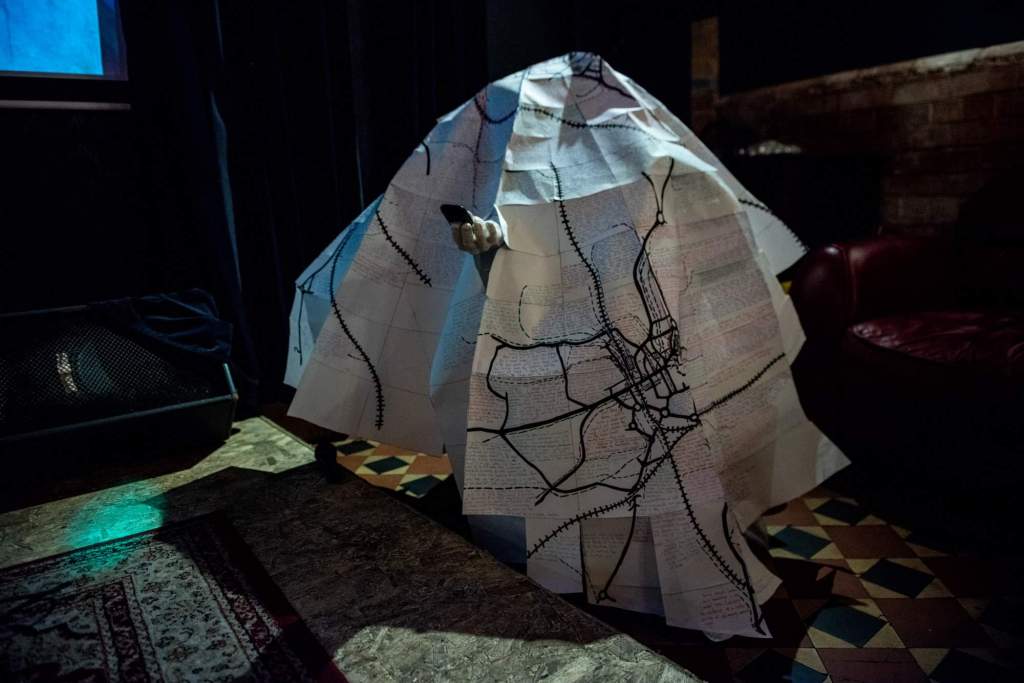
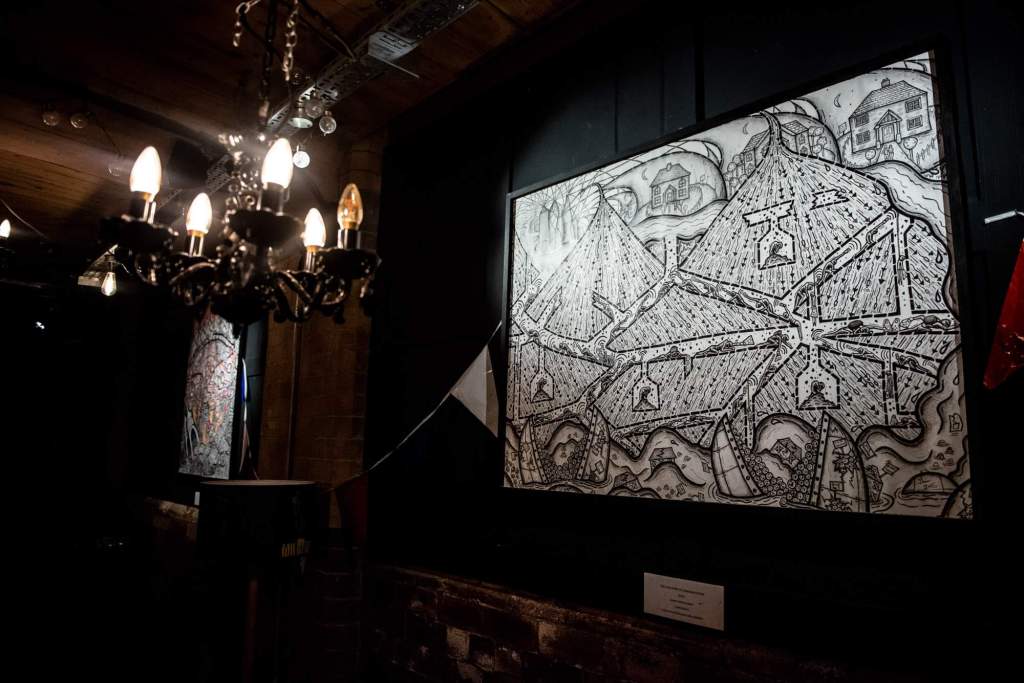
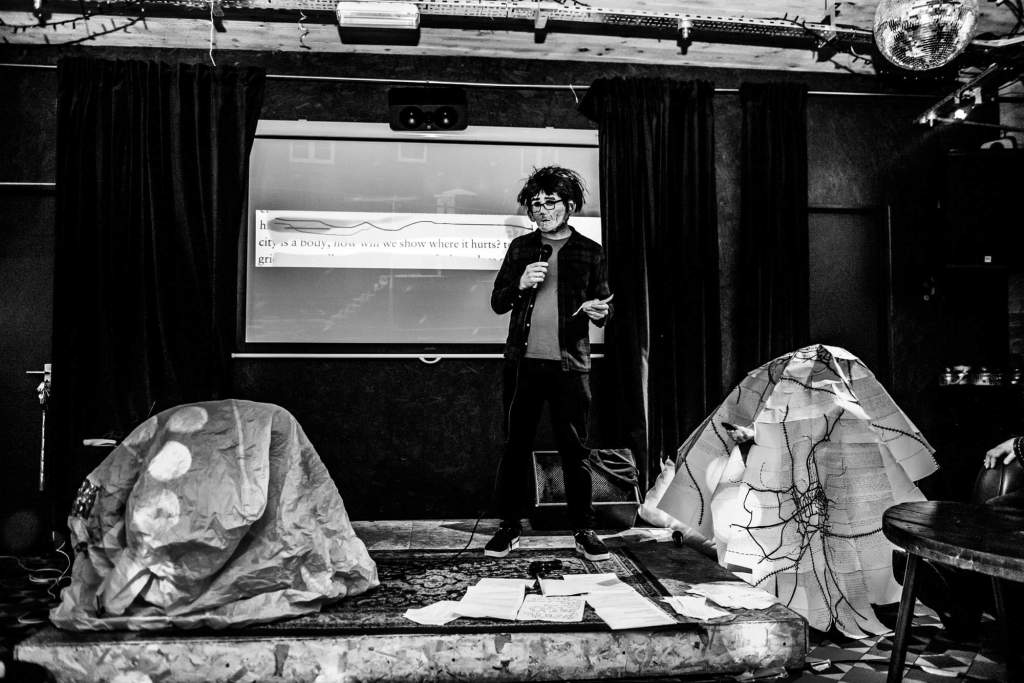
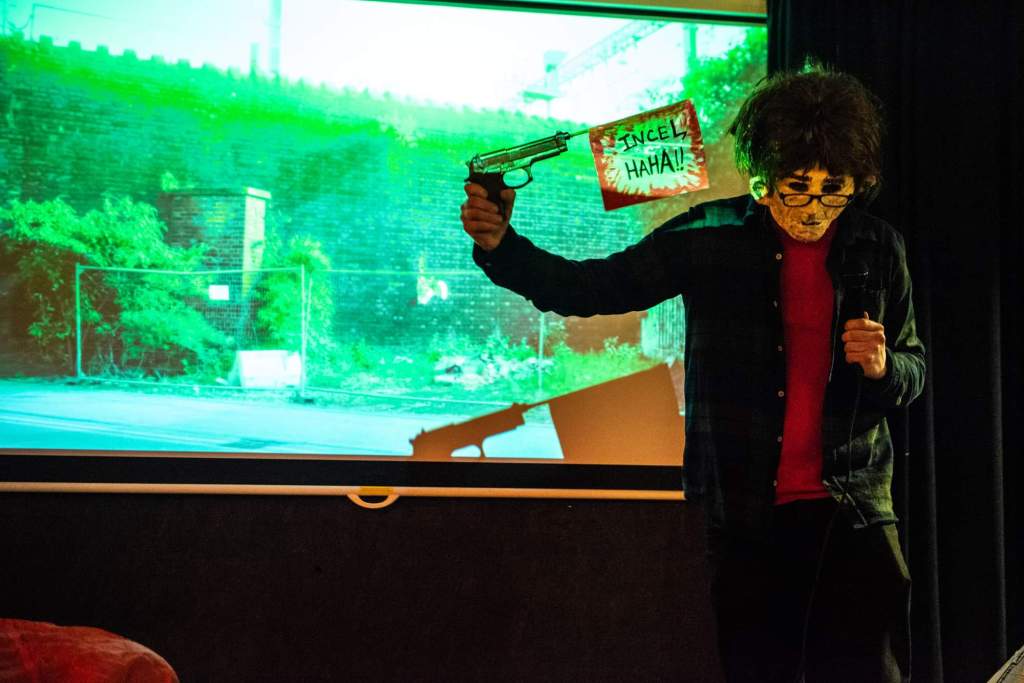
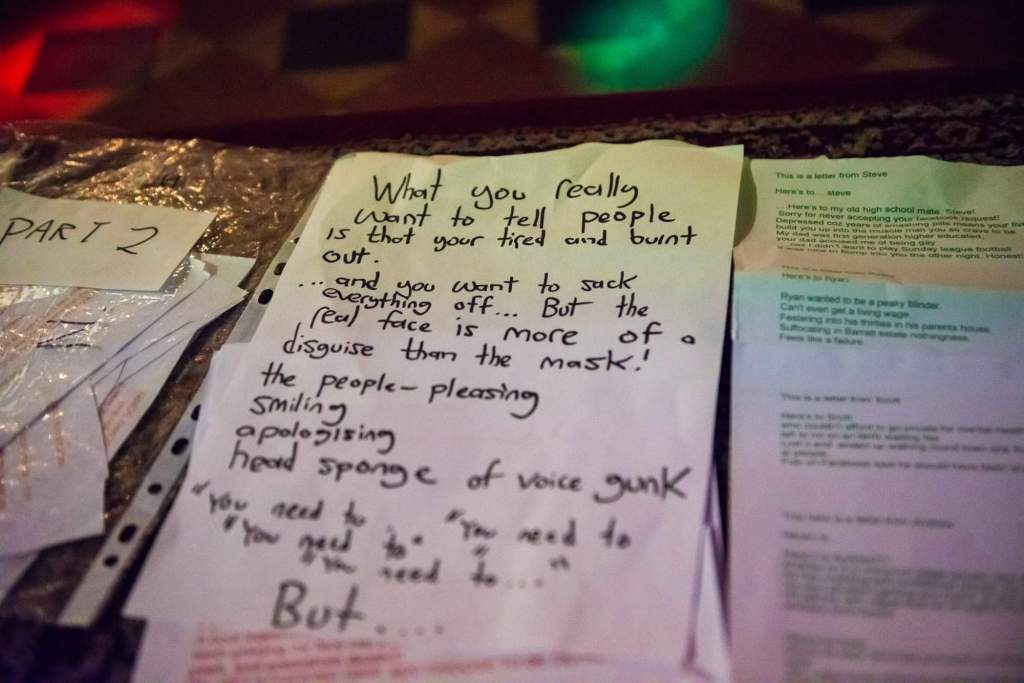
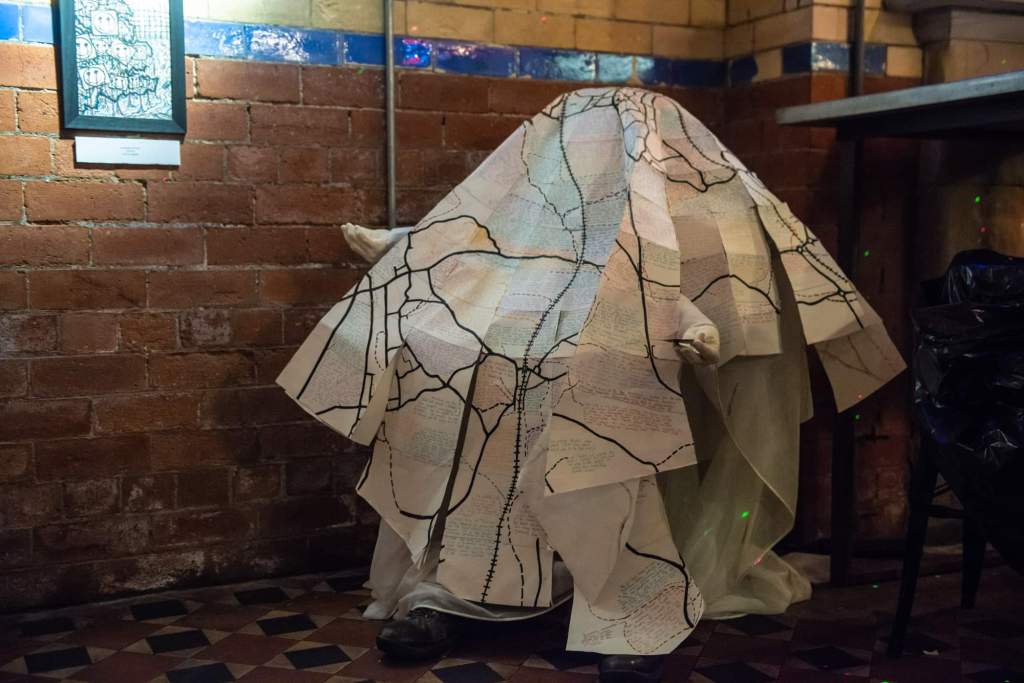
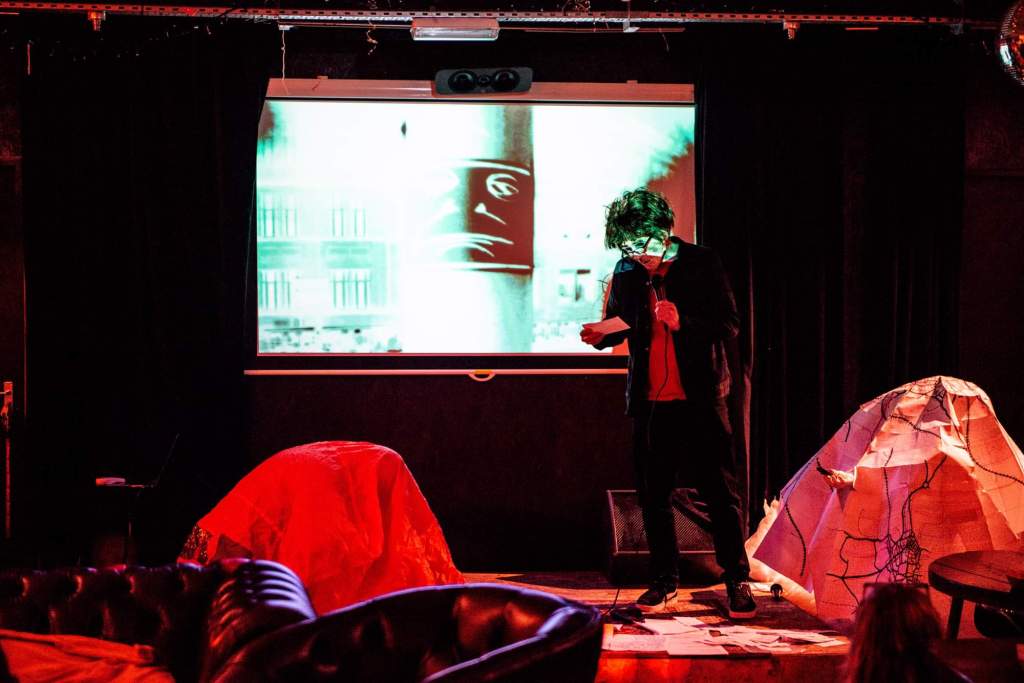
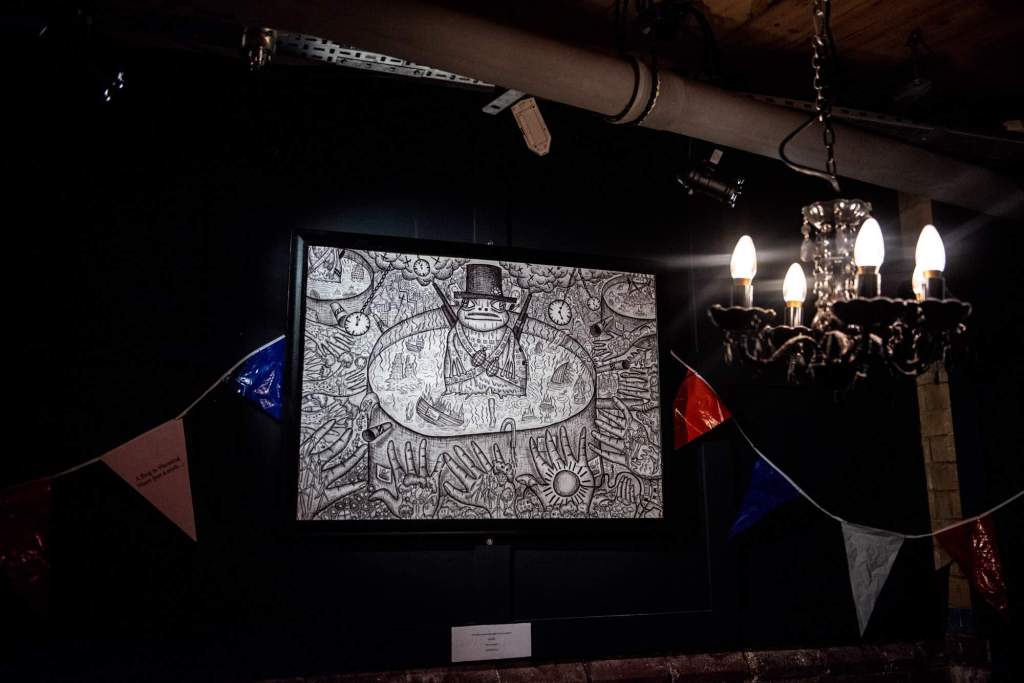
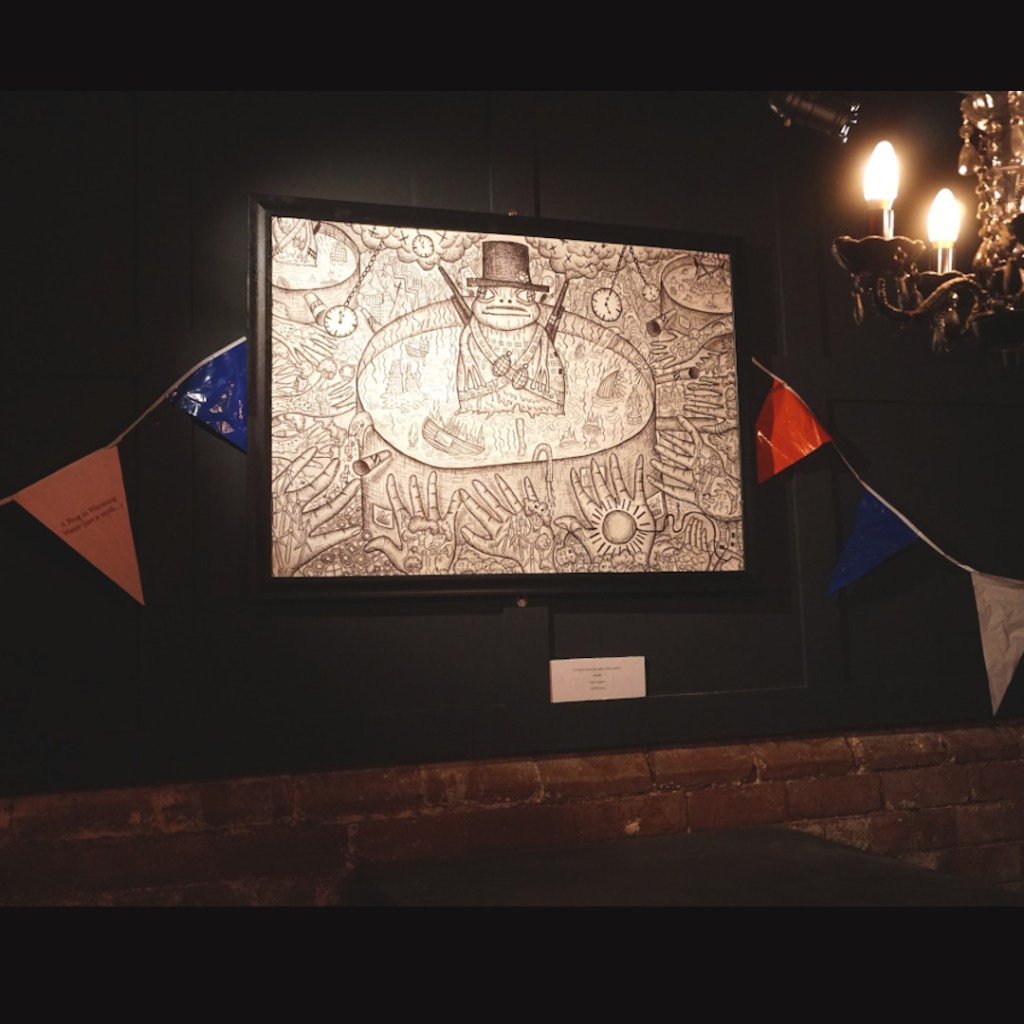
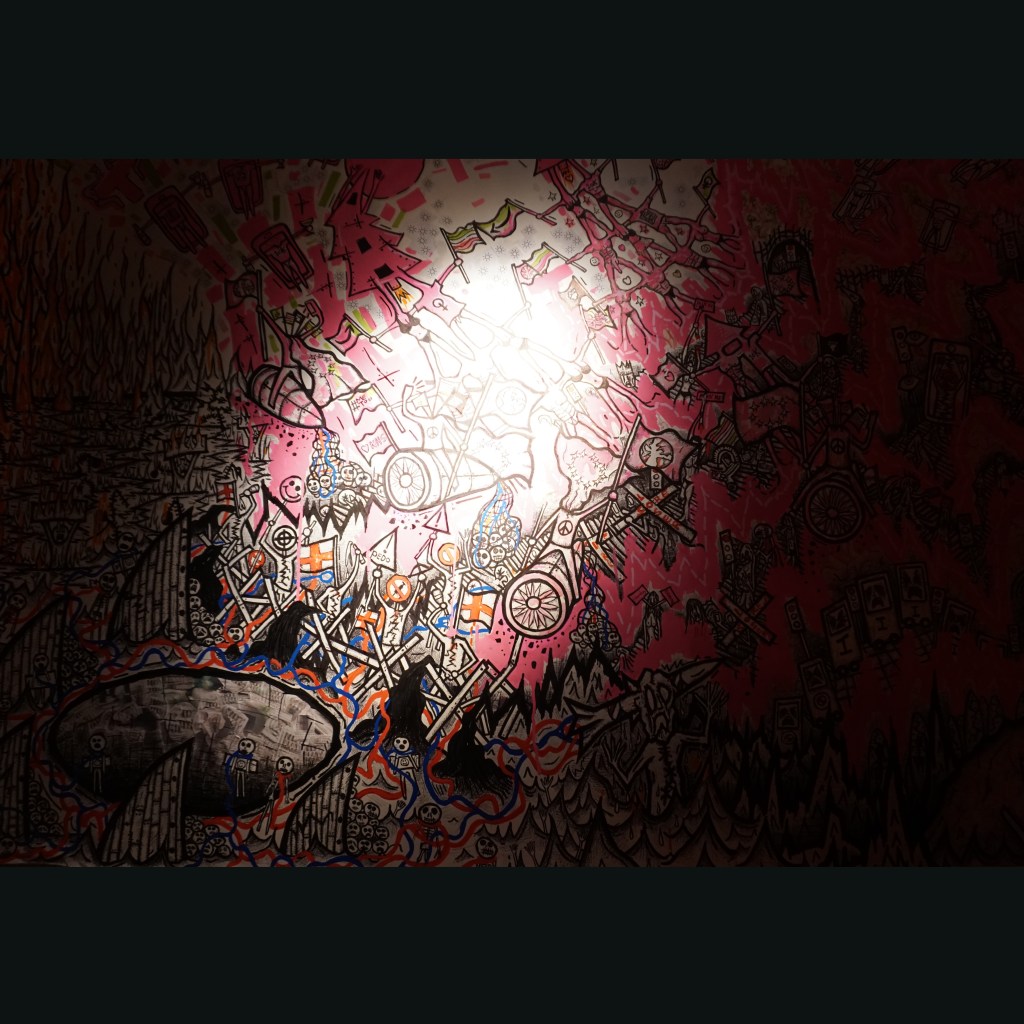
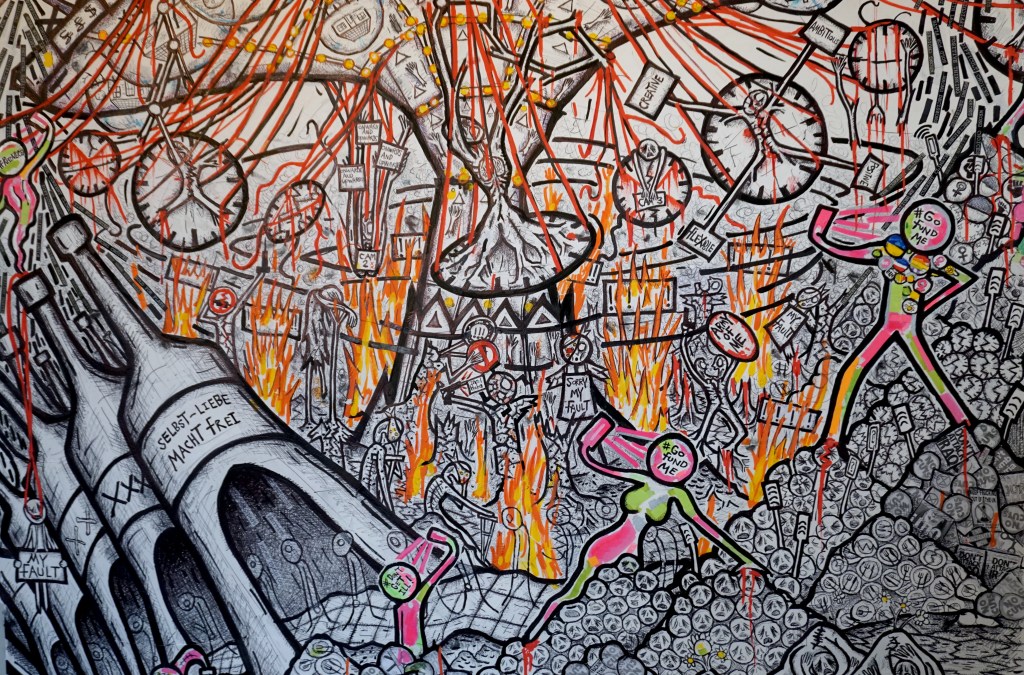
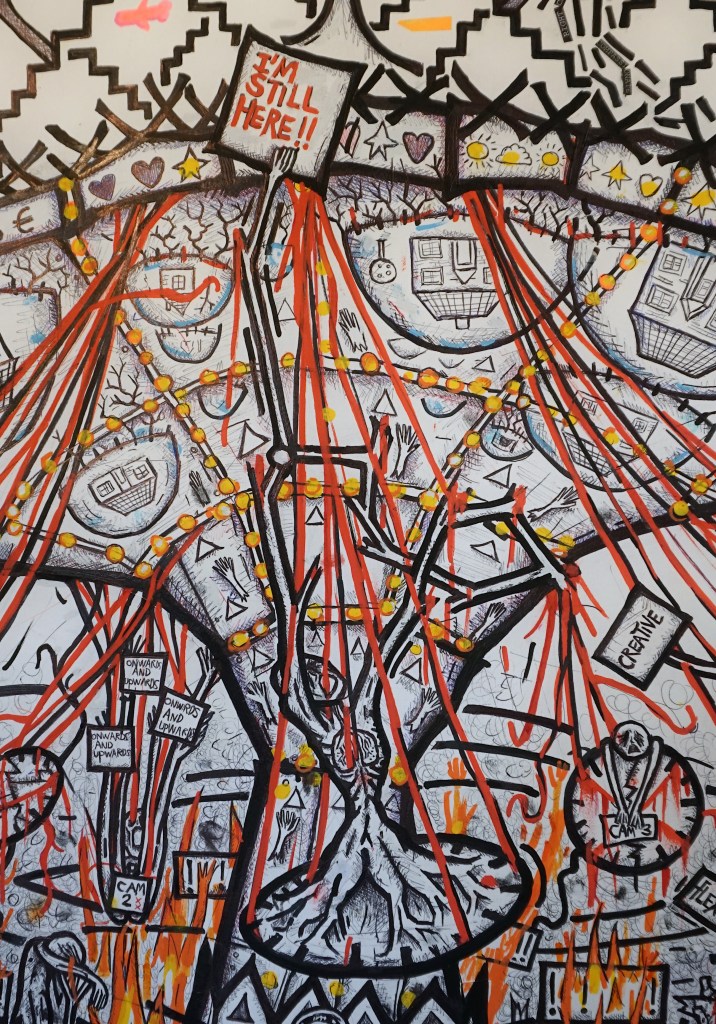
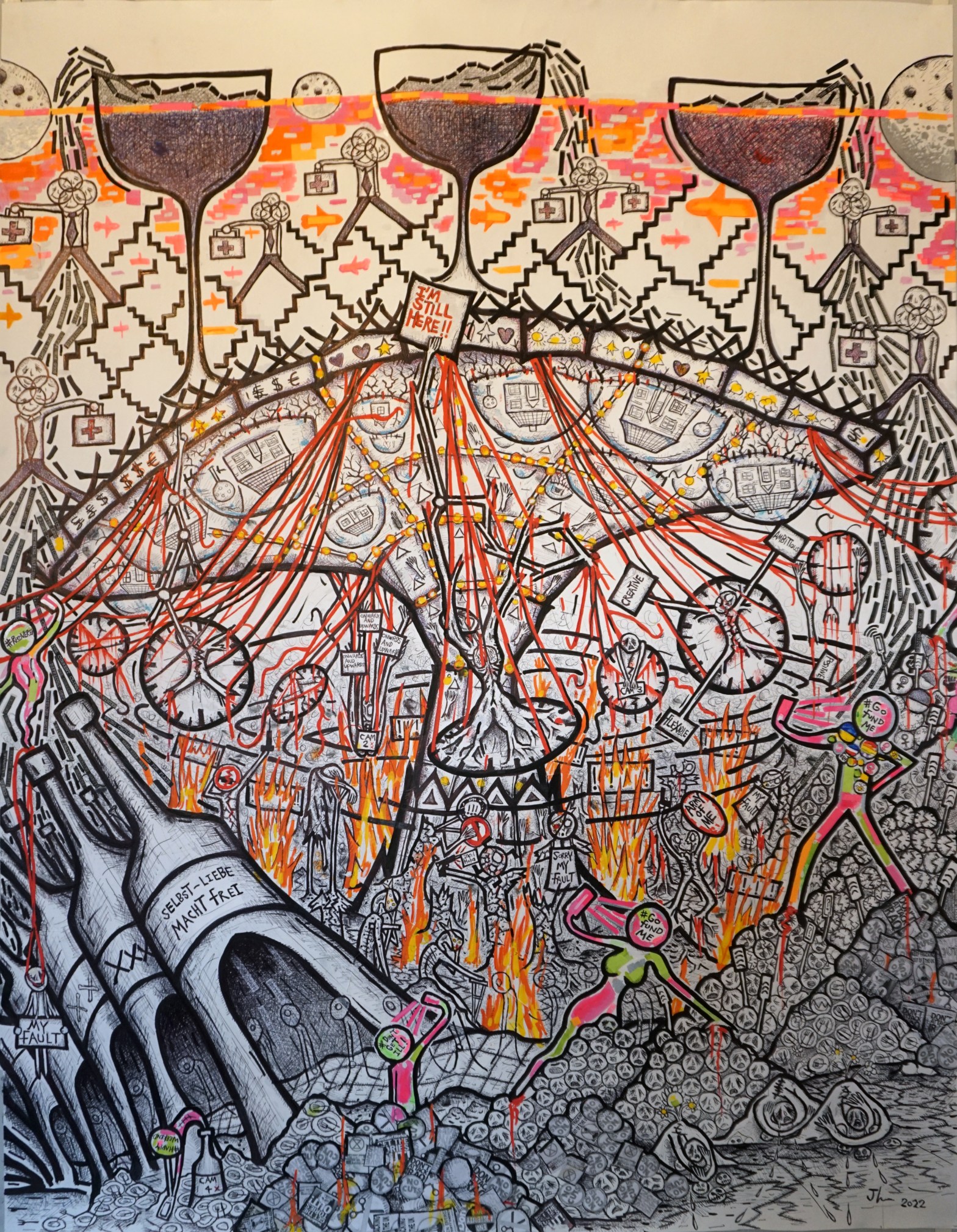
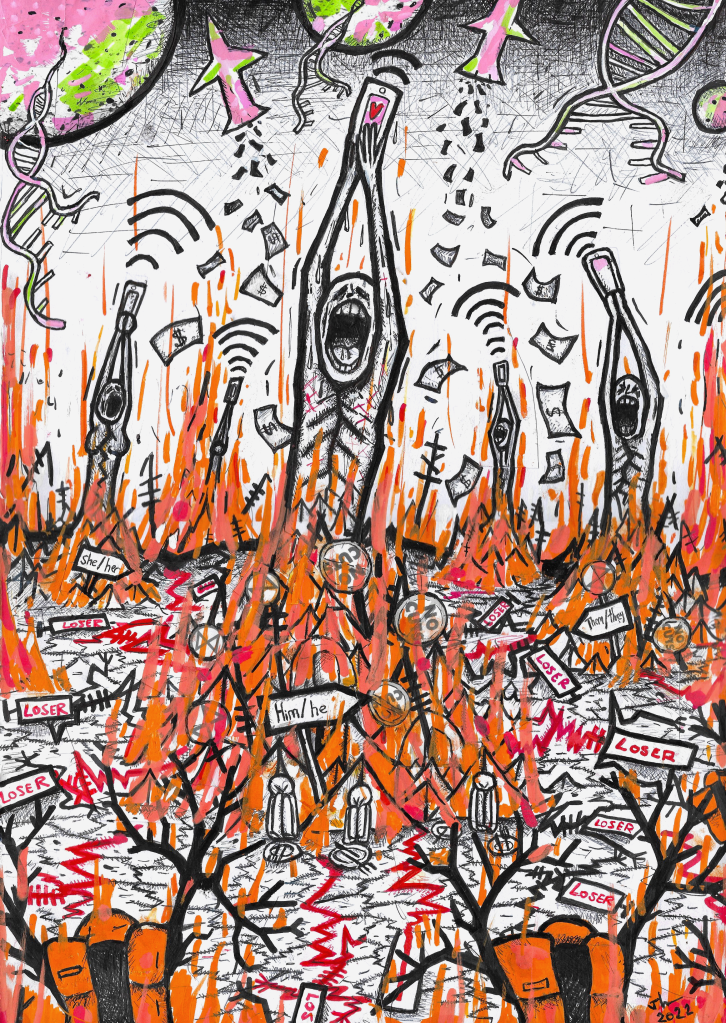
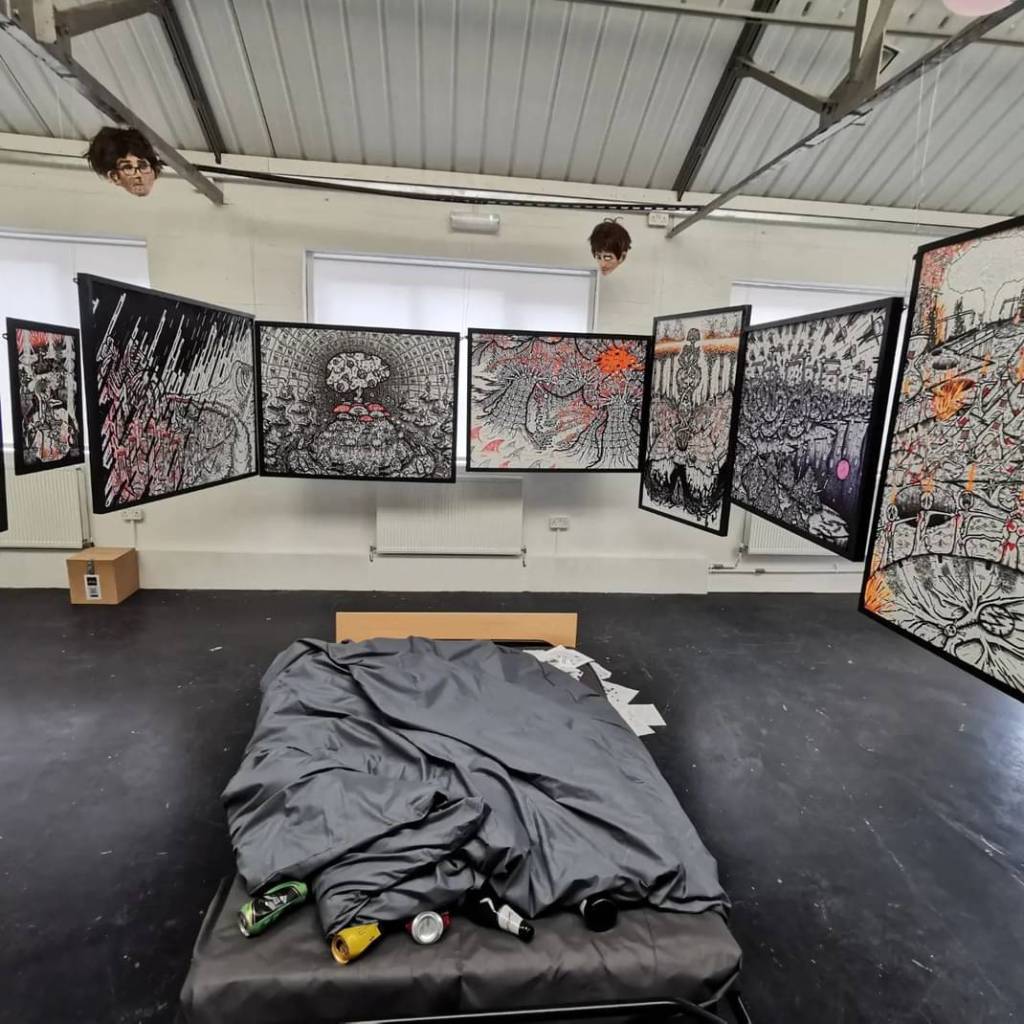
Please to introduce my new work ‘Hell has too many faces’

Possibly the most idiotic thing I have ever made.
But I shouldn’t fear making idiotic blunders. No artist should.


…and maybe it is?
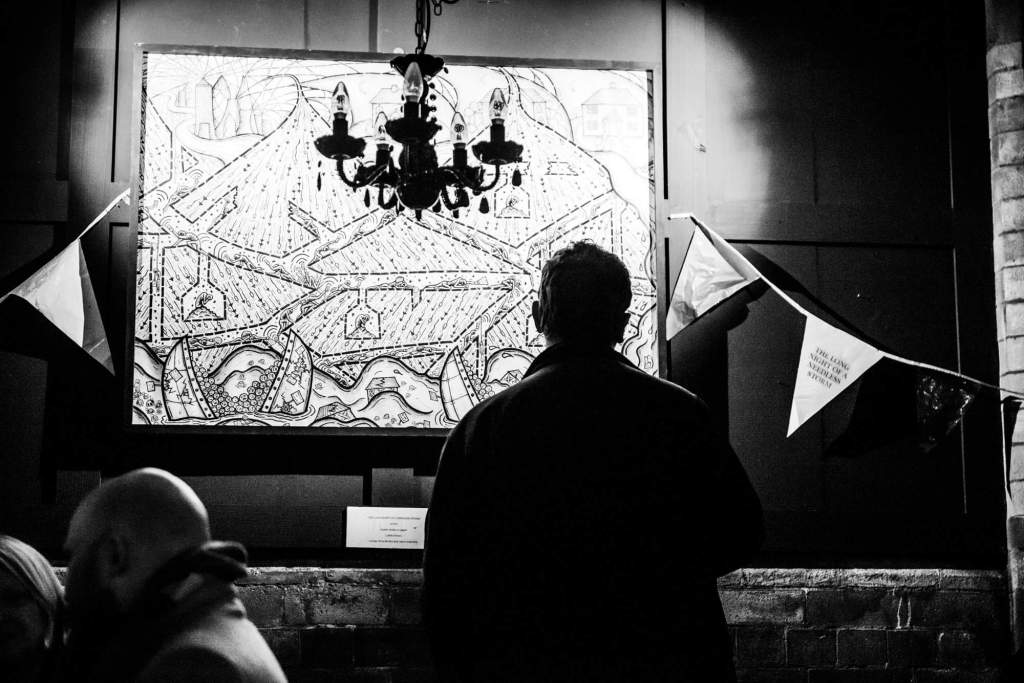
In Laura Grace Ford’s words (I think?) maybe I am also ‘always yearning for a time that has just eluded us’ as I see images of urban architecture that still existed around the time of the financial crash 15 years ago, but before each subsequent crisis, fracturing and dislocating our grasp on a continuity of such moments.
I could have looked at the nearby cities where much more redevelopment has happened, but there’s way enough in my home town, where all the memories still overwhelm, like they re-materialise, oozing out of the walls. Where the faces, the expressions are oh-so familiar; a specific hardened look almost unique to such a space, transcending the eras of late Blairism and the schizoid urban face-lifts of the Tory era.
...I’m working on a life-long project I’ll never get totally right, especially when it comes to this town, where it can’t be perfected because it is ‘lived in’.

Until 2010, most towns and cities around this area had their ample share of brutalist architecture, or at least architecture that, like the cars in these 2008/2009 camera reels, posses a trace of what I’d call a post-war normalcy – a look and feel of a slightly more egalitarian age, before every exterior and interior design project assumed form with the gaze of Instagram in mind.
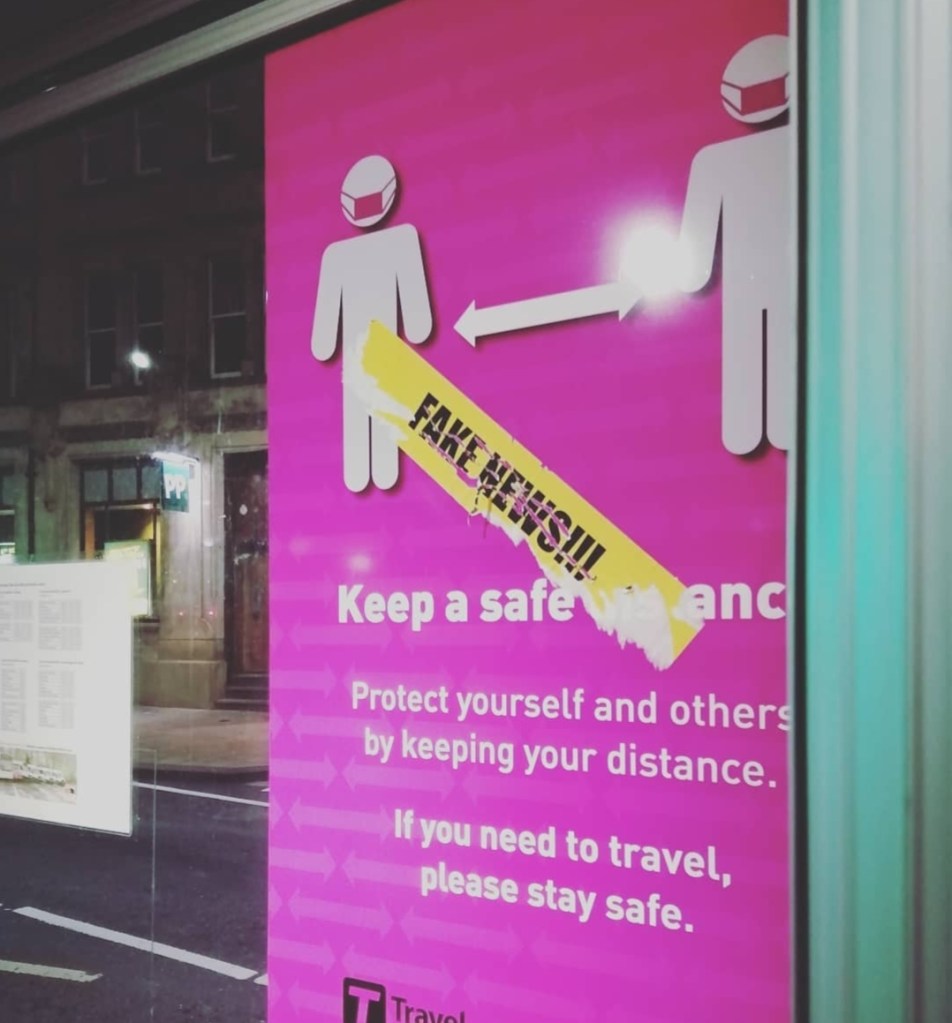
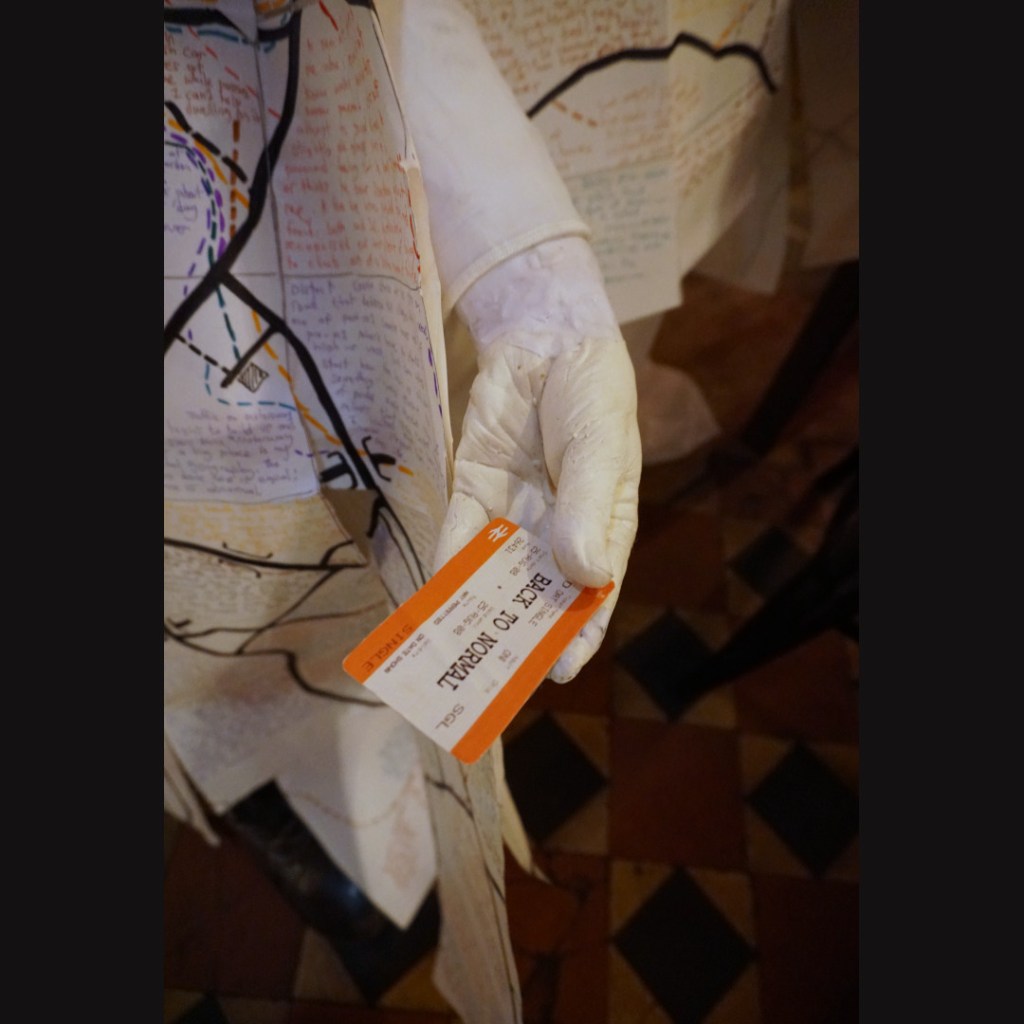
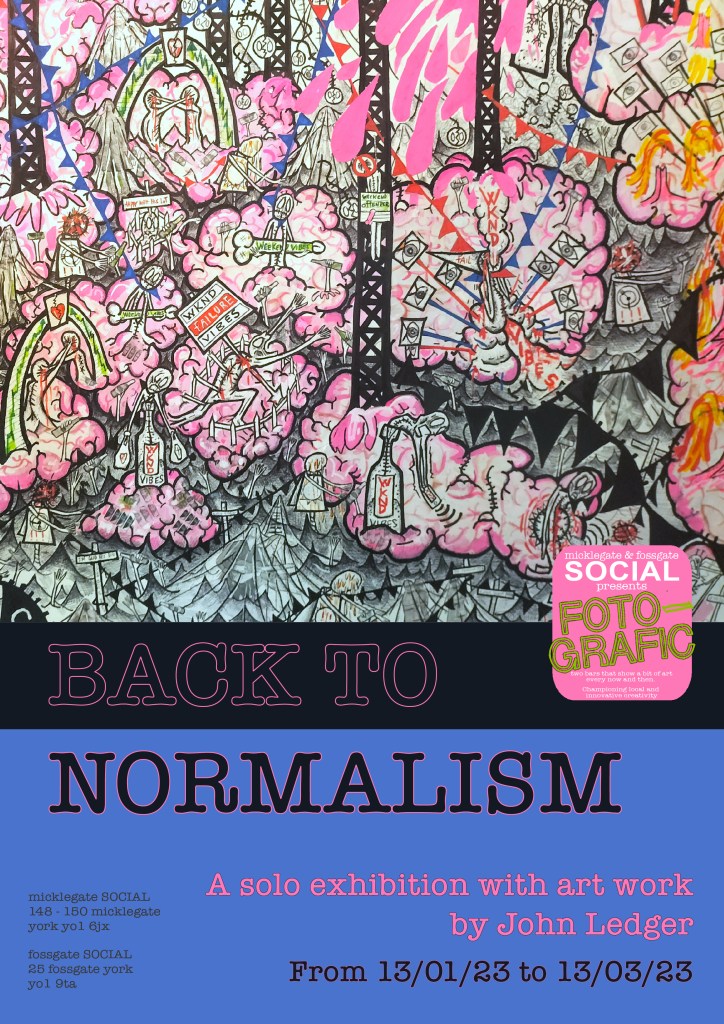
I find nostalgic trips quickly become quite unpleasant. But Google Street view doesn’t ‘feel’ past tense – it’s so central to our navigation of the present tense. We feel like avatars of the streets; both present and absent at the same time. Which is why it looks weird to see people wearing protective masks, in slightly less up-to-date imagery – like a reality slippage back into a moment that already feels paved over by the triumph of ‘Back to Normalism’.
When I found out about the ‘dates’ option on street view, it didn’t feel like the past in the way an old photo would. I admit that it was nostalgia that lead me here. A sense of loss, over something that seemed present, within me, prior to the 2010s. But it isn’t nostalgia I feel now I’m here. It felt like I could almost reach back into years like 2008 and 2009 – an ongoing reality, just elsewhere.

2008 and 2009 are a near-past, yet they totally cut from present tense. I put this down to the aforementioned design of the moment, the remaining buildings, clothes, cars and more. Contemporary redevelopments take the notion of non-place to something unimaginable in 20th century service stations etc. My friend likened the latest redevelopment projects to the latest iPhone upgrades, with all the right apps (Nandos, TGI Fridays, and the most in vogue style cafes and eateries), and I think he was touching upon how physical design and what we still feel inclined to call ‘virtual’ space have begun to be undistinguished in look and feel.
The design of 2008/2009 social space still seems to have a ‘bite’ to it; a resistance in its Dna to the confluence of onset of non-times and non-space.
Byung Chul-Han discusses how we live in a time of excess positivity, but with a poverty of negativity. He was discussing this largely in relationship to psycho-social and economic relations, in how this lack of a negative means that there is no ‘outside’, no Otherness which to relate to, push against, draw boundaries with, in space and in our own egos.
I believe this is equally applicable to the design of spaces, and I think the removal of post war architecture has in turn removed a resistance in space to the obligation to comply with whatever it is we are living in at the moment.
2008/2009, in its photo-flesh, reminds me of a time when I was already engaging in lost futures, (albeit bereft of that term at the time), listening to Kraftwerk, John Foxx, OMD and the David Bowie of Low, and drifting through these local urban spaces in how they looked back then. I miss it because I was still a young man, but I also had no smart phone – the tethering of the last long decade had yet to begin.
I think I’ve written all I can. Like my last post, it doesn’t really go anywhere.
But this ‘lived in’ project simply remains unfinished.

Of late I’ve more or less accepted that I’m unqualified to write even lazy cultural theory.
Much to my frustration, and after realising I was applying for a Phd I couldn’t do, I’ve come to accept that I’ll never get a job in teaching or writing about something that interests me so much.
In part this is because I didn’t earnestly want to. Try as I did, I could never get my head around turning something that feels so real, raw, and ‘lived in’ into a profession that I can switch off from, and not get visually fucked up by at times.
Equally I was borderline illiterate until my 20s. Apart from map books of the urban areas of Britain, I’d only read one book before turning 18. This was ‘Jurassic Park’, the kids’ version, about 50 pages long, and full of photos from the film.
By the point I got into reading ‘proper’, I was already far more confident in practicing art, where the rules and requirements of all other subjects could be warped and steered in a more bespoke direction.
However, it is Jurassic Park that I wanted to talk about here.
I bought this book in a shop in Perranporth in Cornwall. In the weeks previous I had been to see Jurassic Park, and the world had gone dinosaur crazy. This was exactly 30 years ago.
The summer of 1993 remains golden in my memories. No colour has been left behind with time.
I write a lot about depression and anxiety, but I don’t think I’ve ever really written about what it does to actual colour. When depressed and anxious, (and to be honest, you never truly come back the same), you can look at a colour and say ‘yes, that is a beautiful luminous green’, but you can’t experience it quite the same way. Memories from the late 90s onwards have significantly less colour in them.
Aged 9 in 1993 the world looked unbelievably lush – the horizons looked expansive and welcoming. As I looked out onto the Atlantic Ocean across Perranporth beach, the first time I’d seen a sea that wasn’t a mucky brown, I seriously felt like I was in a movie.
…maybe because to some extent I was?
The whole Geist, feel of the early 90s (especially to somebody like me whose family had recently come out of poverty, creating a palpable sense of relief) was exciting and so promising.
The 20th century had done its deeds; war was over, walls had fallen, new shiny shopping centres had opened, and I’d watched our local coal mine get demolished in a moment that felt personally symbolic: the past wouldn’t be my future.
This memory, this beach, this couple of weeks in the summer of 1993 seemed like a manifestation of every cinematic presentation of paradise I’d absorbed in the 80s.
And it was all channeled through the gates of Jurassic Park, which I’d seen at the start of these weeks.
The End of History.
For anyone who doesn’t know who Francis Fukuyama is or what he said, perhaps it’s good to begin by saying that what he said at the beginning of the 90s wasn’t as important as the fact that he had a world that wanted to believe those words.
Between 1989 and 1991, the fall of the Berlin Wall, the Tiananmen square protests and the fall of the Soviet Union, we witnessed what Fukuyama termed ‘the End of History.
He didn’t mean that there would be no more historical events in human history, but that our Modern understanding of history consisting of competing ideologies and social systems trying to build a better world, had reached its final expression in a Western model of Liberalism and Capitalism.
He was criticised then, but even more now for saying something so sweeping and arrogant. But it was the fact that the world, or at least enough of the Western world, wanted this promise, in what Paulo Virno (I think?) said was a wish for an ‘escape exit from both the 20th century and any historical responsibility’.
Who could blame them, really? We wanted the world that twentieth century cinema and adverts had promised us, a paradise liberated from the shackles of historical debts. And the 1990s, the final decade of the century were the ideal terrain.
What I’m saying is that to some extent the 20th century was an Hollywoodisation of reality, and by the 1990s we collectively tried to manifest this. And, for me, the perfect expression of this was Jurassic Park.
Was Jurassic Park not, if only by accident, a transcript for a ‘post-politics’ future, where a Western hegemonic system was so at ease with itself that we could now turn to a playground of ideas that included cloning dinosaurs?
Were the citizens of East Germany not just behind a concrete wall, but metaphorically in front of the gates of Jurassic Park, through which a post-political paradise on earth was beckoning? Weren’t these gates also the metaphor for the plasticly-neoclassical gateways into new world of then-shiny food and shopping chain stores that were splashing bright colours up and down Britain’s previously dreary coal soot-stained main roads?
Be careful what you wish for?
The rest is the history…
Not the end of The End of History, but a slow and whimpering end to its ability to convince.
To an age of disillusion, were we can see behind the stage set. Where we see ourselves, toiling away out of habit and obedience for things we no longer believe in.
Yet who were the dinosaurs? Who did they turn out to be, but history itself, museumified, thought safe to look at behind glass.
David Graeber when speaking about the UK in particular said that our best export of recent times was our defeat of the working class, by which he meant the UK’s weakened unions and political apathy left it a very safe place for foreign investment and international tourism (we’re all trained people-pleasers here now).
Indeed working class life is now in museums here. In places like Beamish, a town recreated into a living model of life 100 years back.
All the while, we all really exist, as working poor, in hospitality, health care and other services jobs.
We are the dinosaurs in Jurassic park, we are the history that can break out of its museumification. Which doesn’t lead to me to making a rallying cry – I’m far from the right person, far from in the right place, far from in the mood to do so (And there are many examples that prove it has already happened, or at least continues to threaten to happen).
Whether we are the subdued working poor, striking in countries like the UK, or the people who have instigated movements against global oppression throughout the globe in the 21st century, aren’t we all the dinosaurs from Jurassic Park?
Yet, what if what holds us back is the fact that we are simultaneously both the tourists and dinosaurs at Jurassic Park?
Is Jurassic park not also the gentrified streets of our cities, the oven-ready (Instagram-ready?) lines of real ale bars and eateries offering toned-down options from around the world? Where work and leisure become 1 in places like the gymnasiums? Are we not both the dinosaurs eating the tourists, and the tourists being eaten? The T-rex and the coward in the toilet – the eaters and the eaten in this staggering and battered End of History reality?
And I have nothing left to say on this really, I just want to wish Jurassic Park and the end of history a happy 30th birthday.
I can’t come to terms with the fact it’s 27 years ago.
It’s my fault, I guess, for getting stuck in this amber. Although I cannot be held responsible for the formation of the amber itself, I need to accept some responsibility for getting so stuck, and in turn unstuck from the world as it continued to turn.
It’s just that I woke up with 1996 in my head this morning, with memories that I haven’t been acquainted with for some time because I the cringe of them made me repress them.
“Can you remember when Ledge went dead broad Yorkshire?” my friends would say to me in the following years at high school, kind of intended to cause me embarrassment, as it did so.
It’s true, much to the criticism of my mother, who expressed a now partly-gone way of marking differentiation within the working class, between those who were respectable (who she identified her family with) and those who were ‘common as muck’, who I was apparently talking like. She also wanted to get as far away from the poverty of post-war Britain and then life under Thatcherism, that she was slowly changing the way she spoke, which in turn made me feel ever more embarrassed.
In hindsight I was beginning to feel cut loose from any order of things, and any senses of belonging or authenticity. Coming from a working class family on a small cul-de-sac of private houses, within a larger council estate, I felt like an impostor. I was too soft, had no hard edge, which seemed like a mandatory tool in the survival tool box, and I embarrassingly went on walks on a Sunday rather than hanging around outside the shops, and watched David Attenborough on a Saturday instead of Gladiators and Blind Date.
Yet, I wasn’t a middle class kid. There was a road that split my village between the council estates and the proto-Barrett estate style estate (with even more pretensions pertaining to affluence). These were built roughly at the time that the M1 motorway brought commuter life to the community, and I certainly wasn’t one of them.
My search for authenticity resulted in a hyper-Yorkshire accent, and an obsession with my family tree. This need for belonging developed to a need to fit in at school, which saw me trade in my interests in palaeontology and trees for football and Adidas clothing.
In hindsight, I was a sensitive child who had been pricked by something in the cultural atmosphere, something that would afflict seemingly everybody 20 years later, as we all clamber for an authentic selfhood in a neoliberal climate where all signs pointing to salvation increasingly tell us that we need to find our true self.
That we are so lost in the first place is indeed due to the trauma of the individual competitiveness of neoliberal culture just proves we are all still in the same picture, still being gaslit, but it’s just the colours and tones have faded from the golden hues of the 80s and 90s.
But am I projecting? Surely all expression is produced at the intersection of the interior and exterior. Which means it’s always hard to see where one ends and the other begins.
1996 seemed like a safe plateau after 20th century history had done its deeds. None of us could have known what was coming, regardless of how you interpret the following decades.
I felt lost, but I had a plan to fit in, and the future seemed to be welcoming me. What I now realise is that this sense of being of no place would evolved, and the horizon got closer, into the 3 A’s of anorexia, art and alcohol.
“What do you want to be when you grow up?”.
I had no idea of how to go forth into this future, and who really did? I remember the GCSE years of 98-2000, with the laughable job search programs on the old IT class computers, which had such limited scope that nearly all the lads in the class got the job opportunity ‘dog groomer’ as an option.
Most of these ‘lads’ have gone on to have children, and have parted into lives roughly defined by whether they moved away into university culture or stayed in more manual vocations within the area.
And in truth I was part of a subsection of a larger group of mates in my year who would have probably been diagnosed with ADHD if we were at school in 2023, who probably still exist on a contemporary minimum wage. We just weren’t aware soon enough that we were ill-fitting pieces for the reality constitution in front of us.
Anyway, 1996 is a colourful year in my mind. Perhaps one of the most colourful.
Admittedly depression, both in its dormant and active character, has dulled the colour of life in the years that have followed. But 1996 is still luminous, in the greens, golden yellows and oranges, and pinks. It seems to emanate out of the pop music, the clothing, the TV ads and even the ten pence chewy bars from the nearby Costcutter.
Our current retro addiction, our drowning in the nostalgia of past futures that we feel we’ve lost, has created a culture-wide habit of fetishising the 80s, 90s and even 00s to the point where it’s very likely that my memories have been photo-shopped, so to speak, ever since.
However, the colour-drainage that has followed suggests more of the aforementioned intersection of my own experiences and the evolving larger cultural mood.
There is part of me, and important part, that is still admittedly stuck in the golden amber of the 1990s. I know what it is, I know it’s part depression that has forged an illusion. But as things stand, embarrassed as I am to be returning to these subjects year after year, I don’t know the way of bringing closure. But perhaps it’s precisley because I’m not the only one?
‘The Ever-aftermath’ (2023).