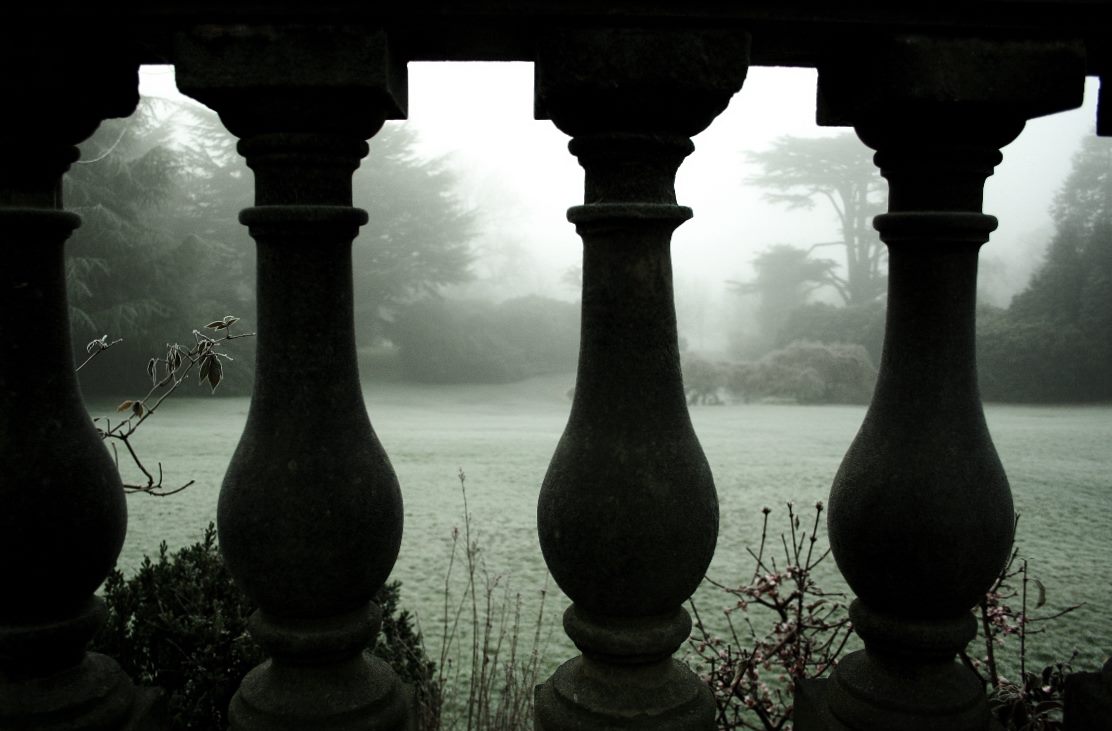
Yorkshire Sculpture Park: the citizen’s park that never was
The following views are about an insider, albeit of no particular significance to the organisation, who wasn’t disgruntled, but who lamented and mused from the gallery benches over what this place could have been.
I spoke recently to a friend about how travelling by a city metro system feels so much better than bus travel, because the former has the ability to make you feel like a citizen, whereas the latter can often you feel like a pleb trapped in urban serfdom.
It’s like we can understand how we are treat as part of a society by how the design of architecture and infrastructure makes us feel. How things are designed impacts how we have to travel and exist within urban and suburban space – and we may, through emotional response, find ourselves feeling these questions:
Do I feel truly welcomed here?
Do I feel valued?
Do I feel part of something bigger than myself?
I suspect if you silently answered “no” to the last question, you are not alone…although you also are. Herein lies a problem.
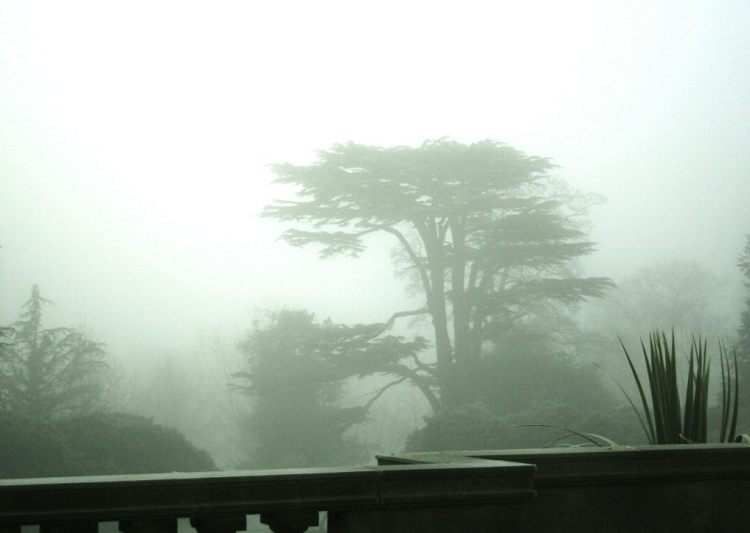
Admittedly I dont actually want to talk about cities. I want to talk about the urban in the non-urban. And one place in particular that has had a big impact on a big part of my life. A ‘citizen’s park’ that never was: the Yorkshire Sculpture Park.
Something has been confirmed in the news this week that more or less finalises a sort of long death of a dream. A dream that may have only been held by those who still felt it and thought on it: a dream of social democratic progress, you could say.
But for myself and a few other friends I met whilst working there, its locus became one specific place.
It was announced that an exclusive private members club, which began in 1980s Soho is going to open another venue. This venue will be in the former Bretton hall college campus, which hasn’t been in use since Tony Blair was Prime Minister. Although not owned by the Yorkshire Sculpture Park, it is in the core of the landscape and is inseparable from it.

I started working at ‘YSP’ as a gallery attendant aged 23. This was just 3 months after the university campus on these grounds had been closed by the University of Leeds. I initially found a very laid back, relaxed place, only interrupted by the countless amount of visitors wanting to see the Andy Goldsworthy exhibition.
Once the Goldsworthy show had gone, I found myself in a situation that I still mourn as it could never occur again. I was naive, but bursting with creative ambition, and utilising a unique but unintended opportunity to literally get paid whilst sat reading books, and developing my creative ideas, inside an artistic environment (where I probably got more of a university education than I got doing a Bachelors in arts degree in my home town) I began to form a strong bond with a place that was still only technically 3 miles from where I grew up.
I could walk to the Sculpture Park in 45 minutes from my home on the outskirts of Barnsley. As the place slowly began take up a pivotal place in a mental map I was slowly building for a post-industrial Yorkshire and its unrealised potentials, the park no longer ended at its official border, and bled into the respective West Yorkshire and South Yorkshire conurbations at either side of it.
Although this may sound ridiculous, a naive fantasist’s thinking within the REAL we exist in, I began to envisage myself within a “municipally owned” landscape: a ‘citizen’s park’ for a somewhat-urbanised population that disjointedly existed either side of this one of many pockets of lush greenery within post-industrial Yorkshire.
But I believe there is good reasons as to why I felt like this.
Working here, where I felt heavily judged for not doing anything ‘proper’, I had enough grey-space time to read about something that I was all around me here, emanating in particular from the derelict architecture of the college campus: ‘lost futures’.
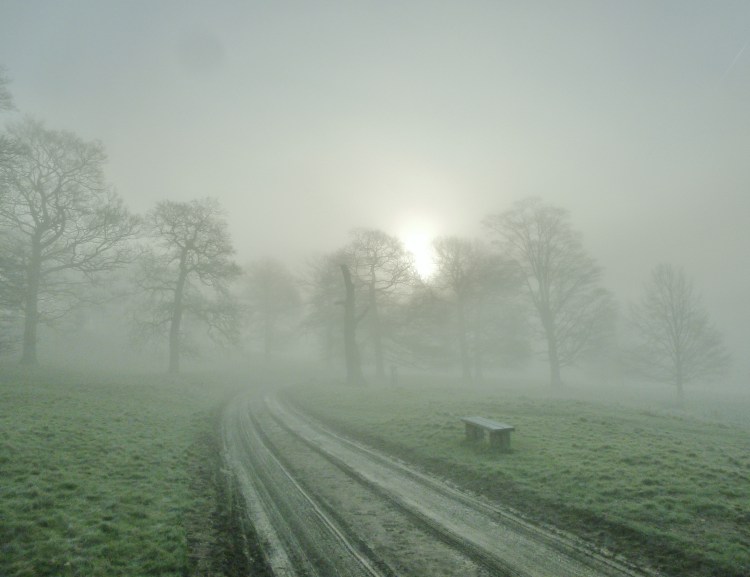
The Yorkshire Sculpture Park began as land laid to waste by the Normans, and was then given to a family called the Dronsfields around the 13 century. Over the late middle ages it became owned by the wealthy Wentworth Family, under which most of the construction of the present day hall and the landscaping of the pleasure park (in the style of Lance Capability Brown) was done in the late 18th century. A rich family who had all the ‘mod con’ features for a rich family in the emerging colonial super power of Great Britain, the estate family name became Beaumont at some point in the 1800s.
However, by the 20th century things were changing, and after being taken over by the War Office during the Second World War, it then became a teacher training and arts college. For the first time this park and many parks like it up and down the land, had a more social democratic feel to them.
The idea for the sculpture park was conceived inside the house (Bretton Hall) which was now surrounded by Post-War architecture for student residence and facilities.
Peter Murray, who was teaching art at the campus, thought up the idea for a ‘European style sculpture park’ in 1977 whilst the dreams of post-war social democracy were still yet to be ultimately defeated by Thatcherism.
Murray wanted it to be a park for Modern sculpture, and with two of the leading 20th century sculptors coming from the region (Barbara Hepworth and Henry Moore) it must have felt like the ideal place to build, what I believe was at heart, a Modernist Dream.
Murray envisaged “a gallery without walls”. And only those who stubbornly refuse to extrapolate this beyond the literal idea of a building, can deny that this was an ambitious iteration of the earlier 20th century Modernist impulse to make art a part of everyday life for everybody: the Yorkshire Sculpture Park was born.
By the early 2000s, in a time of much more generous funding towards the arts by a government trying to build a ‘culture industry’ and with funding coming to areas in former coalfields from the EU, YSP became the giant arts venue that it is today.
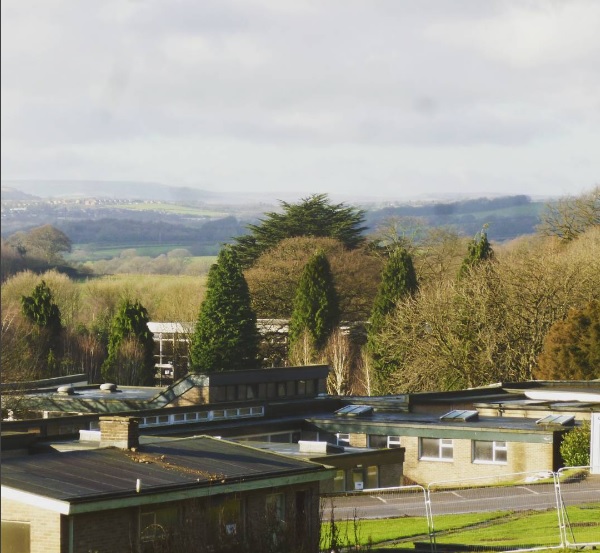
In 2024, I think it’s fair to say that the sculpture park has not become what was perhaps initially envisaged.
But I think this is because that it was envisaged within a world which is no longer.
….it’s a question of what happens when a dream that becomes reality suddenly finds that reality has altered around that dream.
The Modernist Dreams, and the Social Democratic dreams weren’t identical, but were very compatible, and were thus both already fading into a sealed-off yesterday as Thatcherism and it’s war on the idea of society succeeded by the late 80s. But the YSP continued to grow in a different kind of reality.
By the time of Tory cuts, the YSP was ‘too big to fail’ as staff would often say. But after over 10 years cuts to public funding its founding ethos has been forced to bend beyond recognition. However, during the Pandemic restrictions to the park no longer allowed just anyone to walk into the land, and a flat charge to enter place has remained in place since.
The news about the opening of a ‘Groucho club’ which was set up and frequented by a more ‘arty’ crowd than the image of a ‘private members club’ may give you, might sound exciting to many. And I’m not here to argue against that. But all I see, to use a term used by Mark Fisher and Laura Grace Ford (sorry, can’t recall which one came up with it), is ‘Restoration Capitalism’, the return of what was once promised as accessible to everybody now returned to the property owning class.
As I’ve said, the ‘New Ruins’ of Bretton Hall Campus, were not officially part of the sculpture park. But they are undeniably at the heart of this landscape. They are the centre from which the overall ethos seems to emanate. Whilst it remained recent ruins, the park was haunted by the residue of a post war dream. You could detect traces of something other to a current world in which the purpose of art for everybody is all too often and so easily bastardised into a form of ‘artwashing’ for private endeavours.
This is no fault of the park itself; a vision born into a reality where it was forced to bend into something else in order to survive. And in one sense there is nothing wrong with what the sculpture park has become.
It’s true that engagement with art has never been greater; and the contemporary emphasis on public engagement has only good educative intentions.
And as much as I’d enjoy moaning about the survivalist tactics for arts and culture generating some of the most absurd and annoying situations (we once had to stop a wedding photographer taking a photo of the bride and groom drinking champagne next to an exhibition about a starving child in the South Sudanese famine) I know that it’s just venting over a more justifiable case: the longing for a citizen’s park.
 John B Ledger