
From what began as a good opportunity to exhibit at a decent gallery in the region, A Radical Redemption became a meticulously obsessed-over project. Having had to initially cancel, when things got a little too much, I got a new opportunity for the exhibition to go ahead in the May 2022.
I’ve been producing work and exhibiting work (more intermittently) since 2007. I returned to study fine art at Masters level in the late 2010s, in need of a much-needed boost, and graduated 3 months before our collective continuity was brought into crisis by the pandemic.
However, the past two years have been incredibly productive, developing some of my most critical work, although always trying to interrogate the Zeitgeist, increasingly more introspective in its interrogations.

A Radical Redemption came along not so much as an idea, but as a need, to interrogate the friction between the pervasive idea of free will VS the idea of causality, specifically in relation to guilt, shame, toxic masculinity and possible privileges, specifically from the vantage of the “lived in”; from the vantage of somebody who has long term mental health battles, and has and does sometimes act in ways that are potentially indirectly harmful to others as well as himself.

Why? Well to begin with, if I was to be asked how to describe collective human behaviour in our current moment I would say that it is like we have approached the last ten years, enabled/encouraged by social media to point the finger at others, who we see as responsible for things. Without knowing it, we are behaving as if the fate of global society is already doomed, and we are in a chaotic show trial, finger pointing at those who we see are to blame; a logical conclusion in a sense for a world in despair. Not to suggest that some agents of contemporary society do not have more complicity in the situation than others, but is this not the outcome of the slow erosion of collective responsibility due to decades of neoliberalism?
Am I guilty? Well, I wouldn’t have taken on this exhibition on such an introspective level if I didn’t feel guilt and complicity in the production of the ghosts that haunt today’s grievances.
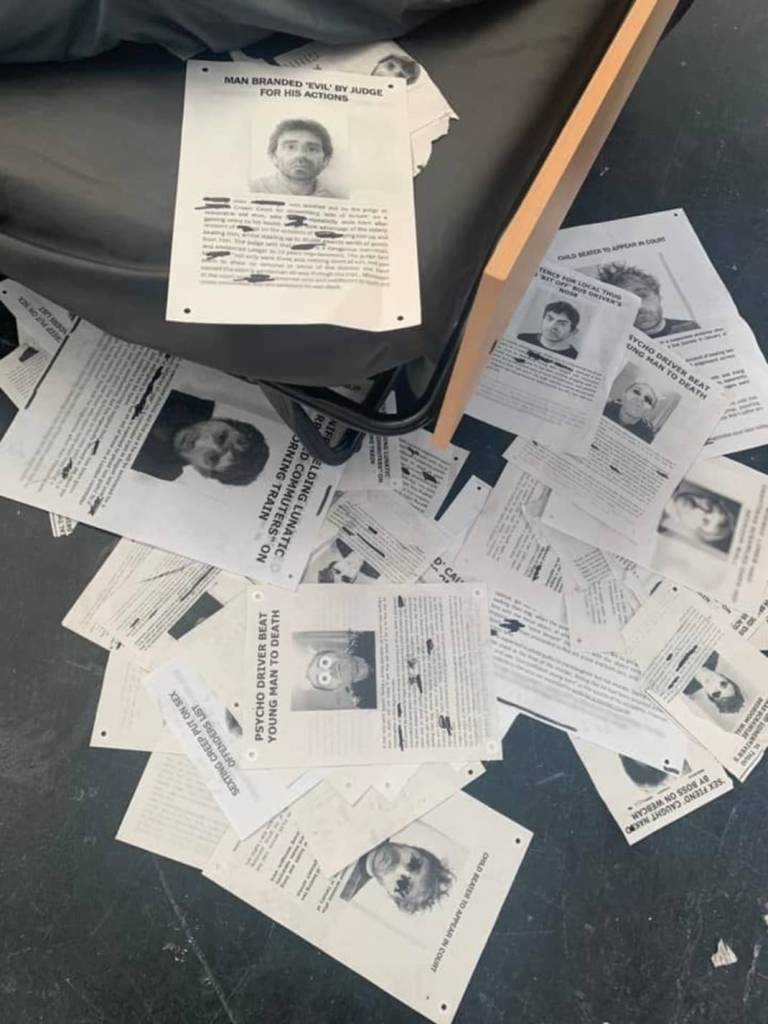
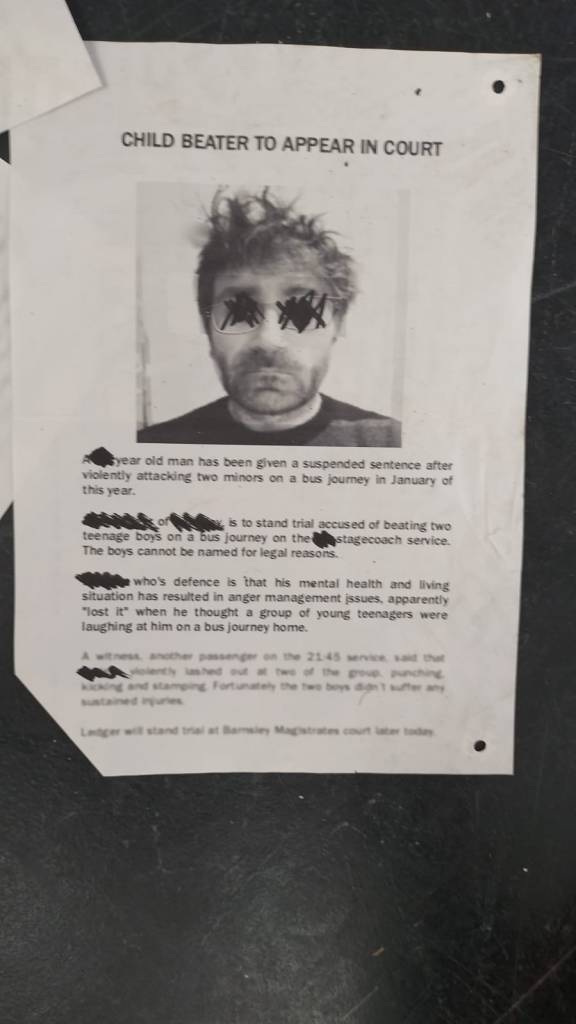
I guess this felt too much at one point and this is why I felt the need to initially cancel, not least for the fact some of the work was trying to take the idea of redemption to its logical limits, namely by creating newspaper criminal mugshots of myself, committing crimes. Some of these crimes where more understandable than others, others monstrous in the eyes of society.

What it did bring home was how deeply I am effected by an internal interrogation of my actions, caught between the two pillars of Free Will and Causality.
Of course Free Will is the most pervasive of notions. Not only does neoliberal society double down on the idea that we are all self-interested rational agents of our own destiny, but even in pre-Modern societies when crime could be seen as an external evil that had taken over a tragic subject, the individual would nonetheless be made to feel punishment, even if that punishment was to rid the evil from the body, as opposed to purely blaming the individual for their own poor choices.
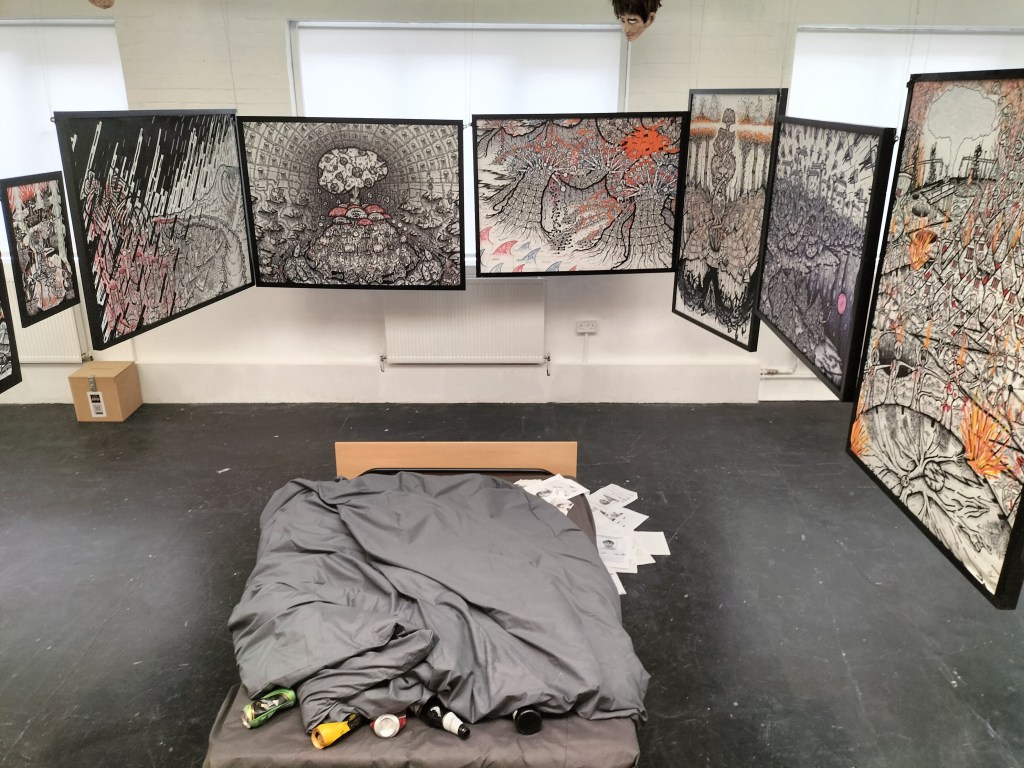

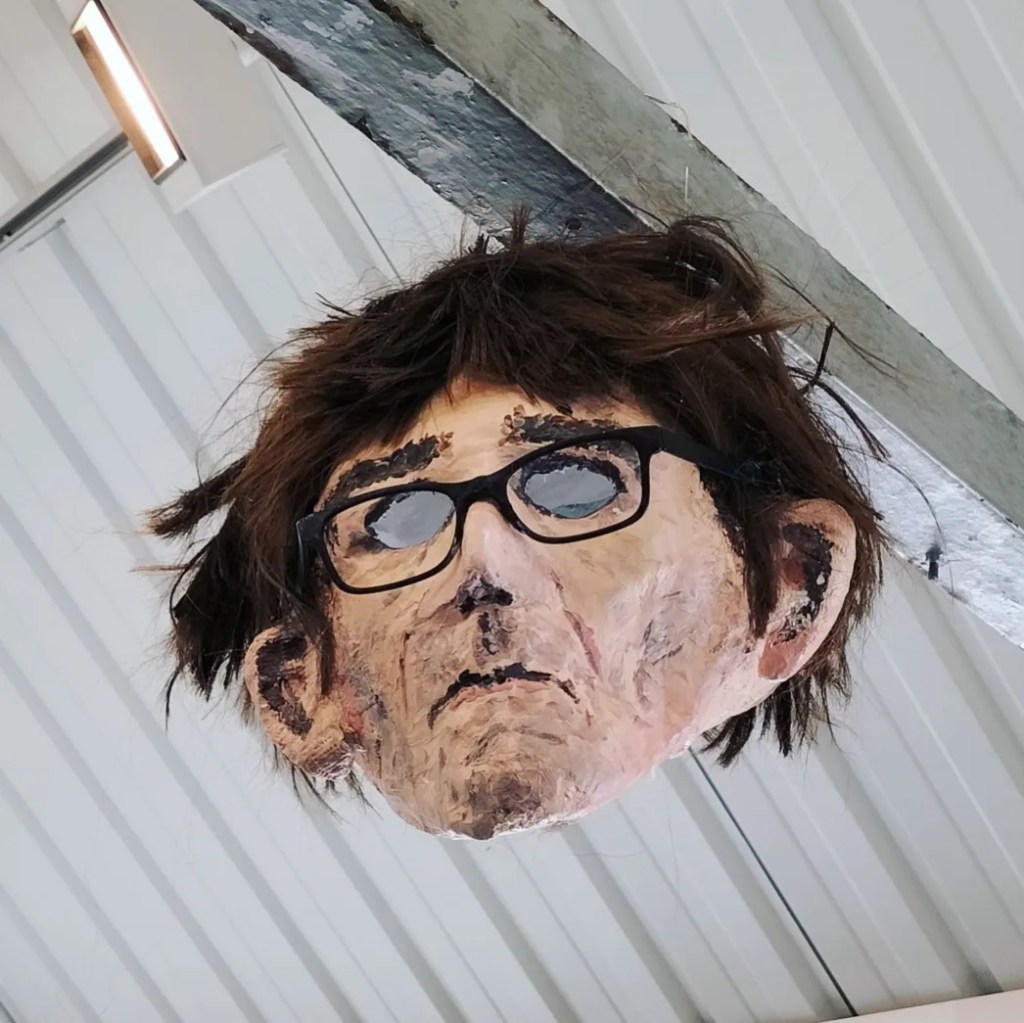
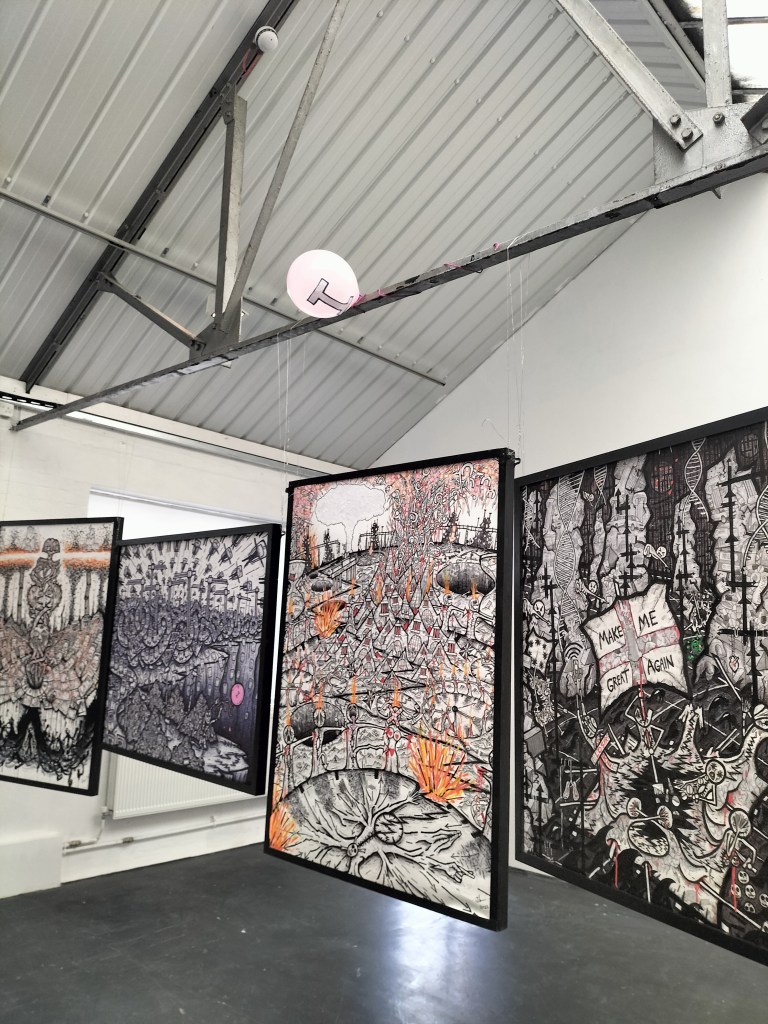
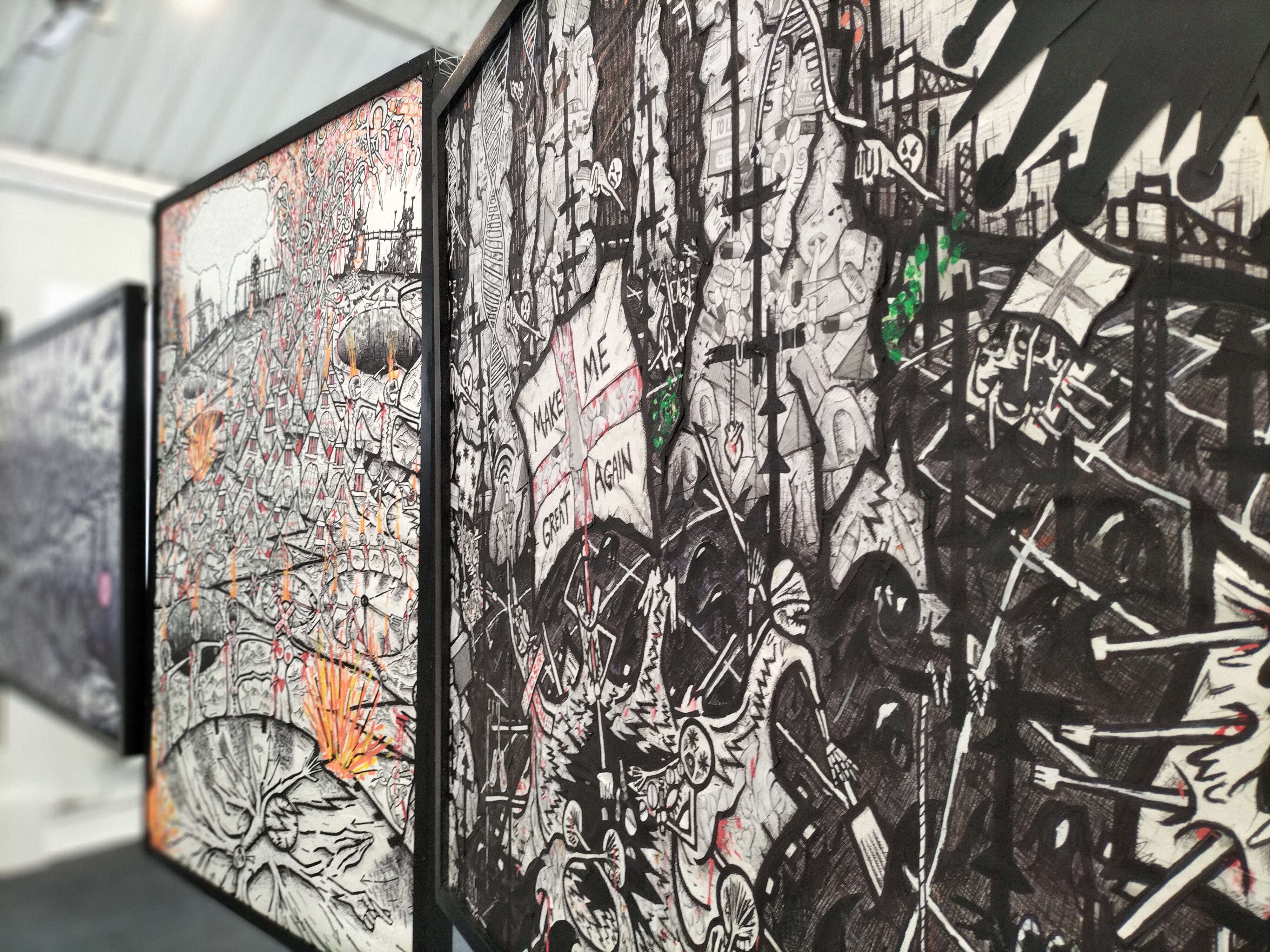
Over almost fifteen years of exhibiting I have been known mostly for the large scale drawings I have created. Initially mainly in biro, and initially formal critiques of capitalism and climate chaos, what I have realised in their development throughout the years is their persistent interrogation of this friction between free will and causality. In my own constant battle to grasp autonomy from the ‘Tides of Society’, the name of my first Sheffield-based exhibition, in 2010.
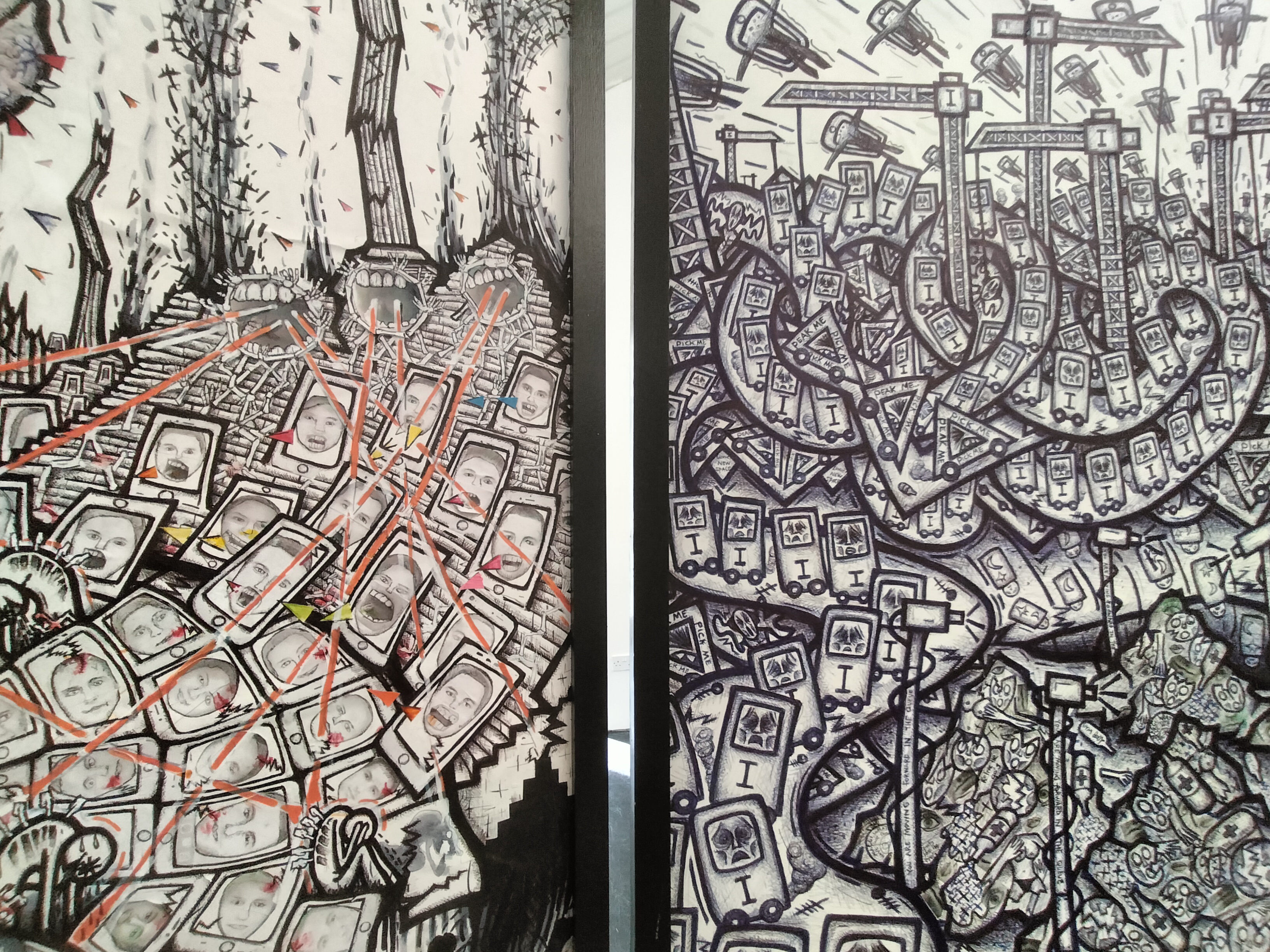
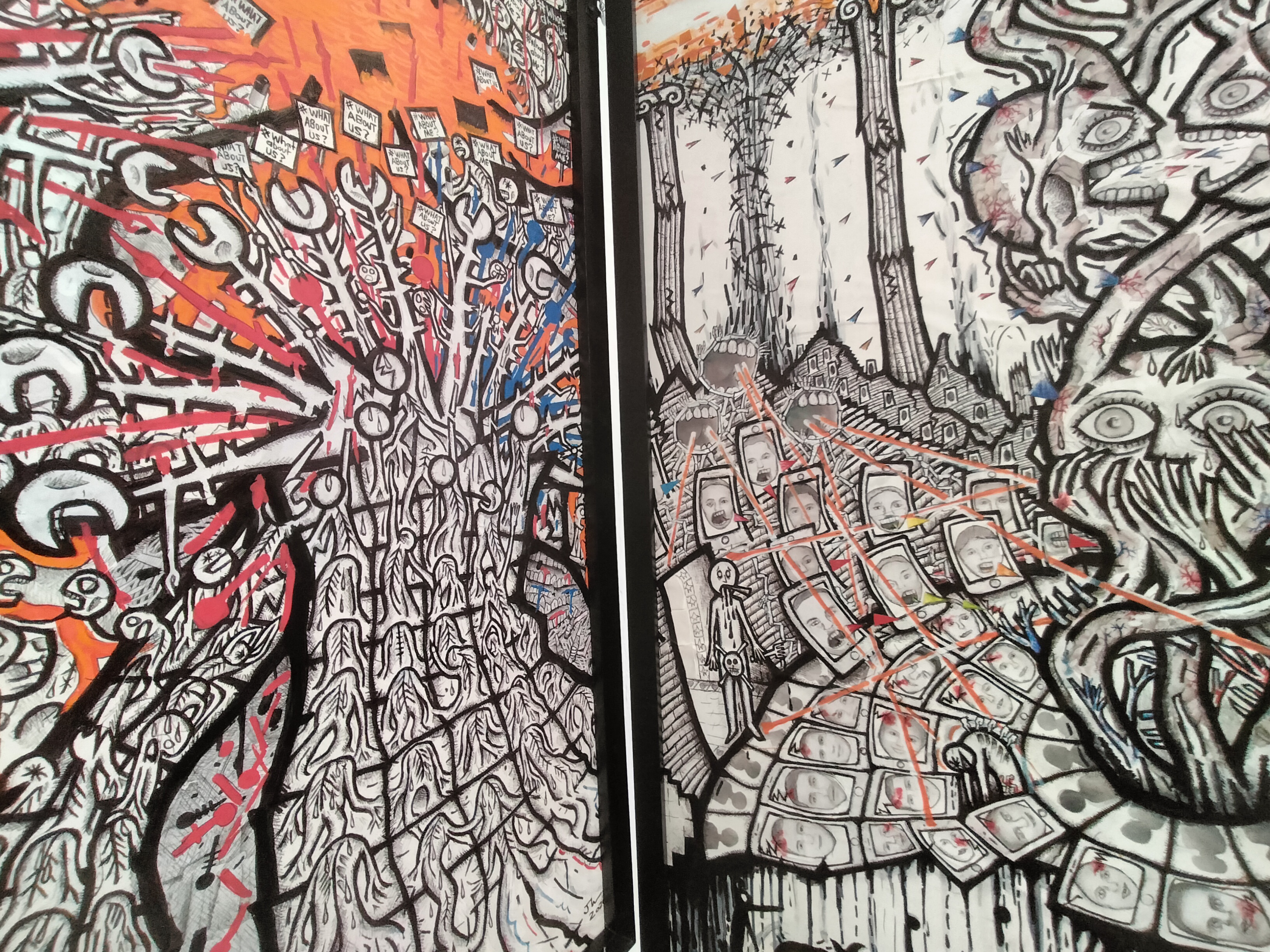
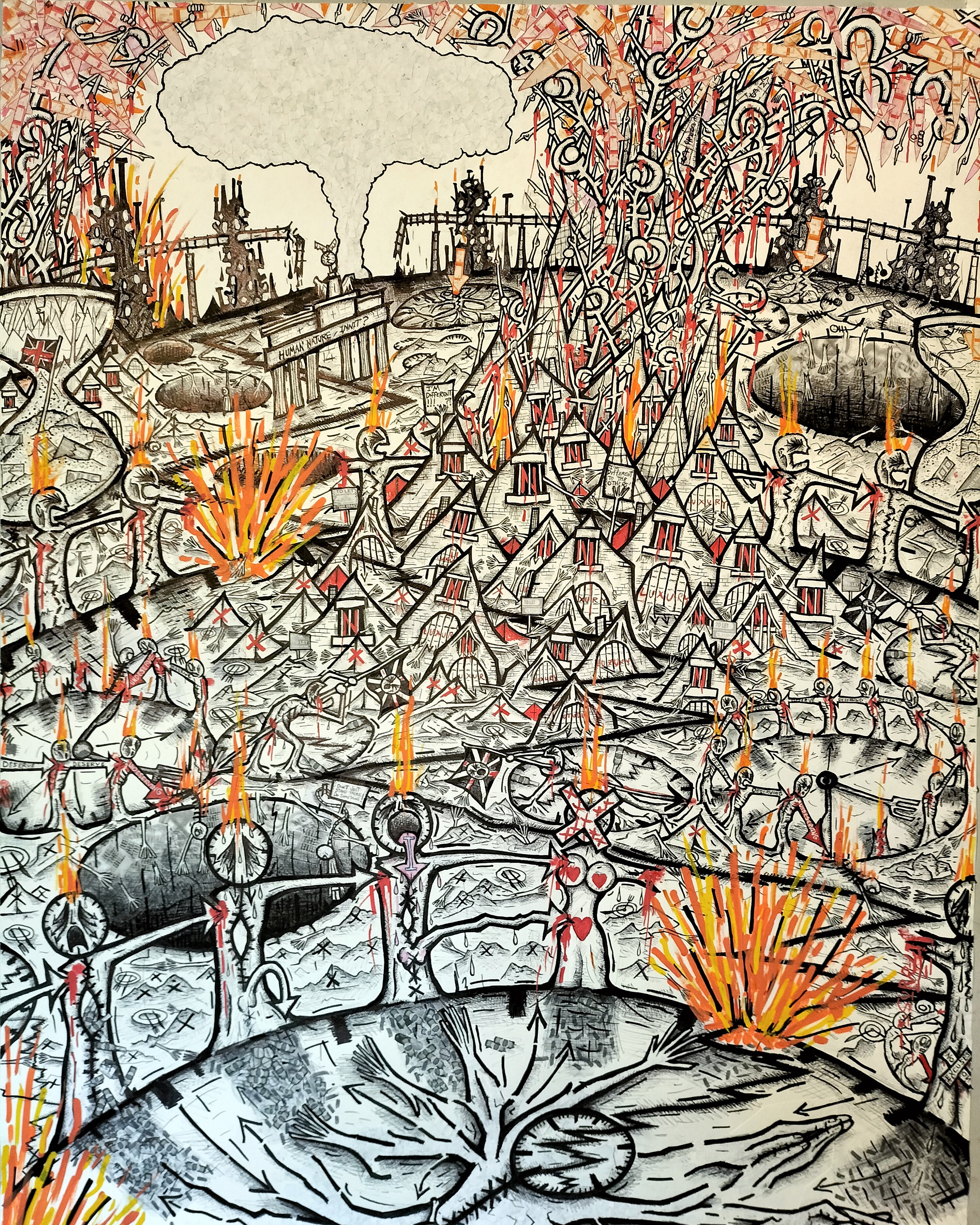

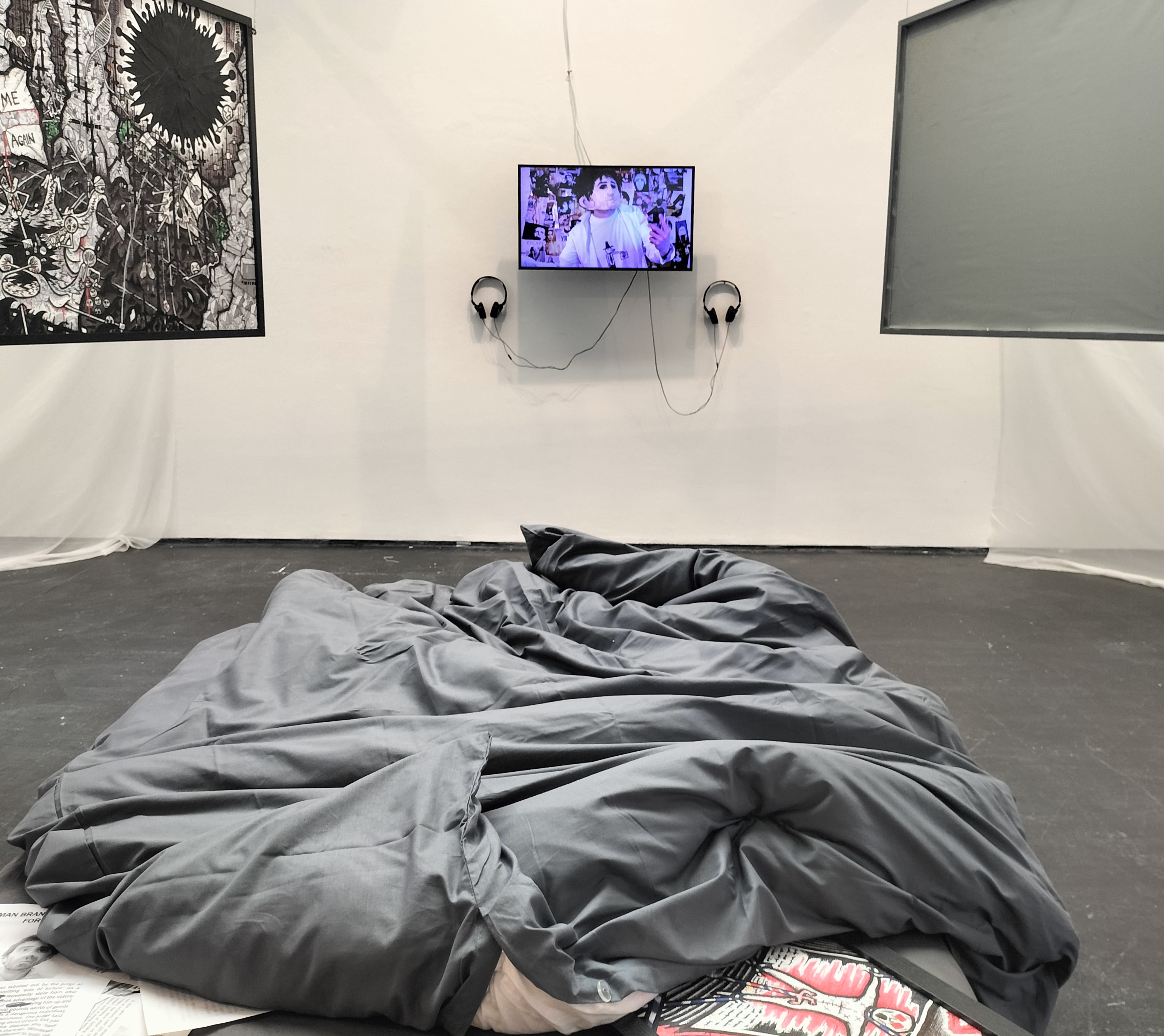
The exhibition revolves around a central installation, a “inverted panopticon” suggested by my close friend, and fellow member of The Retro Bar at the End of the Universe, John Wright, who helped curate the exhibition.
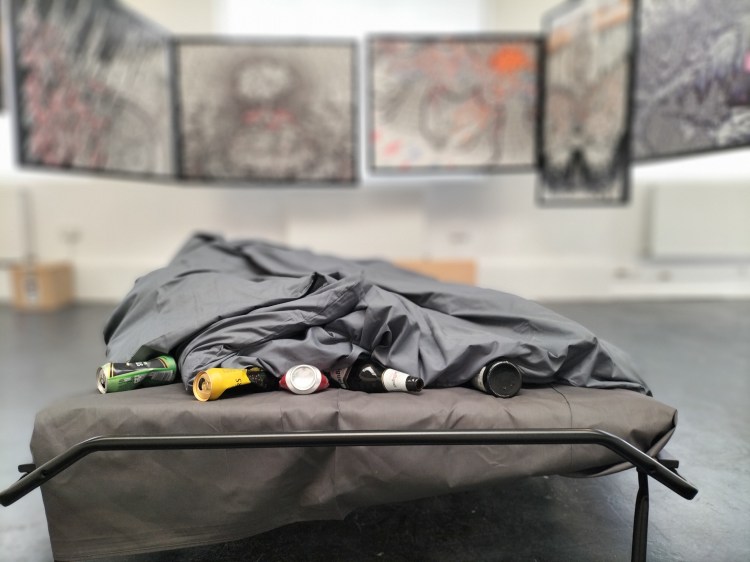
We collectivised a body of drawings into a panopticonal installation, revolving around a quite familiar thing in the art world; an unmade bed. Over the past years, I have not only started to recognise elements of toxic masculinity, carried residually from a cultural different past into a living, breathing present, but I also recognised similarities in my life experiences with what is called Incel Culture (men who “can’t get laid, or get successful jobs, but yet associate themselves with that idea of masculinity, and respond to this by creating a toxic culture of often violent hatred to women and themselves). The unmade bed felt like it was no longer Emin’s but my own, a ‘lived in’ bed for my own mental health in 30’s adult hood, my addictive behaviors disrupting functional life, as my own toxic masculinity rising to the surface, laying into me for “failing” to self actualise, whilst encouraging harmful behaviours to continue.
Self Criticism.
A pervasive aspect of my particular mental health issues relates to a pervasive self-criticism, where even often encouraging and helpful voices, ones that encourage one to take leadership of their life for their own well-being, end up being turned into sneering inner critics themselves. This is perhaps the most pervasive reason as to why the work and life I pursue have remained perhaps in a semi-quagmire for my entire adult life, and this exhibition felt like the right space to talk more about this.
Felt like I had to be as honest as could to open the debate up on all the other issues the exhibition looks into.
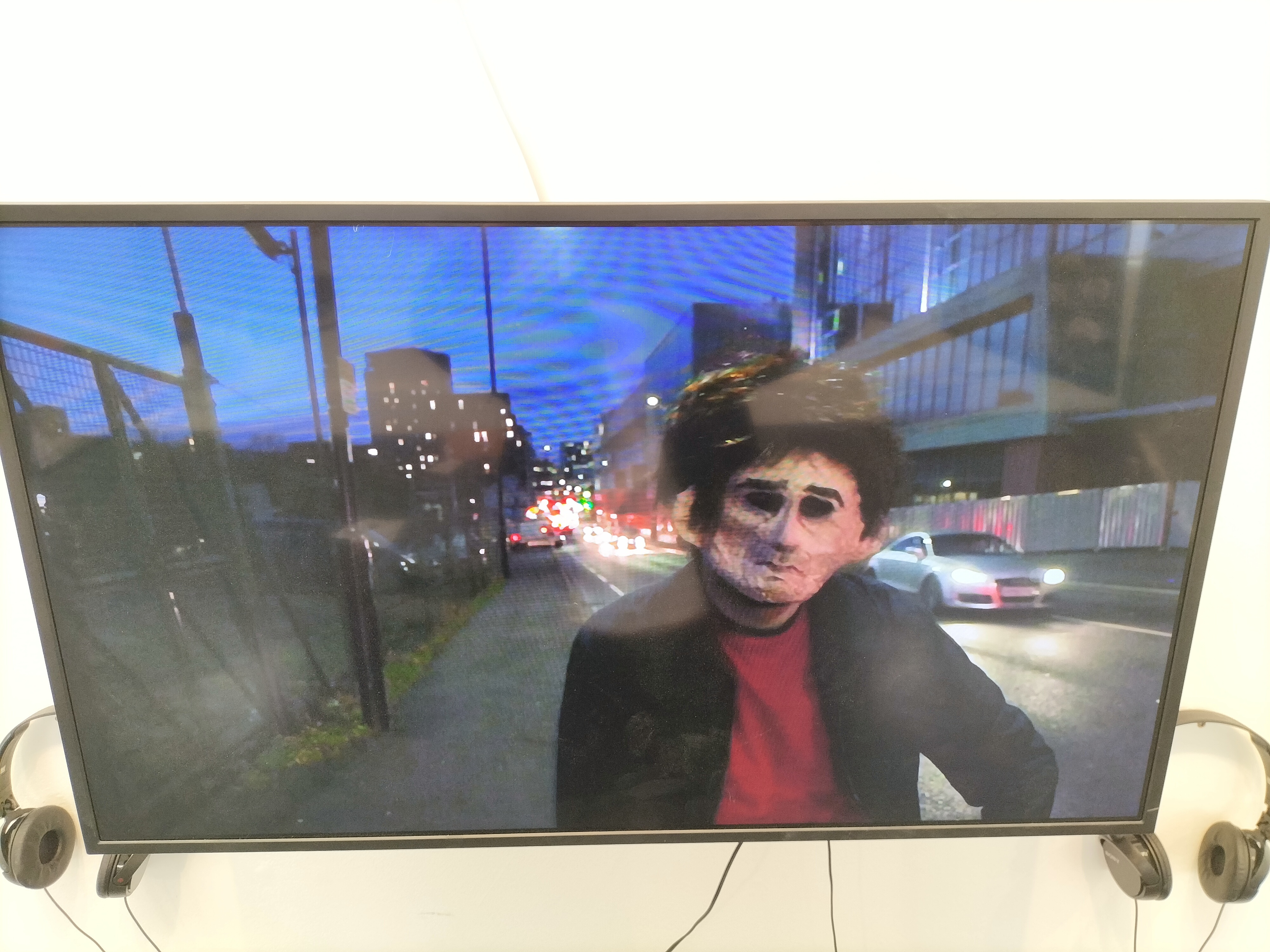
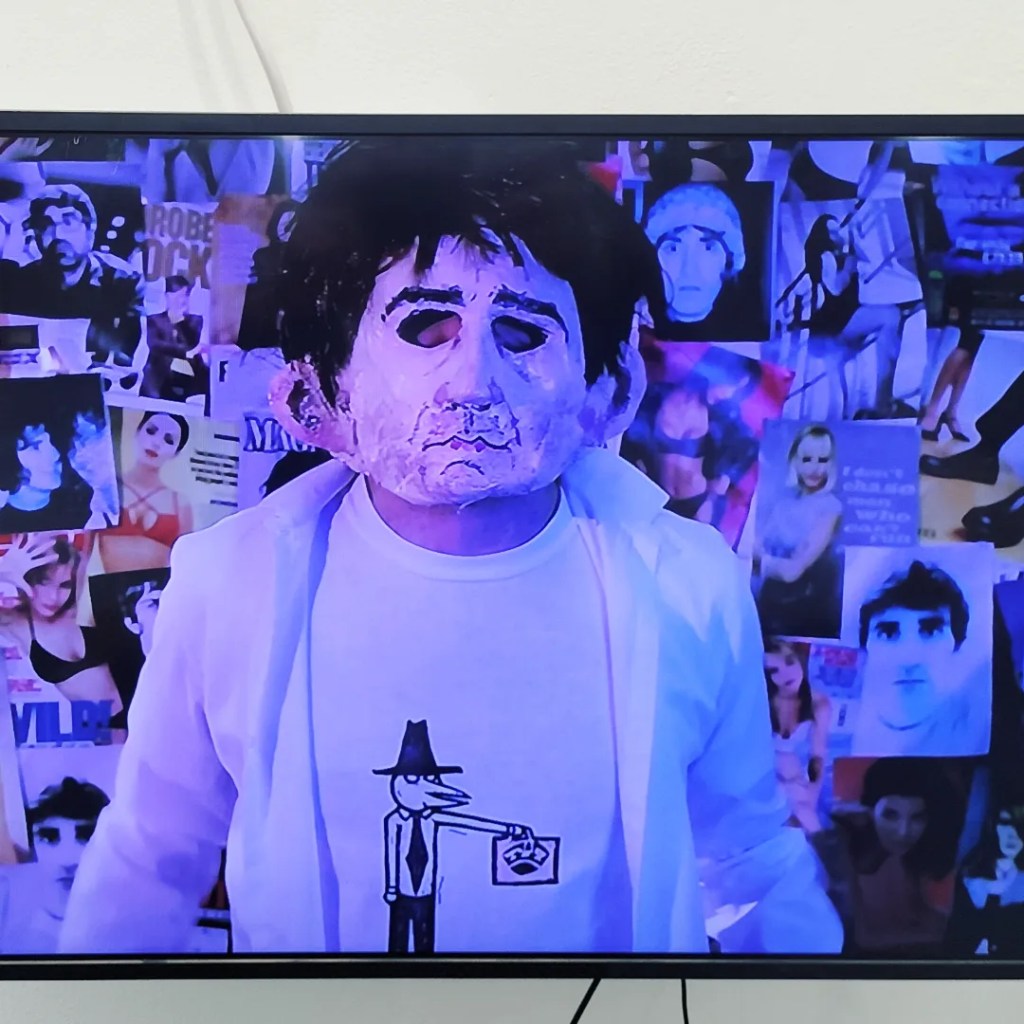
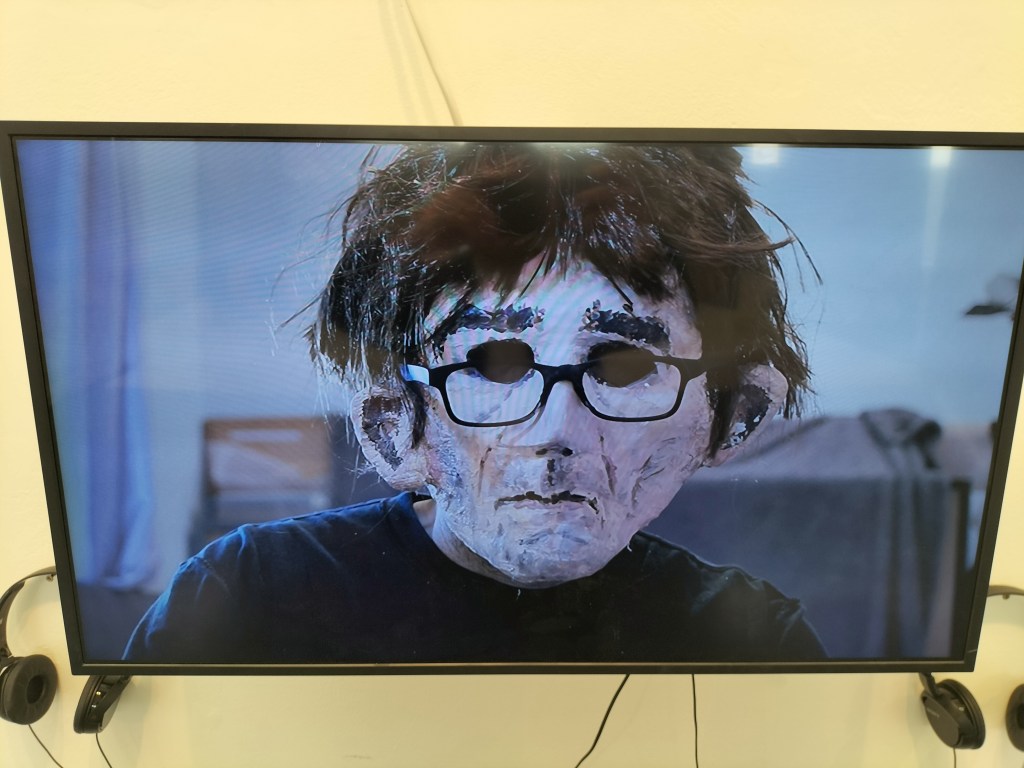
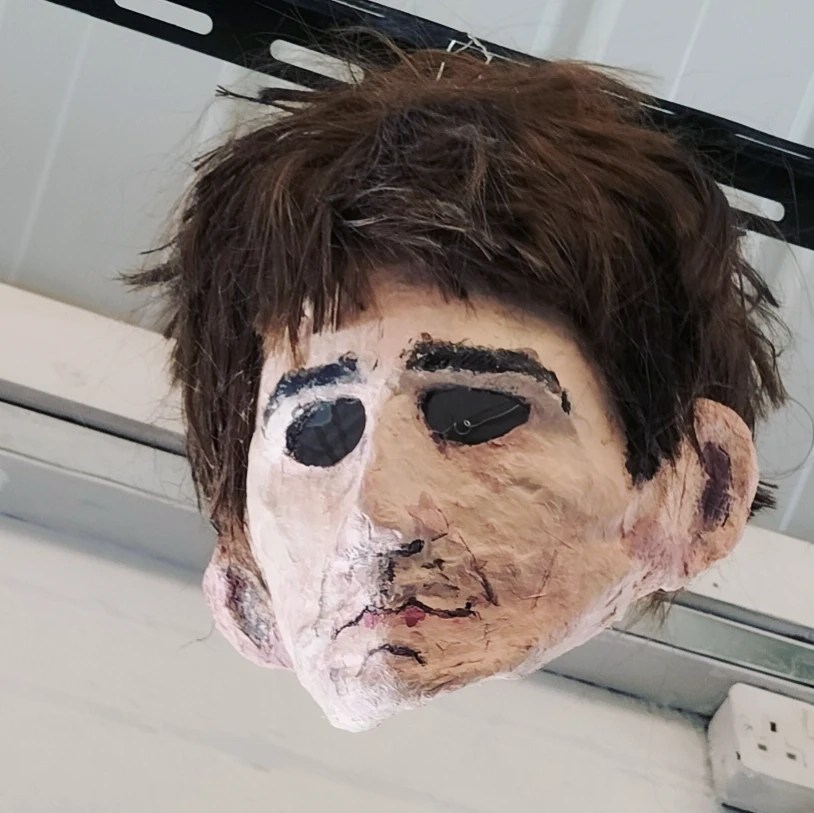
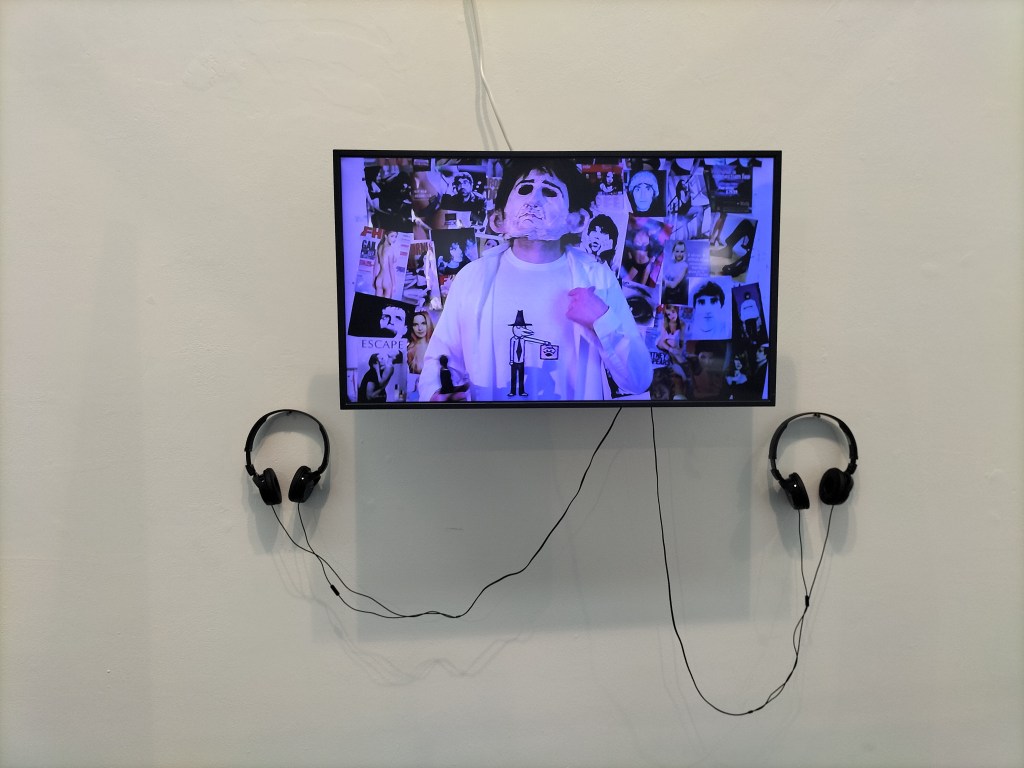
The internal panopticon thus culminates in a film called ‘I’m sorry for what I’ve done’, a film that tries to look at toxic masculinity, addiction and self destructive from the vantage of a fragmented, critical self. Specifically connecting the fears we have of ‘being left’ behind; the film is haunted by 90s and 00’s culture, a time where things that then seemed normally, seem disturbing under the present-day spotlight.
Politics and the Other.
Despite the intense introspective elements, my work is always trying find new ways of interrogating the present and trying and usually failing to find new ways of thinking about our society collectively.
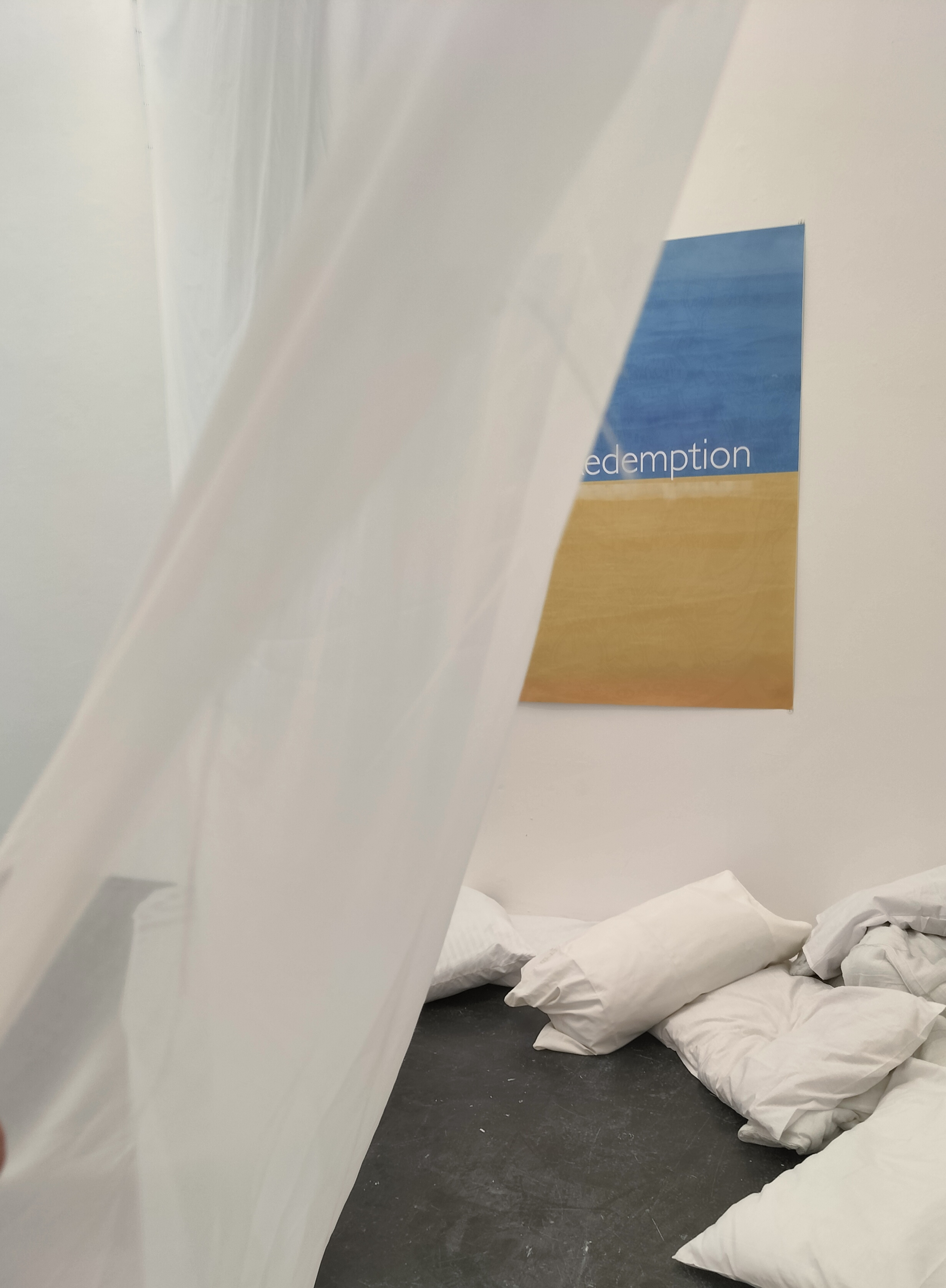

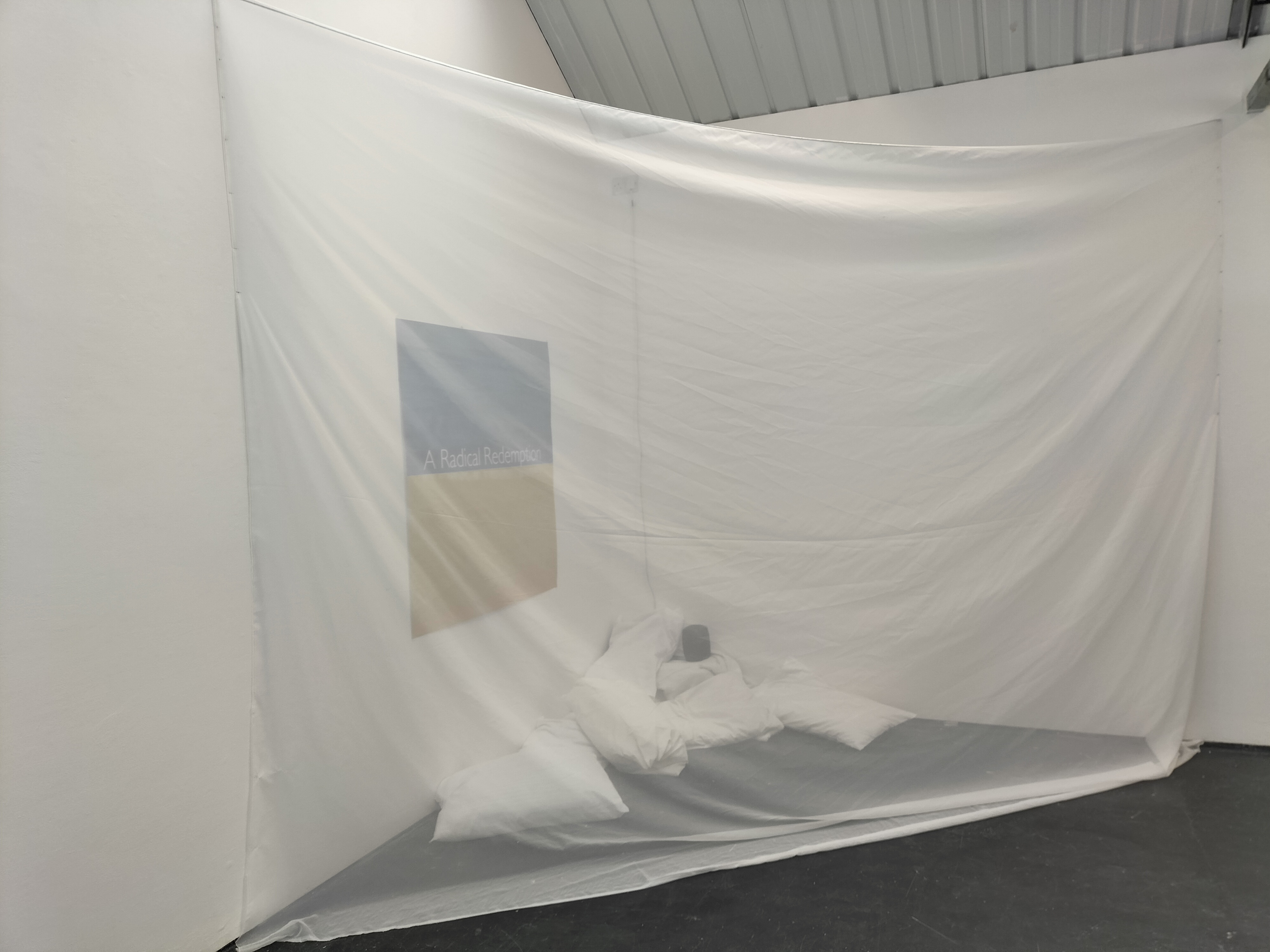

The internal panopticon is enclosed, yet, it reaches out to a collective work, a call out I made last year for people to speak honestly and anonymously about their private guilts/shames in relation to their hopes/desires. These parts of the show became an audio work that was visible but not accessible.
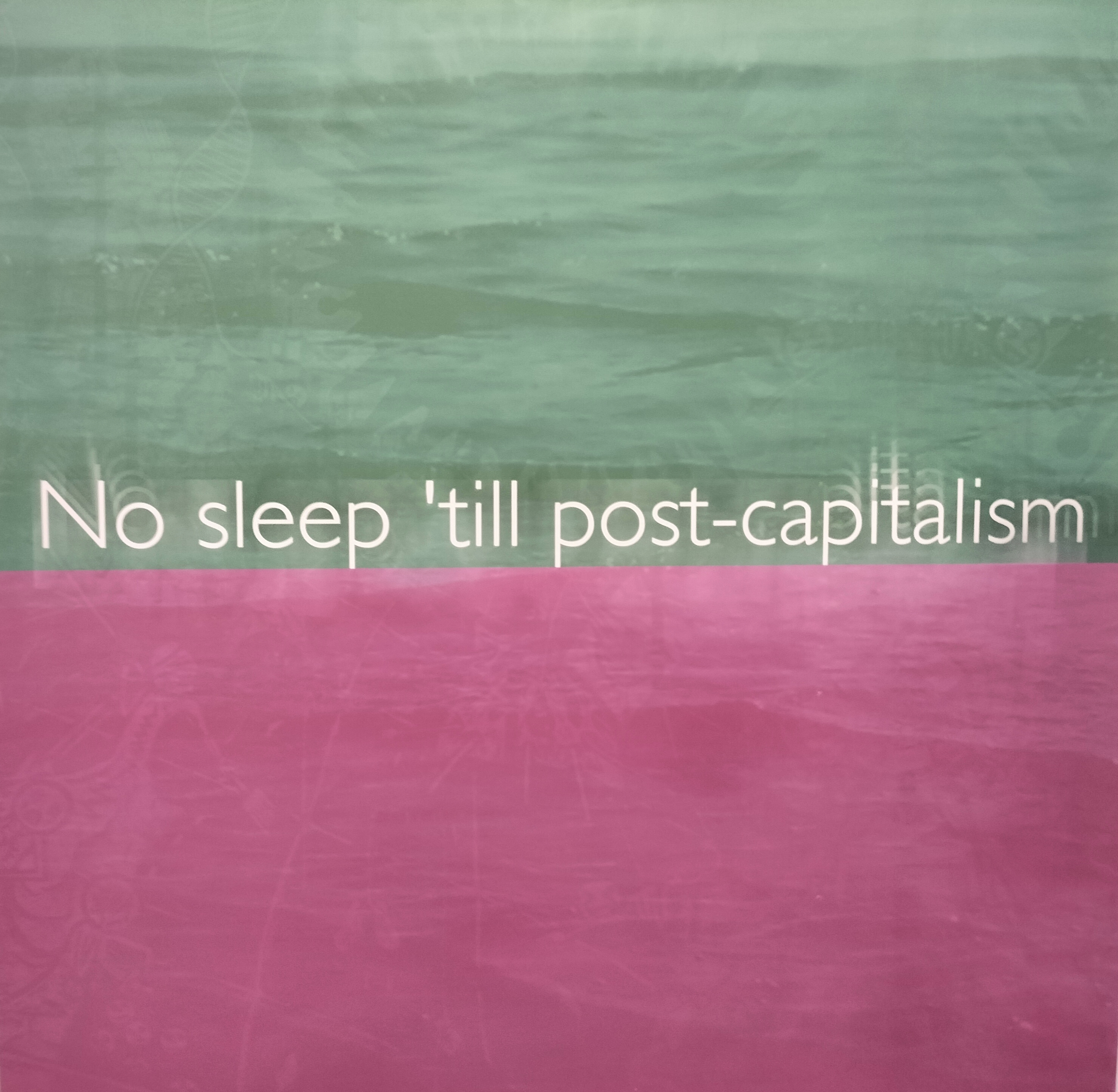
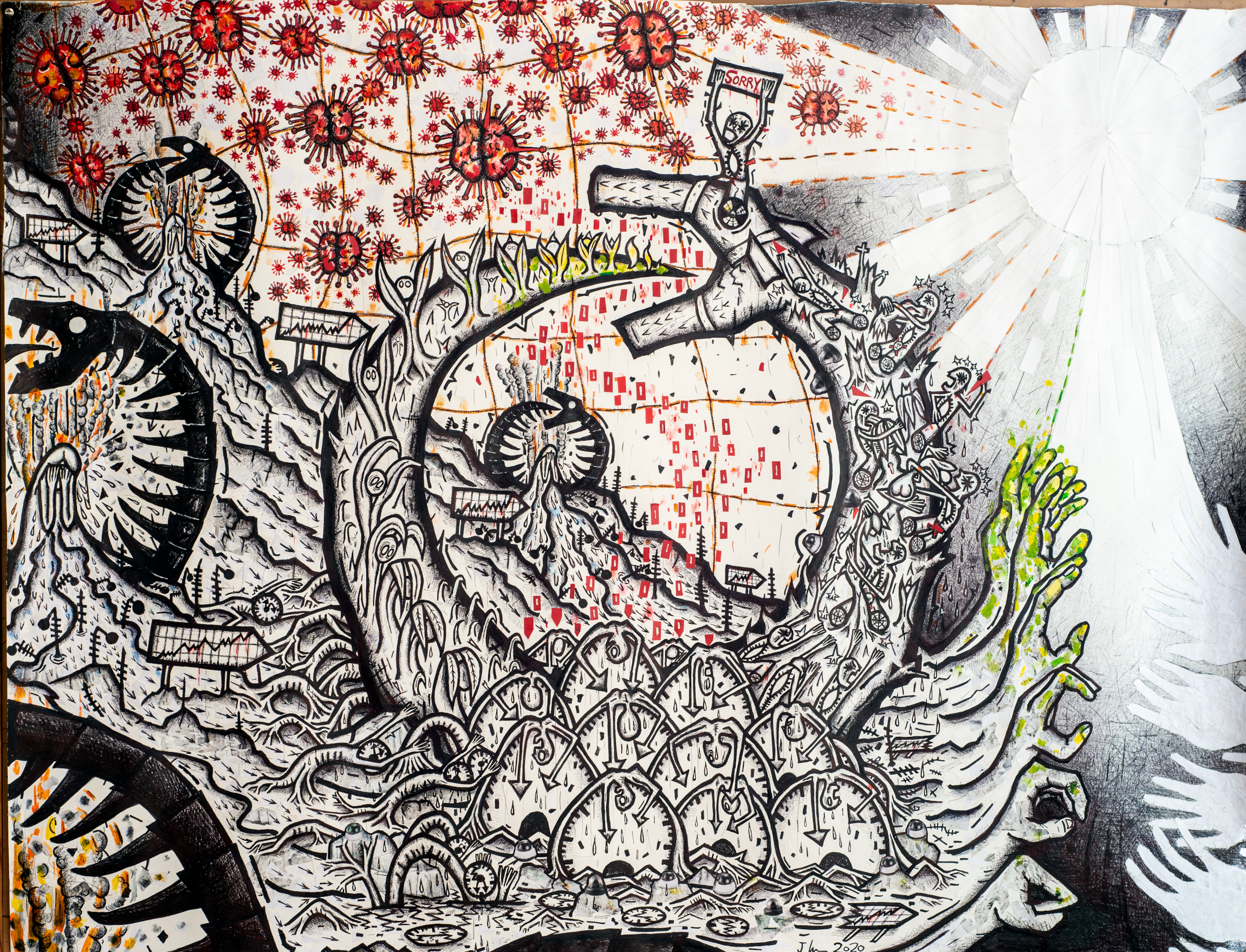
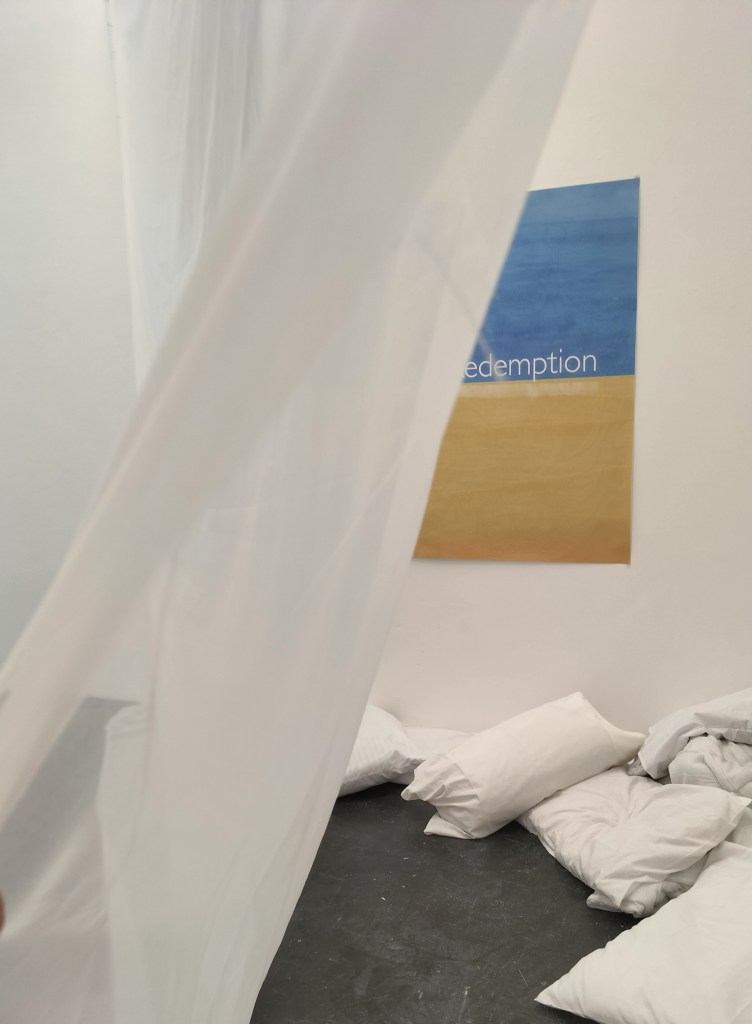
The final drawing in the panopticon ‘A New Spring has sprung’, produced within a wave of relief and optimism at the start of spring 2020, faces the opposite way, looking out. Not blindly optimised, but wagering on the idea that inspite of impulsive self destructivity of the self and on a societal level, there is always a chance things will play out differently, and not destructively.
Thank you if you have read this far, and apologies for the typos – essay writing on a smart phone doesn’t come easy to me.
Finally thank you to everyone who contributed to the exhibition content, mostly anonymously.
A Radical Redemption runs until Saturday 28th May. It is open 12-6.
@Bloc Projects , Eyre Lane, Sheffield
 John B Ledger